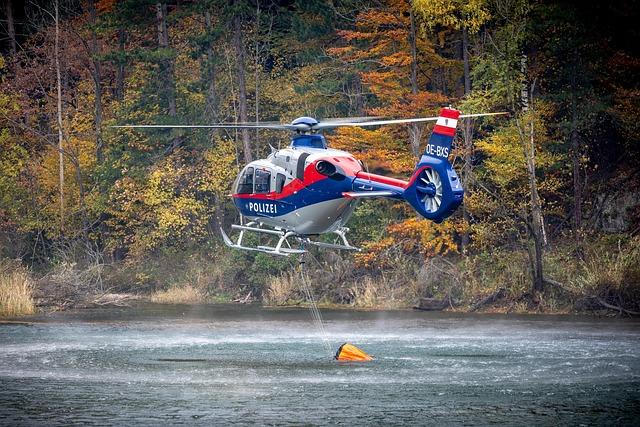
When the call comes in that someone has vanished beneath the surface of the Thames or a car has plunged into a canal, it is often the London Fire Brigade that races to the water’s edge. Better known for battling blazes in tower blocks and terraced streets, the brigade is also on the front line of one of the capital’s most overlooked dangers: water. As Londoners flock to rivers, reservoirs and docks for kayaking, paddle‑boarding and open‑water swimming, firefighters are confronting a surge in incidents linked to the city’s growing appetite for water sports.Behind every rescue is a specialist operation – and a stark reminder that recreation on London’s waterways can turn deadly in seconds.
Understanding the hidden dangers of water sports on Londons rivers and canals
From paddleboards weaving past narrowboats to kayaks slipping under historic bridges, the city’s waterways can look deceptively calm. Beneath the surface,though,lurk hazards that even strong swimmers underestimate. Sudden cold-water shock, unpredictable currents from passing boats, submerged debris and rapidly changing tides can quickly turn a leisurely outing into an emergency. Add low visibility, strong eddies near locks and weirs, and the risk of entrapment around moorings or shopping trolleys dumped in the water, and it’s clear that urban rivers and canals demand a very different level of respect than a swimming pool or sheltered lake.
Many of the risks are less obvious, yet just as serious. Water quality varies dramatically along different stretches, with bacteria, chemical pollutants and sharp litter all posing threats to health and safety. Noise, poor lighting and alcohol use along busy towpaths can impair judgement, while narrow channels mean that paddleboarders, rowers and barge traffic frequently enough compete for the same limited space. To stay safer, water users should be alert to the following hidden threats:
- Cold water shock: Even in summer, sudden immersion can affect breathing and muscle control.
- Underwater obstacles: Hidden branches, metal and rubbish can trap or injure.
- Waterborne illness: Contaminated water can cause infections if swallowed or entering cuts.
- Traffic conflicts: Limited manoeuvring space increases collision risks with larger craft.
- Low headroom structures: Bridges and tunnels can create pinch points and hazardous currents.
| Hidden Risk | Where It Happens | Simple Precaution |
|---|---|---|
| Cold water shock | Deep, shaded sections | Wear a buoyancy aid; enter slowly |
| Strong currents | Near locks and weirs | Avoid restricted zones and warning signs |
| Submerged debris | Busy urban stretches | Stick to known, supervised launch points |
| Polluted water | After heavy rainfall | Avoid swimming; wash hands and kit |
How London Fire Brigade specialist crews respond to water related emergencies
When an emergency call comes in from a riverbank, canal towpath or lakeside, specialist teams are mobilised in minutes from strategically located stations across London. Crews arrive with dedicated rescue boats, inflatable walkways and medical equipment, working to a clearly drilled sequence: assess, stabilise, recover. A dynamic risk assessment is made from the shoreline first – reading currents, access points and hazards such as moored vessels or submerged objects – before any firefighter enters the water. Coordination is tight: one crew leads on in-water rescue, another controls cordons and communications with police and ambulance, while a dedicated officer liaises with bystanders and witnesses to piece together exactly who is missing and where they were last seen.
- Swift-water technicians trained for fast, cold and contaminated flows
- Boat operators skilled in low-visibility navigation and close-quarter manoeuvres
- Water incident commanders directing multi-agency responses from the shoreline
- Rescue swimmers entering the water only as a last, controlled resort
| Specialist Kit | Primary Role |
|---|---|
| Throw lines | Reach casualties from safe ground |
| Inflatable rafts | Stabilise and retrieve multiple people |
| Thermal imaging | Locate individuals in low light or poor visibility |
| Dry suits & PFDs | Protect crews in deep and fast-moving water |
Every action is logged, timed and challenged in real time, with officers constantly weighing the survivability of anyone in the water against the safety of their own firefighters. The operation doesn’t stop when someone is brought ashore: crews continue with urgent medical care, hand over detailed data to paramedics and police, and secure the scene to preserve evidence. After the incident, data from each rescue is analysed to refine tactics, improve training and update public safety messaging – a feedback loop that shapes how London’s waterways are policed, enjoyed and, when things go wrong, made survivable.
Safety recommendations for paddleboarders kayakers and open water swimmers in the capital
Whether you’re gliding past riverside landmarks on a paddleboard, cutting through the water in a kayak or training for your next open-water event, staying safe starts long before you hit the Thames. Check weather and tide forecasts,and avoid strong currents,poor visibility and high winds that can push you off course or into danger zones. Always tell someone your route and expected return time, and carry a fully charged, waterproofed mobile phone or VHF radio so you can call for help if needed. Choose bright clothing, fit a whistle to your buoyancy aid and use lights or reflective gear in low light so rescue crews and other river users can see you quickly.
Equipment and planning make the crucial difference when something goes wrong on the water. Wear a properly fitted buoyancy aid or lifejacket and,for paddleboarding,a suitable swift-release leash attached to a waist or thigh belt rather than your ankle in flowing water,to avoid getting trapped. Stay clear of weirs, bridges, moorings and commercial shipping lanes, and never mix alcohol or drugs with water sports. If you fall in, try to float on your back, control your breathing and signal for help rather of swimming hard against the current. Joining a local, accredited club or coached session can also improve your skills and awareness of London’s unique river risks.
- Check conditions: tides, weather, river flow and visibility before setting out.
- Wear the right gear: buoyancy aid, thermal layers, quick-release leash and suitable footwear.
- Stay visible: use bright colours, reflective strips and lights at dawn, dusk or night.
- Keep clear of hazards: avoid weirs, fast-flowing sections and areas used by large vessels.
- Know how to call for help: dial 999 and ask for the Coastguard or Fire Brigade for river incidents.
| Activity | Essential Safety Item | Capital-Specific Tip |
|---|---|---|
| Paddleboarding | Quick-release waist leash | Avoid strong tidal stretches near central London |
| Kayaking | Spray deck & buoyancy aid | Stay well clear of piers and commercial ferries |
| Open-water swimming | Tow float & bright swim cap | Use only lifeguarded, designated swim zones |
Community education campaigns aiming to prevent drownings and cold water shock
Across London, local crews are stepping out of the fire engine and into parks, schools and riverside venues to talk frankly about the hidden risks beneath the surface. These sessions use real incident footage, survivor testimonies and interactive demonstrations to show how quickly enjoyable days on the Thames, canals or lakes can turn critical. Firefighters and community partners focus on cold water shock, explaining why even strong swimmers can lose control in seconds, and why alcohol, hot weather and social pressure so often sit behind a tragic 999 call. Pop-up stalls at festivals, marinas and paddleboard rental spots share simple, life-saving choices: stay near entry and exit points, wear a buoyancy aid, keep phones dry and charged, and never swim alone or after drinking.
Education campaigns also rely on repetition and visibility, so key messages are embedded in local life, not just delivered once at an assembly. Social media clips, waterside signage and youth outreach projects all carry the same clear advice: float to live, call for help early and respect changing river conditions.Community groups are encouraged to host water safety days with tailored briefings for kayakers, open-water swimmers and families. These events often combine short talks with practical resources:
- Visual guides showing cold water shock symptoms and what to do first.
- QR codes linking to local safe swimming spots and emergency contact points.
- Practice drills for calling 999 and describing locations on rivers and reservoirs.
| Audience | Key Message |
|---|---|
| Teenagers | Cold water shock kills fast – float, don’t fight. |
| Paddleboarders | Wear a leash and buoyancy aid every time. |
| Families | Supervise near water and agree meeting points. |
| Night-time crowds | Avoid edges, alcohol and river shortcuts. |
Closing Remarks
As climate patterns shift and extreme weather events become more frequent, the London Fire Brigade’s relationship with water is no longer confined to conventional riverside rescues or the occasional flood. It sits at the intersection of public safety, urban planning and environmental change.
Water sports enthusiasts may see only the thrill of the Thames or the city’s growing network of waterways, but for firefighters, every kayak, paddleboard and pleasure craft is a potential incident in the making. Their challenge is to keep pace with a rapidly evolving leisure landscape,where access to water is easier than ever and the margin for error can be brutally thin.
In this habitat, prevention is as vital as response.From targeted safety campaigns and partnerships with sports clubs to specialised training and equipment,the Brigade’s work off the water is increasingly what keeps people safe on it.
London’s rivers and canals are central to its identity and appeal. Ensuring they remain places of enjoyment rather than tragedy will depend, in no small part, on how effectively the capital’s firefighters can continue to adapt-not just to the changing nature of water sports, but to the changing city that surrounds them.