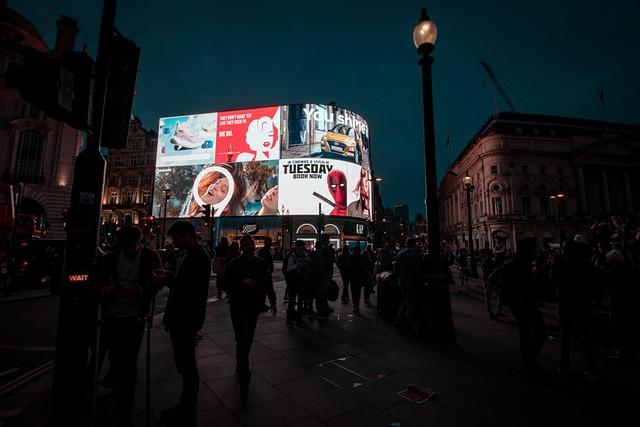
As temperatures rose across the capital this summer, so too did concerns over crime and anti-social behaviour on London’s streets. In response, a targeted seasonal campaign led by Crimestoppers and law enforcement partners has resulted in a marked increase in arrests, shining a spotlight on the power of anonymous public tip-offs in tackling offending. Focusing on hot-spot boroughs and peak problem areas – from street violence and drug dealing to disorder in public spaces – the initiative combined high-visibility policing with a renewed push for residents to share vital information safely and confidentially. The outcome suggests that when communities are given trusted channels to speak up, they can play a decisive role in disrupting criminal networks and restoring confidence in local neighbourhoods.
Rising summer crime trends in London and the communities most affected
As temperatures climb, so too does the volume of calls and information reporting disorder on London’s streets, with patterns revealing a sharp uptick in group-related violence, street robbery and alcohol-fuelled disturbances. Police and partner agencies note a particular surge around transport hubs, late-night economy hotspots and areas hosting pop-up events, where opportunistic offenders exploit crowded, distracted environments. Seasonal shifts also see a rise in youth-related incidents, often linked to school holidays, with disputes that begin online spilling into parks, housing estates and shopping parades. These trends are not evenly spread,clustering instead in neighbourhoods already grappling with limited youth provision,high population density and long-standing issues of deprivation.
- Key seasonal patterns: more evening incidents,especially in warmer weather
- Common offences: theft,robbery,drug dealing,harassment and noise-related nuisance
- High-risk locations: transport interchanges,busy high streets,estates and open spaces
- Primary drivers: school breaks,late-night drinking,large gatherings and social media meet-ups
| Community | Main Impact | Peak Time |
|---|---|---|
| Young people | Street robbery,group violence,grooming for drug supply | After school & early evening |
| Night-time workers | Harassment,assaults near venues and stations | Late night & early hours |
| Residents on estates | Drug dealing,noise,intimidation in shared spaces | Evenings & weekends |
| Local businesses | Shoplifting,vandalism,aggressive behaviour | Late trading hours |
These communities frequently enough bear a double burden: heightened exposure to crime and reduced confidence in reporting,sometimes due to fear of reprisals or previous negative experiences. This is where anonymous reporting services can become a critical safety valve, allowing witnesses and bystanders to share what they know without putting themselves at risk. By mapping seasonal data against community feedback, agencies can better target patrols, youth outreach and environmental changes – such as improved lighting or CCTV – to those postcodes where summer crime and anti-social behaviour concentrate most intensely, helping to break the cycle that sees the same people and places repeatedly harmed.
Inside the Crimestoppers campaign strategy partnerships data and public messages
Working with local councils, transport operators and youth organisations, the initiative was built on a web of targeted partnerships designed to reach people where incidents were most likely to occur. Transport hubs, nightlife districts and busy retail areas received tailored messages co-branded with trusted community voices, from housing associations to colleges and faith groups. This collaborative approach ensured that appeals to report crime anonymously were seen in multiple formats – from geo-targeted social media ads and in-app push notifications, to posters in stairwells and bus shelters – reinforcing a single, consistent call to action at the precise moments people felt unsafe or witnessed anti-social behaviour.
- Partners: local councils, BIDs, TfL-linked networks, youth services
- Channels: outdoor, digital, community radio, in-venue screens
- Focus: violence, criminal damage, drug dealing, harassment
- Core message: speak up, stay anonymous, stop summer crime
| Element | Approach | Impact Snapshot |
|---|---|---|
| Data mapping | Overlaying police hotspots with community intel | Sharper targeting of priority wards |
| Message testing | A/B trials on wording and imagery | Higher click-through on “protect your area” framing |
| Timing | Evening and weekend ad bursts | Spike in reports after peak nightlife hours |
| Feedback loop | Weekly review with enforcement partners | Faster redirects of ads to emerging hotspots |
Indicative campaign effects based on internal monitoring and partner feedback.
How anonymous reporting is changing police response and arrest outcomes
With more Londoners choosing to share what they know through confidential channels, frontline officers are now working with sharper, more targeted intelligence. Anonymous tips are feeding into real-time deployment decisions, enabling police to identify hotspots, link seemingly isolated incidents and plan operations that disrupt repeat offending. This has led to a noticeable shift away from broad, high-visibility patrols towards precision-led interventions that focus on individuals and locations consistently flagged by the public. Crucially, the absence of identifiable complainants means officers can act swiftly on patterns of behaviour, not just on a single loud incident.
Behind the scenes, investigators say the quality of information has improved as people feel safer disclosing details they might otherwise have kept to themselves. This is reflected in:
- Richer descriptions of suspects, vehicles and routines
- More evidence-led arrests grounded in multiple independent reports
- Better safeguarding for vulnerable residents and repeat victims
- Fewer retaliatory incidents as informants remain protected
| Impact area | Before campaign | After surge in anonymous reports |
|---|---|---|
| Use of local intelligence in arrests | Limited, incident-led | Routine, pattern-led |
| Targeting of ASB hotspots | Reactive patrols | Planned operations |
| Community willingness to share details | Cautious, low trust | More open, higher trust |
Practical steps for residents to stay safe and support anti social behaviour prevention
Residents across London can reduce their risk of becoming victims of summer crime by making small but consistent changes to their routines. Simple actions such as varying the times you leave and return home, using timer switches for lights when you’re out, and keeping valuables out of sight in parked cars make it harder for opportunistic offenders to operate. When enjoying parks, festivals or late-night transport, stay with people you trust and keep your phone secured in a zipped bag or inside pocket. If you witness anti-social behaviour, move to a safer location, make a note of what you see, and report it once you’re out of harm’s way.
- Secure your space – lock doors and windows, especially balconies and shared entrances.
- Stay alert in crowds – avoid displaying phones, headphones and jewelry.
- Know your routes – plan well-lit journeys and use licensed cabs or registered ride apps.
- Report anonymously – share information with Crimestoppers if you don’t want to speak to police.
- Support your neighbours – check in with vulnerable residents and share safety updates.
| Situation | What you can do | Who to contact |
|---|---|---|
| Loud, repeated street gatherings | Record times, locations and behaviour | Local council ASB team |
| Threats, fights or weapons | Move away, call emergency services | 999 in an emergency |
| Suspicious drug dealing | Note descriptions and vehicles, don’t intervene | Crimestoppers (100% anonymous) |
| Graffiti, vandalism, damage | Photograph damage if safe and legal | Police non-emergency or council |
Key Takeaways
As the summer months draw to a close, the impact of London’s intensified focus on crime and anti-social behaviour is becoming clear in both the arrest figures and the renewed visibility of community-led reporting. While questions remain about the long-term effectiveness of enforcement-led strategies, the Crimestoppers campaign has demonstrated that anonymous intelligence can play a pivotal role in supporting police operations and disrupting offending.
Ultimately, the campaign’s legacy may hinge less on the headline arrest numbers and more on whether Londoners continue to feel empowered to share information and challenge anti-social behaviour in their own streets, estates and public spaces. If that culture of vigilance and engagement endures beyond this summer, the capital could see lasting benefits in safety, trust and community resilience.