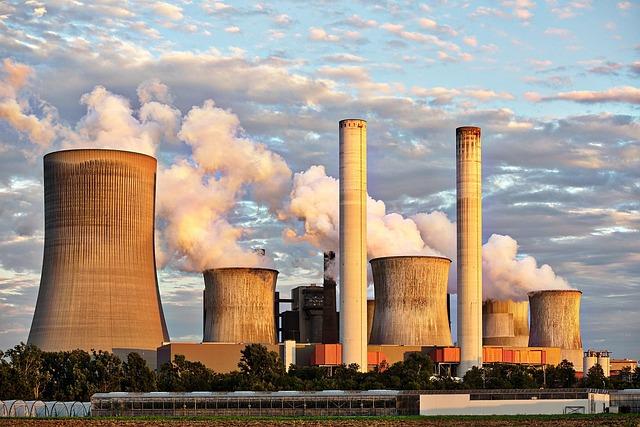
Rising from the south bank of the Thames with its iconic quartet of chimneys, Battersea Power Station is no longer a derelict monument to Britain’s industrial past, but the centrepiece of one of London’s most aspiring regeneration projects. Once a coal‑fired giant that helped power the capital, the Grade II* listed building has been meticulously restored and reimagined as a mixed‑use riverside destination – a new neighbourhood of shops, restaurants, offices, homes and cultural spaces built around a landmark recognised the world over.
“WELCOME TO BATTERSEA POWER STATION” (batterseapowerstation.co.uk) is the digital gateway to this transformed London icon. The site offers a first look inside the vast brick landmark and its surrounding estate, charting its evolution from power plant to public playground.Visitors can explore what’s open, what’s on, and what’s coming next, as the former engine room of the city’s electricity grid powers up again – this time as a hub for leisure, business and community life.
Exploring the Architectural Legacy and Industrial Heritage of Battersea Power Station
Rising above the Thames with its four iconic chimneys, this colossal brick cathedral of industry remains one of London’s most recognisable silhouettes. Designed by Sir Giles Gilbert Scott, its bold Art Deco detailing, monumental turbine halls and intricate brickwork once framed a working power station that illuminated nearly a fifth of the capital.Today, carefully preserved structural elements sit alongside contemporary interventions, creating a dialogue between past and present where original control panels, weathered gantries and steel trusses share space with glass-fronted boutiques and riverside apartments. This layered conversion captures a uniquely British story of post-industrial reinvention, balancing conservation with cutting-edge urban design.
Walking through the redeveloped complex, visitors encounter a curated landscape of memory: exposed brick walls that still bear the patina of coal-fired decades, restored machinery that now forms sculptural centrepieces, and vast turbine halls reimagined as retail boulevards. Key architectural and industrial features include:
- Turbine Hall A & B – grand, cathedral-like spaces now hosting shops, galleries and cultural events.
- Control Room A – a meticulously restored Art Deco nerve center showcasing original dials and switchgear.
- Control Room B – mid-century modern design repurposed as a striking hospitality and event venue.
- Chimneys – faithfully rebuilt to original specifications, now framing new rooftop viewpoints.
- Riverfront – an industrial wharf reimagined as a civic promenade connecting heritage, leisure and transport.
| Feature | Original Role | Current Experience |
|---|---|---|
| Main Boiler House | Power generation core | Retail, dining and public atriums |
| Control Rooms | Monitoring London’s electricity | Exhibition, bar and event spaces |
| Switch House | Electrical distribution hub | Residential and workspace hub |
| Chimneys | Flue stacks for coal exhaust | Heritage icons and viewing points |
Inside the New Riverside Neighbourhood Shopping Dining and Leisure Highlights
On the river’s edge, a new social hub has emerged where industrial heritage meets contemporary London life. Within the restored brick walls and along the pedestrian-amiable streets, visitors can explore a curated mix of flagship fashion houses, independent concept stores and design-led pop-ups. Between the chimneys, architecturally dramatic atriums host seasonal installations, while outdoor terraces spill onto the riverside, creating a seamless flow from shopping to people-watching. Weekly happenings such as gallery openings, live DJ sets and food festivals ensure there’s always a reason to linger long after the bags are full.
The culinary and leisure scene has been shaped to feel both international and local, with riverside views at its heart.From early morning flat whites to late-night cocktails under illuminated brickwork, the destination offers layers of experiences to suit every pace of the day:
- Riverside restaurants serving modern British plates, Asian-inspired sharing menus and Mediterranean classics.
- Artisanal cafés and bakeries roasting on-site and baking small-batch pastries.
- High-concept bars with skyline terraces, experimental mixology and live music.
- Wellness studios and gyms offering yoga, reformer Pilates and riverside runs.
- Cultural venues hosting film screenings, talks, exhibitions and family workshops.
| Experience | Best Time | Vibe |
|---|---|---|
| Rooftop cocktail bar | Sunset | Skyline views & DJ sets |
| Riverside brunch | Weekend mornings | Slow-paced & scenic |
| Design-led retail arcades | Afternoons | Flagships & independents |
| Cinema & culture | Evenings | Immersive & relaxed |
How to Plan Your Visit Practical Tips Transport Links and Time Saving Shortcuts
Make the most of your day by mapping out your journey before you go. Battersea Power Station is exceptionally well connected: the Northern Line (Battersea Power Station station) drops you a short walk from the riverside, while frequent buses and Thames Clippers river boats give you scenic alternatives. For those arriving by car,limited parking is available on-site,but smart visitors often opt for public transport and use ride-hailing only for late-night returns. To keep things smooth, download your digital tickets and restaurant bookings in advance, and consider visiting outside peak weekend hours for a more relaxed experience.
- Arrive early to explore the Turbine Halls before lunchtime crowds.
- Book key attractions (rooftop experiences, exhibitions) ahead of time.
- Use contactless or Oyster to switch quickly between Tube, bus and river boat.
- Check live updates on TfL and river services to dodge delays.
- Plan meal stops between activities to avoid queuing at peak dining times.
| Route | From | Approx. Time | Shortcut Tip |
|---|---|---|---|
| Northern Line | Leicester Square | 15 mins | Travel off-peak after 10:00 for quieter trains. |
| River Boat | London Bridge City | 25 mins | Tap in early and enjoy a crowd-free upper deck. |
| Bus (e.g. 87, 44) | Vauxhall | 10-15 mins | Use live bus times to walk up just as it arrives. |
| Walking | Sloane Square | 20 mins | Follow the river path for step-free, scenic access. |
Community Culture and Events What Locals and Visitors Need to Know
Life around the Power Station runs on a distinctly local rhythm,even as the chimneys draw visitors from around the world. Residents gather in riverside parks before work, dog walkers weave through converted railway arches, and independent makers and restaurateurs greet regulars by name. The neighbourhood thrives on a mix of long-time Battersea families and new arrivals living in the restored turbine halls above the arcades. You’ll notice how everyday routines and global design brands overlap: parents doing the school run past art installations, neighbours using the riverside as their running track, and office workers spilling out into cafés that double as co-working and community hubs.
Throughout the year, a curated program of public events turns the estate into a cultural calendar in miniature. From large-scale art commissions to small neighbourhood meet-ups, activities are designed to feel open and walk-in friendly for both locals and visitors. Expect:
- Seasonal markets showcasing London makers, street food and live music.
- Outdoor cinema and screenings staged in courtyards and on the riverside.
- Family workshops in repurposed industrial spaces, often free or low-cost.
- Fitness sessions on the riverfront, from yoga at sunrise to weekend runs.
- Art trails and design pop-ups celebrating Battersea’s creative heritage.
| Event Type | Typical Time | Who It Suits |
|---|---|---|
| Weekend Market | Sat-Sun, daytime | Food lovers, casual visitors |
| Riverside Fitness | Early mornings | Residents, commuters |
| Family Creative Sessions | School holidays | Parents and children |
| Evening Performances | Thu-Sat, evenings | After-work crowds, tourists |
The Way Forward
As Battersea Power Station completes its long journey from silent landmark to living quarter of the city, it stands as more than a restored icon; it is a test case for how London reimagines its past for the future. The mix of homes, workplaces, culture, retail and public realm gathered around the rebuilt chimneys is already reshaping the riverside and recalibrating the capital’s centre of gravity.
For visitors, the message is simple: this is no longer a monument to a bygone industrial age, but a place to work, live, shop and linger – a new London district with an old London silhouette. For the developers and planners watching closely, Battersea Power Station is a signal of what large-scale regeneration can deliver when heritage is treated as an asset rather than an obstacle.
The doors are now open, the lights are on and the turbine halls are humming once again. How this new neighbourhood grows – and how successfully it weaves itself into the fabric of the city around it – will be watched with interest far beyond the banks of the Thames.