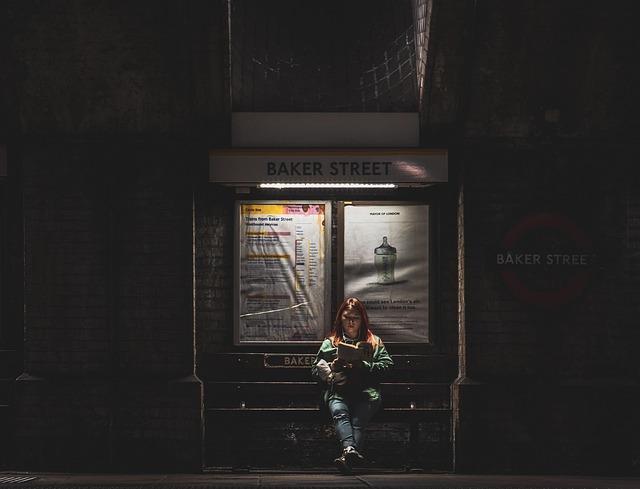
London has struck a powerful new chord on the global stage, officially earning a place among the best cities in the world for music, according to a new Shortlist ranking. Long celebrated for its legendary venues, boundary-pushing artists and thriving grassroots scenes, the UK capital has now seen its status formally recognised in a competitive international field. From historic concert halls and iconic clubs to cutting-edge festivals and diverse neighbourhood sounds, the accolade underlines London’s enduring influence on how the world listens, performs and experiences music today.
How London Earned Its Place Among the Worlds Top Music Cities
From the punk explosions of the 1970s to the rise of grime and UK drill, London has spent decades rewriting the global music rulebook. The city’s legacy is not just about iconic names like David Bowie, Amy Winehouse or Stormzy; it’s about the grassroots scenes that birthed them. In sweaty back rooms above pubs,in repurposed warehouses and pirate radio studios,genres have been tested,broken apart and rebuilt. Today, that restless creativity is backed by serious infrastructure: legendary venues, forward-thinking labels and world-class education hubs create a pipeline where bedroom producers and conservatoire-trained musicians share the same ecosystem, often on the same bill.
What sets the capital apart is the density and diversity of experiences on offer in a single night. You can move from a jazz jam in Soho to a South London sound-system rave and finish at a sunrise techno set in the East, all without leaving the Underground network. This layered ecosystem is powered by:
- Historic venues that double as cultural landmarks, from theater-sized rooms to intimate basements.
- Genre-crossing festivals that treat the city itself as a stage, filling parks, streets and warehouses.
- Multicultural neighbourhoods where global sounds collide and new subcultures form.
- Industry hubs-labels, media and tech startups-that amplify local scenes worldwide.
| London Music Pillar | Signature Example |
|---|---|
| Iconic Venue | Royal Albert Hall |
| Underground Club | Fabric |
| Breakthrough Genre | Grime |
| Street-Level Culture | Carnival Sound Systems |
Inside Londons Thriving Live Music Scene From Iconic Venues to Grassroots Stages
From the moment the doors open at The O2 or Wembley Arena,you feel the scale of London’s musical machine: precision stagecraft,global headliners,and crowds that know every lyric. Yet the city’s real magic lies in the way these blockbuster nights coexist with low-lit rooms like The Windmill in Brixton, The Lexington in Islington or Servant Jazz Quarters in Dalston, where emerging acts still test-drive songs for the first time. On any given night,you can move from a sold-out pop spectacle on the Greenwich Peninsula to a grime showcase in Tottenham or a late-running jazz improv set in Soho,without ever leaving the Tube map. It’s a layered ecosystem that feeds itself, with major venues scouting talent from the same pub backrooms where indie labels, producers and managers are quietly taking notes.
What keeps this ecosystem resilient is a dense web of grassroots stages, independent promoters and hyper-local scenes that shape the sound of tomorrow’s headliners. London’s smaller rooms act as laboratories, where genres collide and hybrid styles emerge. You’re as likely to find:
- DIY punk in a basement venue beneath a railway arch
- Afrobeats block parties spilling out onto South London streets
- Nu-jazz collectives reshaping the city’s long-running jazz tradition
- Open-mic hip-hop nights nurturing the next wave of MCs
- Experimental electronic showcases in repurposed industrial spaces
| Area | Vibe | Typical Night |
|---|---|---|
| Camden | Guitar-led, legacy rock | Touring bands in sweaty clubs |
| Dalston | Leftfield, genre-fluid | Jazz, electronic and experimental bills |
| Brixton | Bass-heavy, global sounds | Afrobeats, dancehall and late-night DJ sets |
| Soho | Classic, intimate | Small jazz rooms and songwriter showcases |
The Neighbourhoods Shaping Londons Sound Where to Go for Every Genre
From sweatbox basements to velvet-draped concert halls, the capital’s map reads like a playlist. In east London, Dalston and Hackney champion boundary-pushing electronic, alt-jazz and DIY punk, while nearby Stratford leans into blockbuster pop and R&B at its arena-scale venues.Head south across the river and you land in Brixton, where the pulse is dancehall, Afrobeats and bass-heavy club culture, spilling from late-night venues and street-level sound systems. West London still hums with the legacy of punk and ska in Notting Hill and Ladbroke Grove, where historic pubs sit beside new-wave venues nurturing indie upstarts.
- Soho & Camden – classic rock dens, jazz basements, indie dives
- Dalston & Hackney – experimental electronica, leftfield hip-hop, nu-jazz
- Brixton & Peckham – soundsystem culture, global club sounds, neo-soul
- Southbank & Westminster – orchestral concerts, film scores, contemporary classical
| Area | Signature Genre | Best For |
|---|---|---|
| Camden | Indie & Rock | Intimate gigs |
| Soho | Jazz & Blues | Late-night sets |
| Peckham | Underground Club | After-hours scenes |
| Southbank | Classical | Big-stage performances |
Practical Tips for Music Lovers Planning a Trip to London
For visitors building an itinerary around gigs and record bins, timing and geography matter as much as taste. Weeknights often host the most exciting emerging acts, so scan listings for venues like The Lexington, MOTH Club or Windmill Brixton rather than only chasing stadium shows. Booking a contactless-capable travel card (Oyster or bank card) lets you move quickly between neighbourhoods, while staying in areas such as Camden, Dalston or Brixton keeps you close to late-night buses and after-hours venues.When possible, buy tickets directly from venues or trusted outlets to dodge inflated resale prices, and always check age restrictions and curfew times-many boroughs enforce strict closing hours even for headline sets.
Beyond the big nights, weave the city’s musical heritage into your days. Drop into independent shops like Rough Trade East, Sister Ray or Phonica Records, where staff picks can double as a crash course in London’s underground scenes, and pair them with nearby pubs that regularly host live jazz, grime or folk sessions. To maximise your time (and budget), group stops by area and mix free or low-cost experiences-buskers on the South Bank, church lunchtime recitals, museum sound exhibitions-into your schedule. A simple planning grid like the one below can definitely help keep travel tight and your ears open.
| Area | Daytime Stop | Evening Venue |
|---|---|---|
| Soho | Record browsing on Berwick St | Indie gig at The 100 Club |
| Camden | Canal walk with street buskers | Rock show at Electric Ballroom |
| Dalston | Coffee and vinyl at local shops | Club night at EartH or The Shacklewell Arms |
In Conclusion
As global rankings continue to reaffirm what locals and touring artists have long known,London’s status as a musical powerhouse looks firmly entrenched.From its grassroots venues and genre-defining clubs to its orchestras, studios and festivals, the capital’s ecosystem is not just surviving in a turbulent era for live performance – it is adapting, innovating and, crucially, still drawing the world’s biggest talent and most adventurous sounds.
Being officially named one of the best cities in the world for music is less a surprise than a reminder: London remains a place where scenes are born,careers are made and the next evolution of popular culture is constantly being written,one gig at a time.