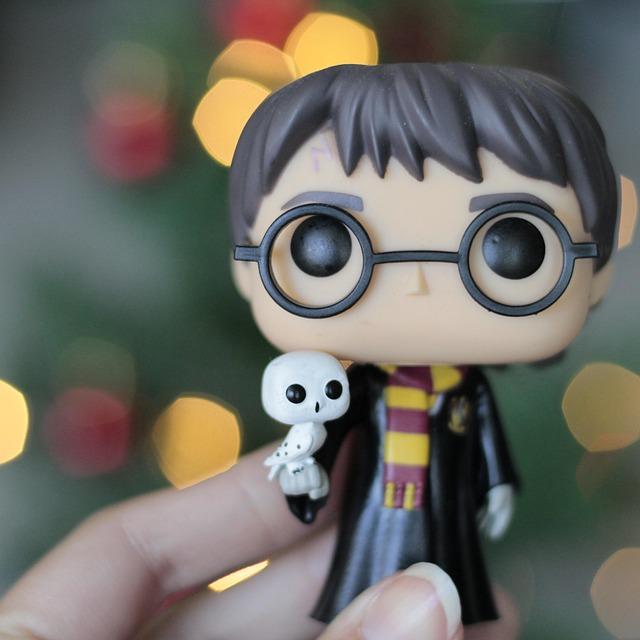
“Harry Potter and the Cursed Child” is set to undergo a major transformation in London’s West End,with producers confirming that the two-part theatrical event will be reimagined as a single,streamlined production. The landmark play, which has captivated audiences at the Palace Theater since its 2016 premiere, will condense its sprawling narrative into one performance in a move aimed at broadening accessibility and reshaping the audience experience.As one of the most triumphant stage titles in recent West End history,any change to its format marks a significant moment for London theatre,prompting fresh questions about how long-running shows evolve to meet shifting audience habits and industry pressures.
Creative and structural changes in the new single part production
The West End incarnation is being distilled from a sprawling two-part saga into a single, high-impact evening, prompting bold rethinks in pacing, staging and character focus. Narrative strands that once unfolded over separate nights now interlock with greater urgency, with key emotional beats landing closer together to sustain dramatic momentum. Directors and designers are leveraging this tighter framework to heighten contrasts in lighting,sound and set transitions,using rapid scene changes and bolder visual motifs to keep audiences oriented while preserving the sense of magical discovery. Meanwhile, the script has been sharpened to foreground core relationships-particularly between Albus and Harry, and Scorpius and Draco-so the emotional arc remains clear without feeling compressed.
- Streamlined timelines to condense multi-evening storytelling into a single cohesive journey.
- Re-edited dialog that clarifies exposition and deepens character within fewer scenes.
- Reimagined transitions blending choreography, illusions and projections for swifter scene shifts.
- Focused character arcs that spotlight the next generation while honouring legacy figures.
| Element | Two-Part Version | Single Show |
|---|---|---|
| Running Time | Two evenings | One extended performance |
| Story Focus | Expanded subplots | Core family conflict |
| Staging | Gradual reveals | Concentrated spectacle |
| Audience Flow | Interval between parts | Continuous immersion |
Impact on ticket pricing audience access and West End scheduling
The shift to a streamlined, single-part production is set to recalibrate the economics of seeing the wizarding saga in London. With only one ticket now required, families and casual theatregoers who were previously priced out of two-evening or marathon-day attendance may find the West End offering more accessible. Producers are expected to rebalance the price ladder, possibly widening the band of mid-range seats while maintaining a premium tier for peak performances and the most sought-after dates. Audience habits are likely to change too, with tourists slotting the show into tighter itineraries and local fans treating a return visit as a more spontaneous, one-night outing rather than a major financial commitment.
- Lower overall spend for those who previously needed two bookings
- More versatility for short-stay visitors and after-work audiences
- Increased availability on high-demand weekends and school holidays
| Format | Typical Time | Audience Benefit |
|---|---|---|
| Former two-part | 2 evenings or 1 full day | Epic experience, higher cost |
| New single show | One evening | Compact, affordable entry point |
For theatre schedulers, condensing the narrative into a single performance unlocks a more agile grid.Weeknight slots become more attractive,turnover between performances can be tightened,and the venue gains latitude to experiment with dynamic pricing around holidays and franchise anniversaries.The West End landscape may also feel the ripple effect: a shorter running time could free up audiences to pair the show with dining or other cultural events, boosting the broader night-time economy. In a marketplace where long-running titles compete fiercely for both time and money, this structural change positions the production to capture new demographics while sustaining the loyalty of its core fan base.
How the streamlined format reshapes the story for returning and first time audiences
The move from two-part epic to single-evening experience doesn’t just trim running time; it subtly rewires how the narrative lands for different theatregoers. Returning audiences, already steeped in the lore, will notice a tighter focus on the emotional spine of the piece-parents and children grappling with legacy-rather than the earlier production’s more leisurely world-building. Key plot beats are expected to arrive closer together, creating a sense of dramatic momentum that may feel less like revisiting a beloved serial and more like watching a high-stakes thriller play out in real time. For many, that means a chance to see familiar scenes reframed, with character motivations and relationships thrown into sharper relief.
For those discovering the story on stage for the first time, the condensed version acts as a gateway rather than a graduation. The pacing is likely to favour clarity and immediacy, foregrounding the emotional arcs that resonate even if you don’t know your Time-Turners from your Thestrals. Producers are positioning the change as a way to welcome a broader crowd,including casual fans and West End tourists who previously hesitated at the commitment of two tickets. That shift is reflected in how the show now balances its elements:
- Storytelling: More streamlined, with fewer narrative detours.
- Spectacle: Signature illusions retained, reordered for impact.
- Character focus: Greater emphasis on the core families.
- Accessibility: One night, one ticket, more flexible planning.
| Audience | What Changes | Why It Matters |
|---|---|---|
| Returning fans | New rhythm, familiar payoffs | Fresh lens on known moments |
| First-timers | Single, self-contained arc | Easier entry into the story |
| Families | Shorter commitment | More practical for younger theatregoers |
Practical tips for booking seats best viewing options and planning your theatre visit
With the production now condensed into a single, spellbinding performance, choosing the right seat becomes even more crucial. The Palace Theatre is steeped in atmosphere, but sightlines and legroom can vary dramatically between sections.For an immersive experience that captures both the intimacy of character moments and the full sweep of the stage magic, aim for stalls mid-rear or front of the dress circle, where the illusions read cleanly and sound carries well. Those on a tighter budget may find upper circle center seats offer surprisingly strong value, with a clear view of the stage pictures and lighting effects, especially in key enchantment sequences.
- Book early when new single-show dates are released – premium central seats disappear first.
- Check seat views using theatre-view websites before committing to restricted-view options.
- Factor in running time and plan meals and travel around a single, extended performance.
- Arrive at least 30-40 minutes before curtain up to navigate bag checks and soak in the auditorium’s details.
- Consider weekday evenings or off-peak matinees for quieter foyers and more relaxed bar queues.
| Area | Best For | Watch Out For |
|---|---|---|
| Centre Stalls | Effects & performances | Higher prices |
| Front Dress Circle | Overall stage picture | Front rail in first row |
| Side Stalls | Closer to the action | Partial sightlines in big set-pieces |
| Upper Circle Centre | Budget-friendly overview | Steeper rake and fewer legroom options |
Insights and Conclusions
As the West End production prepares to embrace this new,streamlined format,Harry Potter and the Cursed Child enters a fresh chapter in its theatrical life. The shift to a single-show structure reflects both changing audience habits and the industry’s ongoing drive for accessibility and sustainability. What remains unchanged is the creative team’s commitment to delivering a technologically ambitious, theatrically inventive continuation of J.K. Rowling’s wizarding world.
For London theatregoers, the move offers a rare chance to experience the sweep of the story in one sitting, while signalling how large-scale productions may evolve to meet contemporary demands. As tickets go on sale for the reimagined run, the West End will soon discover how this revised Cursed Child resonates with a new generation of audiences-and with long-time fans returning to see the magic in a different light.