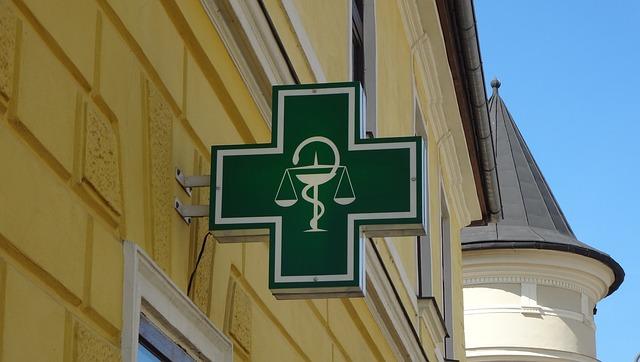
Britain’s high-street pharmacy network is facing a potential collapse, with new figures suggesting that up to two-thirds of pharmacies could be forced to shut their doors in the near future. According to analysis highlighted by London Business News,escalating operating costs,sustained underfunding,and mounting workforce pressures have pushed many community chemists to the brink. The warning raises urgent questions about access to essential medicines, the future of local healthcare provision, and the strain this could place on already overstretched GP surgeries and hospitals. As policymakers weigh financial realities against public health needs, the fate of thousands of pharmacies-and the communities that depend on them-hangs in the balance.
Mounting pressures behind the imminent closure of two thirds of UK pharmacies
The threat hanging over high-street dispensaries is the result of multiple pressures converging at once, eroding already razor-thin margins and pushing many operators beyond breaking point. A decade of below-inflation funding, combined with rising wage bills and energy costs, has left independents and small chains absorbing costs they can no longer pass on. At the same time, medicine supply disruptions mean pharmacies are spending more time sourcing basic drugs, often at prices that exceed the reimbursement they receive from the NHS. Industry leaders warn that without urgent intervention, communities will see a wave of shuttered shutters where once there were familiar counters, consultation rooms and trusted professionals.
Pharmacy owners describe a business model that no longer balances, with front-of-shop sales declining as retail migrates online and core clinical services underpaid or unfunded. They point to a growing list of burdens placing unprecedented strain on local branches:
- Chronic underfunding of core contracts despite expanded clinical responsibilities.
- Rising operating costs, from staff wages to rents and utilities, outpacing income.
- Medicine shortages forcing costly stock management and patient-facing firefighting.
- Workforce pressures, including pharmacist vacancies and burnout after the pandemic.
- Shift to online services diverting prescriptions to distance-selling providers.
| Pressure Point | Impact on a Typical Pharmacy |
|---|---|
| Funding gap | Annual losses despite rising prescription volume |
| Cost inflation | Energy, rent and wages up, margins flat or negative |
| Staff shortages | Reduced opening hours and longer waiting times |
| Supply issues | More time spent sourcing stock, less on patient care |
Impact on patient care local communities and the wider NHS as pharmacies disappear
For many patients, the local chemist is not just a place to pick up prescriptions; it is their most accessible point of contact with the health service. As these doors close, communities are left navigating longer travel times, reduced face-to-face advice and increased pressure on already stretched GP surgeries and A&E departments. Vulnerable groups are disproportionately affected: older people who rely on walking-distance access, parents needing urgent over-the-counter remedies and shift workers who depend on late-opening branches. The result is a subtle but significant erosion of everyday healthcare,where minor ailments go untreated,medication adherence drops and early warning signs of serious conditions are missed.
The knock-on effect for the wider NHS is immediate and measurable. Community pharmacies quietly absorb millions of routine interactions that would otherwise land on the desks of doctors and hospital staff. Without them, the system faces:
- Higher GP appointment demand for minor issues once managed by pharmacists.
- Increased A&E attendances for conditions that could have been treated locally.
- Disrupted medicines supply as patients struggle to access repeat prescriptions.
- Lost prevention opportunities such as blood pressure checks,vaccinations and advice on long-term conditions.
| Service Shift | Where It Moves To | Likely Impact |
|---|---|---|
| Minor ailments advice | GP surgery / NHS 111 | Longer waits, higher costs |
| Emergency contraception | Walk-in centres | Access delays, health risks |
| Repeat prescriptions | GP admin teams | Increased workload, errors |
| Vaccinations | Hospitals / clinics | Lower uptake, capacity strain |
Financial reforms and policy interventions needed to keep community pharmacies open
As medicine prices, energy bills and wage expectations climb, the core funding model for high-street chemists has barely shifted, leaving many outlets dispensing vital prescriptions at a loss.Sector analysts argue that a reset is overdue: a multi-year funding settlement indexed to inflation, reimbursement prices that reflect real-world procurement costs, and targeted relief on business rates for health-critical locations such as deprived urban estates and rural villages. Policy makers are also being urged to unlock new clinical service tariffs-for blood-pressure checks, minor-illness consultations and long-term condition support-so that pharmacies are paid for the frontline care they already provide, rather than surviving on razor-thin margins from prescription volume alone.
- Rebalanced NHS contracts to pay fairly for clinical services.
- Ring-fenced local grants to protect “last pharmacy in town” sites.
- Faster reimbursement to ease cash-flow pressures on independents.
- Business rates relief aligned with pharmacies’ essential health role.
| Intervention | Main Benefit |
|---|---|
| Inflation-linked funding | Stops real-terms cuts |
| Service-based payments | Rewards clinical care |
| Targeted rate relief | Keeps riskier sites open |
| Cash-flow support | Stabilises small operators |
Practical steps pharmacies can take now to adapt diversify services and stay viable
Independent operators can start by conducting a rapid audit of current services and footfall, identifying gaps that align with local health needs-such as long-term condition reviews, travel health, or minor-ailment clinics. From there, investing in clinical consultation spaces, basic telehealth equipment, and staff training in independent prescribing or advanced services can transform a dispensary-first model into a hybrid care hub. Strategic use of click-and-collect, home delivery for vulnerable patients, and targeted social media campaigns can help reclaim ground lost to online competitors and remind patients that the local pharmacy is a frontline access point to the NHS, not just a place to pick up prescriptions.
To stabilise revenue, owners are beginning to build diverse income streams that are less exposed to funding cuts. This includes paid-for health checks, subscription-style medication management, and corporate partnerships for workplace flu or travel vaccination programmes. Small but deliberate operational changes-such as smarter stock management, cross-training team members and digitising repeat prescription processes-can unlock efficiency without eroding patient care. The following snapshot highlights fast wins many high-street pharmacies are implementing now:
- Introduce private services (e.g. weight management, travel health, menopause support) with clear, published pricing.
- Leverage digital tools for online booking,reminders and video consultations to reduce no‑shows and queues.
- Form local alliances with GP practices, care homes and community groups to secure referral pathways.
- Train staff to deliver structured medicines use reviews, smoking cessation and blood pressure checks.
- Optimise retail space for high-margin OTC lines linked to new clinical services.
| Action | Timeframe | Impact Focus |
|---|---|---|
| Launch flu & travel clinics | 4-8 weeks | New cash revenue |
| Set up online booking | 1-2 weeks | Access & efficiency |
| Redesign consultation room | 2-4 weeks | Clinical capacity |
| Negotiate local contracts | 3-6 months | Long-term stability |
Future Outlook
As the sector stands on this precipice, the coming months will be critical in determining whether pharmacies remain a familiar, accessible cornerstone of local healthcare or become another casualty of mounting economic and structural pressures.
With ministers, industry bodies and communities now forced to confront the scale of the crisis, the debate has moved beyond balance sheets and into questions about the kind of health system Britain wants to preserve. Whether policymakers choose to intervene – and how quickly – will decide if the country’s pharmacy network can be stabilised, or if warnings of “imminent closure” become a defining feature of the UK’s post-pandemic healthcare landscape.