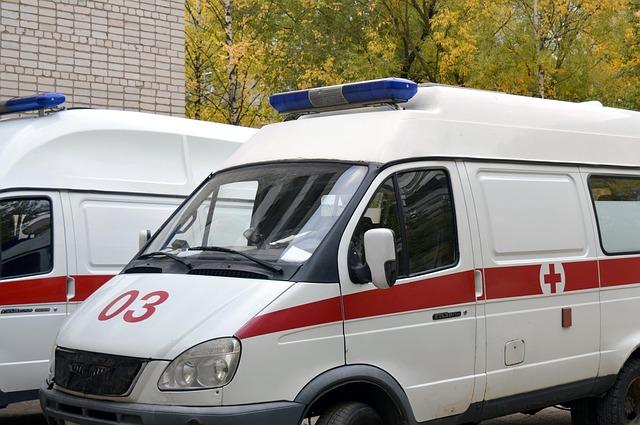
Every day in London, hundreds of 999 calls are made by people who are scared, confused, or unsure what to do next.For the London Ambulance Service NHS Trust, responding to those emergencies is only part of the job.Increasingly, its crews, call handlers and specialist staff are stepping out of ambulances and into classrooms, community halls and youth centres to teach Londoners how to stay safe, spot a crisis early and save a life before help arrives.
From interactive sessions in primary schools that demystify the sight and sound of an ambulance, to targeted workshops with teenagers on knife crime and drug-related harm, the service is quietly reshaping its relationship with the public. Alongside traditional first aid training and CPR demonstrations, paramedics now field questions about mental health, social media risks and what really happens when you dial 999.
These public education and community visit programmes are part of a intentional shift: preventing emergencies where possible, preparing communities to respond when they do occur, and building trust with those least likely to seek help. In a city as diverse and unequal as London, the stakes could hardly be higher. This article looks at how the London Ambulance Service is taking its expertise beyond the back doors of its vehicles and into the heart of the communities it serves.
Engaging schools to build lifesaving skills and trust in emergency services
From early years to sixth form, our teams work alongside teachers to turn classrooms into practical learning hubs where children and young people can explore what happens in a medical emergency. Using age-appropriate scenarios,live demonstrations and interactive Q&A sessions,paramedics and community educators help pupils understand when and how to dial 999,what information call handlers need,and how to stay calm while help is on the way.Sessions often include hands-on practice with CPR manikins,a look inside an ambulance,and simple discussions about mental wellbeing after a frightening event,helping to demystify both medical care and the people who provide it.
By building familiarity with uniforms, equipment and the sound of clinical language, these visits reduce fear and encourage young people to see emergency crews as approachable allies, not just flashing lights. Schools can co-design visits to support PSHE, science or citizenship lessons, and many choose to reinforce learning through follow‑up activities such as:
- Peer‑to‑peer workshops led by trained student ambassadors
- Mini first aid clubs practising safe, supervised lifesaving skills
- Mock emergency drills that mirror real 999 calls and responses
- Family information evenings where pupils share what they’ve learned
| Key stage | Focus | Core skill |
|---|---|---|
| Primary | Recognising danger | Calling 999 safely |
| Lower secondary | Practical first aid | CPR and recovery position |
| Upper secondary | Leadership & advocacy | Supporting bystanders |
Inside a London Ambulance Service community visit how paramedics teach and listen
In the middle of a busy school hall or a local community center, crews arrive not with sirens blaring but with bags of exhibition kit and a calm, methodical presence. Paramedics unpack training defibrillators, child-sized resuscitation manikins and mock emergency equipment, turning everyday spaces into hands-on learning zones.Children gather in small groups to practise pressing a manikin’s chest to the rhythm of a metronome, while parents sit nearby, asking how to recognise a stroke or what to say when dialing 999. The sessions are deliberately informal: people are encouraged to interrupt, to handle the equipment and to share their own stories of illness, fear and relief when help arrived.
Crews treat these visits almost like a two-way clinic. They explain what happens inside an ambulance, who makes decisions on-scene and why some calls are not life-threatening but still urgent. Simultaneously occurring, they listen closely for patterns in residents’ concerns – worries about waiting times, confusion over when to choose 111 rather of 999, or frustration about language barriers. These insights are fed back into local health planning and future education sessions, helping tailor messages around:
- When to call for emergency help and when to seek alternative care
- How to give clear information to call handlers
- What to expect from crews on arrival
- Ways communities can support neighbours before an ambulance reaches them
| Activity | Audience | Key Takeaway |
|---|---|---|
| CPR practice | Older pupils, adults | Confidence in life-saving basics |
| 999 role-play | Primary schools | Clear, calm interaction |
| Equipment demos | Community groups | Demystifying ambulance care |
Reaching underserved neighbourhoods targeted education that closes health inequality gaps
Our outreach teams prioritise estates and school catchment areas where preventable emergencies are highest and access to routine care is lowest. Working alongside local councils,youth workers and faith leaders,we deliver age-appropriate sessions in community centres,pop-up clinics and playgrounds,using interpreters and culturally tailored materials to ensure everyone can take part. Hands-on demonstrations of CPR, recognising stroke symptoms, and using 999 versus 111 empower residents to act early, while myth-busting conversations address fears about calling an ambulance or attending hospital. By tracking which postcodes we visit and listening to what people tell us they need, we adapt content quickly rather than relying on one-size-fits-all leaflets.
To make learning practical and relevant, our clinicians co-design resources with pupils, parents and local organisations, turning data on local health trends into targeted education. This includes:
- After-school workshops for children who are young carers, focused on spotting deterioration at home.
- Drop-in advice stalls at food banks and markets, giving clear guidance on long-term conditions such as asthma and diabetes.
- Street-level safety sessions tackling violence, alcohol harm and drug-related emergencies familiar to local teenagers.
- Multi-language briefings with visual aids, supporting residents who rely less on written English.
| Area focus | Key message | Education format |
|---|---|---|
| High-rise estates | Early 999 calls save lives in cardiac arrest | Lift lobby demos with manikins |
| Primary schools | Simple first aid for everyday injuries | Interactive classroom sessions |
| Community centres | Managing long-term conditions safely at home | Evening Q&A with clinicians |
Turning public education into prevention clear recommendations for schools councils and the NHS
Across the capital, every assembly, parents’ evening and community drop‑in can double as a frontline defense against avoidable 999 calls and preventable harm. To make this happen, schools, councils and NHS partners need to weave clear, consistent safety messages into everyday life – from lesson plans to park signage. That means moving beyond one‑off talks towards a shared curriculum of life‑saving knowledge: knowing when to call an ambulance,how to perform hands‑only CPR,recognising stroke and sepsis,and managing long‑term conditions before they escalate. When these messages are backed by visible leadership and repeated through trusted local voices, prevention stops being an add‑on and becomes part of how London educates, plans and cares.
Putting this into practice requires simple,actionable steps that fit the reality of busy classrooms,council agendas and NHS pressures. The most successful partnerships focus on three principles: make it routine, make it practical, and make it local. In practice, that could mean:
- Schools: Embed short emergency-care modules into PSHE, run annual CPR drills, and invite ambulance clinicians to co-design realistic scenarios.
- Councils: Use libraries, youth clubs and housing offices as hubs for first aid sessions, and align public-health campaigns with ambulance seasonal risk data.
- NHS partners: Share anonymised call trends with schools and boroughs to target education where it will prevent the most incidents.
- Joint actions: Co‑brand materials so families receive the same clear guidance from school gates, GP surgeries and community events.
| Partner | Key Action | Outcome |
|---|---|---|
| Primary & Secondary Schools | Termly emergency-skills sessions | Confident pupils and staff |
| Local Councils | Targeted community safety campaigns | Fewer avoidable 999 calls |
| NHS & LAS | Shared data and co-designed resources | Prevention where risk is highest |
The Way Forward
As London continues to grow and change, the London Ambulance Service’s presence in classrooms, youth centres and community halls is becoming more than an add‑on to its emergency work – it is an essential strand of prevention, education and trust‑building. By demystifying what happens when someone dials 999 and giving people of all ages the confidence to act in a crisis, these school and community visits are quietly reshaping how Londoners see both their own responsibilities and their ambulance service.
The pressures on urgent and emergency care are unlikely to ease any time soon.But with every CPR demonstration, every Q&A with a paramedic and every myth dispelled in front of a whiteboard, the Trust is investing in something that could prove just as vital as the latest piece of lifesaving equipment: a better‑informed public, equipped with the skills and understanding to help themselves and each other.In the long term, that may be the most powerful intervention of all – not only reducing avoidable demand on 999, but anchoring the London Ambulance Service even more firmly at the heart of the communities it serves.