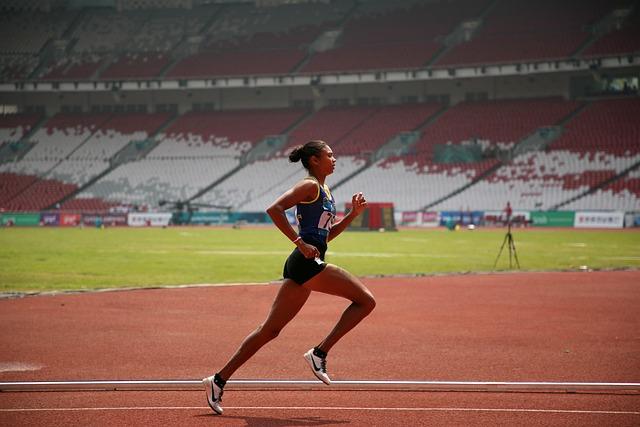
The London Marathon, one of the world’s premier road races, could be on the brink of a dramatic shake-up. Organisers are considering turning the iconic event into a two-day spectacle from 2027,with separate races on Saturday and Sunday,according to a report in The Times. The proposed double-header format would mark the most notable structural change in the marathon’s history, as it seeks to accommodate surging demand from participants and respond to the evolving landscape of mass participation sport.
Logistical overhaul and scheduling shake up how a two day London Marathon could work in practice
The most radical change would unfold behind the scenes, where organisers, transport authorities and broadcasters would need to rewire an operation that has long worked like clockwork over just one day. Staggered race categories could be split more cleanly across the weekend – for example, elites and championship runners on one day, mass participation and charity waves on the other – reducing congestion on the course but doubling demands on staffing, security and medical cover. That in turn would require two full days of road closures, revised bus diversions and tailored rail timetables to handle surges of runners and spectators at different times. Local councils and residents, already accustomed to one Sunday of disruption, would be asked to sign up to a full weekend of rerouted traffic and restricted access.
- Transport: Extended operating hours,extra services on key lines and closer coordination at major hubs like London Bridge and Canary Wharf.
- City services: Expanded cleaning crews, waste collection and portable facilities to cope with two distinct peaks of activity.
- Volunteers & staff: Rotating shifts across both days to avoid burnout and maintain safety standards.
- Broadcast & media: Reworked schedules, additional camera crews and new programming formats to sustain viewer interest.
| Day | Focus | Key Challenge |
|---|---|---|
| Saturday | Charity & mass start | Managing crowd flow all day |
| Sunday | Elite races & fast waves | Keeping the course race-rapid |
In scheduling terms, the rethink would be just as profound. Broadcasters must decide whether to split marquee races across both mornings or cluster the star attractions on one day, perhaps creating a two-part narrative that builds through the weekend. International athletes would gain more predictable start times and possibly better conditions if organisers can chase optimal weather windows,but that versatility is constrained by religious observance,global TV slots and Premier League fixtures. Meanwhile, charities and sponsors would face a fresh calculation: do they spread high-profile ambassadors across two days or concentrate them to create a single, defining moment? The aim, ultimately, would be to transform a single Sunday spectacle into a 48-hour festival of running without diluting the drama that has made the event one of the city’s signature sporting rituals.
Economic windfall or stretched resources assessing the financial impact on London and local communities
Turning the London Marathon into a two-day spectacle could inject millions more into the capital’s economy, but it also risks stretching public services and local patience. Hotels, restaurants and transport operators stand to benefit from extended stays and higher visitor numbers, while sponsors gain an extra day of prime-time visibility. Local businesses in boroughs along the route – from corner cafés to self-reliant retailers – would enjoy a second surge of footfall, especially if organisers promote neighborhood-focused events and pop-up markets.Key beneficiaries are likely to include:
- Small hospitality venues near start and finish lines
- Local transport providers handling early-morning and late-evening flows
- Charities and community groups leveraging extra fundraising opportunities
- Event services such as security, stewarding and logistics firms
| Area | Potential Gain | Main Pressure |
|---|---|---|
| Central London | More tourist spend | Hotel and transport congestion |
| Route Boroughs | Extra trade for local shops | Road closures over two days |
| Public Services | Increased event funding | Higher policing and clean-up costs |
For residents and councils, the balance sheet is more complex. Two days of closures mean longer disruptions for commuters, traders who rely on road traffic, and shift workers facing detours, while demands on policing, medical cover and street cleaning would climb sharply.Local authorities will be watching closely to see whether central funding keeps pace with the expanded footprint, and whether revenue streams – such as licensing, sponsorship deals and visitor taxes – can offset the burden on council budgets. The sustainability of a double-header is highly likely to hinge on how transparently costs and benefits are shared, and on whether communities see concrete returns in the form of improved amenities, grants for local projects and clear communication about how marathon money flows back into their streets.
Runners broadcasters and brands winners and losers in a weekend long marathon format
Stretching the race across two days would redraw the map of who gains and who loses from the capital’s showcase event. For elite and club runners, a split weekend could mean clearer race windows, cleaner pacing strategies and less congestion on the course, but also a tougher logistical and recovery puzzle. Broadcasters, simultaneously occurring, would gain extra inventory but face the challenge of sustaining narrative tension over 48 hours, with producers juggling overlapping storylines, variable weather and potential viewer fatigue.Brands sit in the middle of this delicate equation: more airtime and exposure, but also a risk of dilution if the spectacle feels fragmented rather than singular.
Behind the scenes, stakeholders are already gaming out scenarios:
- Runners: Potential for better seeding, less crowding, yet higher travel and accommodation costs.
- Broadcasters: Additional ad slots and sponsorships, but complex schedules and higher production budgets.
- Brands: Expanded activation windows, countered by the need for fresh creative and doubled staffing.
- City & Services: Longer disruptions to transport and policing, but a bigger tourism window and extended hospitality boom.
| Stakeholder | Biggest Win | Biggest Risk |
|---|---|---|
| Runners | Cleaner, less crowded race | Higher costs, longer commitment |
| Broadcasters | More live hours to sell | Audience fragmentation |
| Brands | Extra touchpoints with fans | Message fatigue |
| Local Economy | Two-day visitor surge | Extended disruption |
From crowd control to course safety expert recommendations to make a double header marathon viable
Staging 50,000-plus runners on consecutive days would force London to rethink everything from start pens to finishing chutes.Safety consultants say the priority is keeping the course “clean” between races: rapid debris sweeps, overnight inspection of road surfaces, and targeted lighting on tricky cambers or tight bends.Transport planners are also warning that a two-day event will strain rail and bus capacity, requiring coordinated timetables and clear wayfinding so that Saturday finishers and Sunday starters never collide. Medical directors, meanwhile, argue for a modular approach to care, with treatment hubs that can be scaled up or down depending on weather, field size and incident trends logged after day one.
To make the experiment workable, experts suggest a framework built around layered risk management rather than simple crowd limits. Key proposals include:
- Dynamic wave starts adjusted in real time using live tracking data.
- Split spectator zones with dedicated family areas and quieter stretches for emergency access.
- Rotating steward teams to prevent fatigue across a 48-hour operational window.
- Shared intelligence cells bringing together police, medics, transport and event control.
| Risk Area | Main Concern | Proposed Fix |
|---|---|---|
| Finish Zone | Overcrowding | Time-limited access & one-way flow |
| Course Surface | Overnight hazards | Drone & bike inspections |
| Medical | Staff fatigue | Shift doubling & standby pool |
| Transport | Peak surges | Staggered starts & station marshals |
Final Thoughts
Whether the London Marathon ultimately stretches into a full weekend spectacle or remains a one-day showcase,the debate now unfolding cuts to the heart of what the event represents: a world-class race,a vital charity fundraising engine,and a defining moment in the city’s cultural calendar.
With stakeholders weighing commercial interests against logistical realities and the runner experience, the coming months will be crucial. By 2027, the capital could be hosting a very different marathon weekend – one that reflects not only the evolving demands of elite sport, but also the expectations of the hundreds of thousands who line the streets and the millions who watch from home.