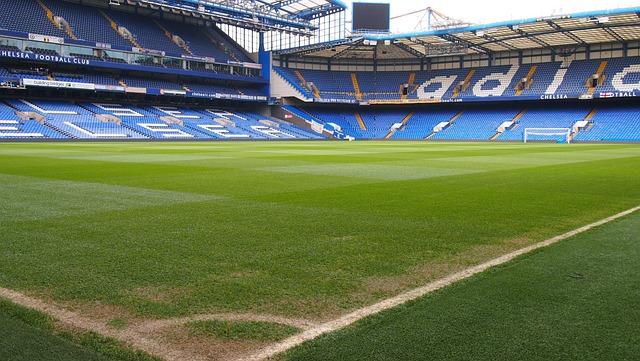
London Stadium has delivered a £230 million injection into the capital’s economy in a single year, underscoring its transformation from an Olympic showpiece into a powerhouse of ongoing economic activity. New figures reveal that the multi-purpose venue in the Queen Elizabeth Olympic Park is now a major driver of jobs, tourism and investment in east London, as major sporting fixtures, concerts and community events attract millions of visitors and considerable spending across the city. As policymakers debate the long-term legacy of the 2012 Games, the stadium’s latest impact assessment offers one of the clearest indications yet that London’s bold bet on regeneration is paying off.
Economic ripple effects across East London and the wider capital
From Stratford‘s reshaped skyline to new hiring patterns in Zone 1, the stadium’s spending power moves far beyond matchday tills. Local supply chains now stretch across the capital, pulling in creative agencies in Soho, catering companies in Bermondsey and tech providers in Shoreditch. This network effect turns each major event into a catalyst for hundreds of smaller transactions, fuelling growth in sectors such as hospitality, transport, media production and event technology. The uplift is particularly visible in areas once overlooked by investors,where new co-working hubs,autonomous retailers and start-up studios now cluster around improved transport links and public realm upgrades linked to the venue’s success.
Analysts note a steady pattern: large-scale events drive higher visitor numbers, which in turn encourage repeat trips, longer stays and greater spend per head across London’s districts. The impact is felt in:
- Visitor spend: Hotels, restaurants and bars from Canary Wharf to the West End benefit from extended weekend stays.
- Jobs and skills: New roles in security, logistics, digital media and venue operations create pathways for local talent.
- Business resilience: Year-round programming reduces seasonal slumps for suppliers and freelancers.
| Area | Key Benefit |
|---|---|
| Stratford & East Village | Increased footfall and retail demand |
| Canary Wharf | Corporate hospitality and business travel |
| Central London | Hotel bookings and cultural tourism |
How event programming and venue utilisation strategies maximise local revenue
By curating a year-round mix of sport, music, culture and community activity, the stadium converts once-occasional footfall into a steady economic engine for East London. Matchdays and headline concerts are now interwoven with business conferences, film shoots and grassroots tournaments, ensuring hospitality, transport and retail benefit far beyond a traditional events calendar. Local businesses gain predictable trade from a consistently activated venue,as visitors stay longer,explore surrounding neighbourhoods and spend across multiple sectors,rather than treating the area as a single-purpose destination.
This intentional programming is supported by data-led utilisation strategies that balance blockbuster fixtures with lower-capacity events to keep the venue operational on more days of the year. Flexible configurations, extended opening hours and coordinated planning with local partners help to distribute spending more evenly and reduce economic “dead zones” between major occasions. Key revenue impacts include:
- Higher year-round occupancy through diverse events and off-peak programming
- Stronger local supply chains as stadium vendors source goods and services nearby
- Increased visitor dwell time driven by pre- and post-event activities
- Job creation and skills growth in hospitality,security,logistics and creative industries
| Activation Type | Typical Visitor Spend | Local Benefit |
|---|---|---|
| Premier football fixture | Food,drink,transport | Boost for pubs,cafés,taxis |
| Summer concert | Hotels,dining,retail | Overnight stays and shopping |
| Business conference | Venue hire,services | Contracts for local suppliers |
| Community event | Light catering,amenities | Access and inclusion for residents |
Strengthening community ties through jobs skills development and grassroots sport
From tailored apprenticeships in event operations to digital media bootcamps in partnership with local colleges,the Stadium has become a training hub where residents gain practical skills alongside real-world experience. Local people are being hired as stewards, technicians, hospitality staff and content creators, with clear pathways from entry-level roles into long-term careers in the sports and entertainment industries. This approach not only boosts household incomes but also anchors talent within East London,ensuring that possibility is not something that arrives from outside and leaves when the final whistle blows.
Simultaneously occurring, a growing calendar of grassroots tournaments, community training sessions and school sports days is turning the venue’s footprint into a shared backyard for neighbouring boroughs. Affordable pitch hire, free coaching clinics and inclusive programmes for young people and over‑50s are helping to nurture healthier lifestyles and stronger social bonds. Local clubs and charities report rising participation, with families returning week after week to volunteer, compete and support one another. The result is a virtuous circle in which jobs, skills and sport reinforce each other, creating a more resilient and connected community.
Policy recommendations to sustain growth and ensure inclusive regeneration
To lock in the stadium’s £230 million economic uplift and spread its benefits across East London, policymakers must double down on strategies that connect local people and businesses to this success story. This means aligning planning, transport and skills policy so that the venue remains a magnet for global events while acting as a daily engine for neighbourhood prosperity. Key priorities include:
- Targeted skills and apprenticeship programmes for local residents in hospitality,events,tech and green jobs.
- Support for SMEs and social enterprises through favourable procurement, incubator space and advisory services.
- Integrated transport and active travel links to improve access from underserved communities.
- Clear community benefit agreements to hardwire local hiring, fair pay and cultural programming into future contracts.
Strategic, long-term policy frameworks can ensure that major event revenues translate into everyday opportunity rather than one-off windfalls. Coordinated action between the Mayor, local authorities, venue operators and education providers will be essential to maintain momentum and protect the regeneration legacy around Queen Elizabeth Olympic Park. Indicative areas for intervention include:
| Policy Area | Action Focus | Expected Outcome |
|---|---|---|
| Skills & Employment | Stadium-linked training hubs | Higher local employment |
| Business Growth | Local supplier pipelines | More resilient SMEs |
| Urban Planning | Mixed-use development | Balanced, vibrant districts |
| Social Inclusion | Affordable ticketing & access | Broader community participation |
By embedding these measures into policy, London can safeguard the stadium’s role as a catalyst for both sustained growth and genuinely inclusive regeneration.
The Conclusion
As the figures make clear,London Stadium has evolved far beyond its origins as an Olympic showpiece. It now stands as a year-round economic engine, drawing visitors, sustaining jobs and channelling millions into local businesses and public services.
With major events continuing to fill the calendar and long-term partnerships firmly in place, the venue’s £230 million contribution to the capital’s economy looks less like a one-off milestone and more like a foundation for further growth. For Newham, for London and for the UK, the stadium’s story is increasingly not just about what happens on the pitch or stage, but about the lasting value generated long after the final whistle or encore.