From the roar of Wembley Stadium on cup final day to the electric buzz of night races along the Thames,London has become one of the world’s premier stages for major sporting events. Few cities can match its blend of historic venues, cutting‑edge arenas and a transport network capable of moving millions of fans.
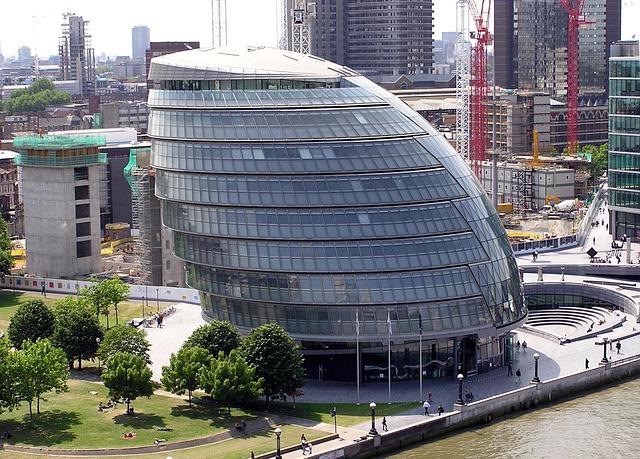
Today,hosting global tournaments and headline fixtures is not just a point of pride for the capital – it is a strategic priority. Backed by London City Hall, the city is leveraging sport to drive tourism, boost the economy, inspire participation and showcase London to international audiences. This article explores how London plans, delivers and capitalises on its biggest sporting occasions, and why the city’s events calendar has become central to its future.
Planning your visit How to secure tickets and navigate London’s biggest fixtures
From Premier League derbies to Grand Slam tennis, the capital’s biggest dates sell out fast and frequently enough months in advance. For high‑demand matches, join official club memberships or tournament mailing lists early, as these are usually the first to receive presale access and ballot details. Always buy through official club websites, governing bodies (such as The FA, Wimbledon, ECB), or authorised ticketing partners listed on event pages. Avoid unverified resellers and social media marketplaces, where fake or cancelled tickets are common. Consider weekday fixtures and earlier rounds of tournaments,which tend to be cheaper and easier to secure. Many events also offer accessible seating and companion tickets,but these must typically be booked directly with the venue’s ticket office.
Once your seat is confirmed, plan how you’ll move through the city. London’s stadiums and arenas are served by multiple Tube, rail and bus options, but services can be crowded and some stations switch to exit-only immediately after major events. Check live travel updates on the day and allow extra time for security checks and bag searches. Pack light, as many venues now operate small-bag policies and cashless systems. To keep things smooth on the ground, keep these essentials in mind:
- Use contactless or Oyster to speed up journeys on public transport.
- Download your e-ticket to your phone wallet before leaving.
- Arrive early to enjoy fan zones, food stalls and pre-match build-up.
- Check the venue’s prohibited items list to avoid delays at security.
- Plan your exit route-sometimes walking one or two stops away saves time.
| Venue | Nearest Key Station | Ticket Tip |
|---|---|---|
| Wembley Stadium | Wembley Park (Jubilee/Metropolitan) | Watch for FA and NFL pre‑sale windows. |
| Emirates Stadium | Arsenal (Piccadilly) | Club membership unlocks better availability. |
| The O2 Arena | North Greenwich (Jubilee) | Check dynamic pricing for off‑peak dates. |
| Wimbledon | Southfields / Wimbledon | Enter the public ballot and consider The Queue. |
Inside the venues What to expect at Wembley Stadium Twickenham and the Olympic Park
From the moment you pass through the turnstiles, each London arena offers its own distinct rhythm. At Wembley, the approach through Olympic Way builds a slow, cinematic reveal: huge digital fascias, live fan zones, and food courts that mix classic pies with global street food.Inside, the bowl is designed for spectacle, with steep tiers that keep even upper-deck seats surprisingly close to the action, and concourses lined with memorabilia, photo points and family-friendly activities. Over at Twickenham, the experience leans into rugby tradition: brass bands, community choirs and post-match singalongs give the day a festival feel, while extensive bar areas and rapid-service stands are geared to serve large crowds in short breaks of play. Both venues are fully cashless, and security checks are fast but thorough, with clear signage and stewards on hand to guide first-time visitors.
By contrast, the Queen Elizabeth Olympic Park is a campus rather than a single venue, so expect a more open, roaming experience. Fans drift between the London Stadium, arenas and fan villages along landscaped paths and canals, stopping at pop-up stages, interactive sponsor zones and big screens.Typical features across the three sites include:
- Enhanced accessibility – step-free routes, dedicated viewing platforms and sensory-friendly spaces.
- Digital-first wayfinding – QR-coded maps, venue apps and real-time transport updates.
- Curated food & drink – local London traders alongside global brands, plus clearly labelled vegan and gluten-free options.
- Immersive fan zones – autograph sessions, skills challenges, VR game experiences and live DJ sets.
| Venue | Signature Sound | Best Pre-Event Spot |
|---|---|---|
| Wembley Stadium | Mass crowd singalongs | Fan park on Olympic Way |
| Twickenham | Rugby anthems & brass bands | West car park fan village |
| Olympic Park | Festival-style live stages | Canalside cafés and pop-ups |
Beyond the final whistle Local businesses fan zones and cultural experiences around major events
As kick-off approaches, neighbourhoods across the capital turn into impromptu stages where sport, food and music collide.Autonomous pubs curate special menus inspired by competing nations, corner cafés install extra screens in their windows, and markets stay open late so fans can spill out into the streets between fixtures. Pop-up fan zones powered by local traders offer craft beer from London microbreweries,street food from Brixton to Brick Lane,and live performances from community choirs and DJs. These spaces are more than overflow viewing areas – they act as temporary village squares where residents and visitors share the same drama, whether they’ve secured stadium tickets or not.
Alongside the match-day buzz, cultural institutions weave major tournaments into their own programming, creating citywide festivals of sport and identity. Galleries and libraries host talks on the social history of football, cricket and athletics; community centres run workshops on everything from commentary skills to banner-making; and theatres experiment with sport-themed performances. Visitors can build their own day around the event:
- Morning: Explore a themed exhibition or local walking tour tracing London’s sporting heritage.
- Afternoon: Join family-friendly skills sessions run by grassroots clubs in nearby parks.
- Evening: Settle into a fan zone or independent venue for live coverage and post-match debate.
| Area | Local Highlight | Match-Day Atmosphere |
|---|---|---|
| Wembley | Family fan village | Live music and youth skills zones |
| Stratford | Canalside food market | Outdoor screens and late-night dining |
| South Bank | Riverside arts venues | Cultural performances before and after games |
Keeping London moving Transport safety and crowd management during peak sporting weekends
On derby days and championship finals, tens of thousands of supporters converge on Underground platforms, train concourses and river piers within minutes of each other. To prevent bottlenecks, Transport for London teams work months in advance with event organisers and local councils to model passenger flows, adjust timetables and deploy extra staff at known pinch points such as Wembley Park, Stratford and London Bridge. Temporary wayfinding signs, queue lanes and controlled station entrances are introduced to keep fans and regular commuters moving safely in opposite directions, while live announcements and push notifications steer people towards less crowded routes. Behind the scenes, London’s traffic control centres monitor road conditions in real time, coordinating diversions for coaches and taxis so emergency vehicles retain clear access at all times.
On the ground, safety is reinforced through visible, practical measures that are scaled up during major fixtures. These include:
- Integrated stewarding with joint deployment of rail staff, police and event marshals across key interchanges.
- Dynamic crowd gates at stations and stadium approaches to meter arrivals and departures.
- Dedicated “family routes” that prioritise step-free access and calmer walking paths away from the busiest exits.
- Enhanced night-time services to stagger departures and reduce post-match surges.
| Hotspot | Peak Window | Key Measure |
|---|---|---|
| Wembley Park Tube | 90 mins pre- & post-kick-off | One-way crowd flows |
| Waterloo Station | Rugby finals evenings | Extra staff and queuing lanes |
| Stratford | Multi-event weekends | Live platform crowd metering |
In Conclusion
As London looks ahead, the city’s commitment to hosting world‑class sport remains central to its identity and its future. From the Olympic legacy venues to emerging community programmes, major events are not only spectacles on the global stage but catalysts for economic growth, urban regeneration and social cohesion.
City Hall’s strategy is clear: to leverage London’s unique blend of heritage, infrastructure and diversity to attract the biggest tournaments while ensuring local residents feel the benefits long after the final whistle. With a packed calendar and an evolving vision for inclusive, lasting sport, London is not just a backdrop for major events – it is indeed an active player in shaping what global sport can and should look like in the years to come.