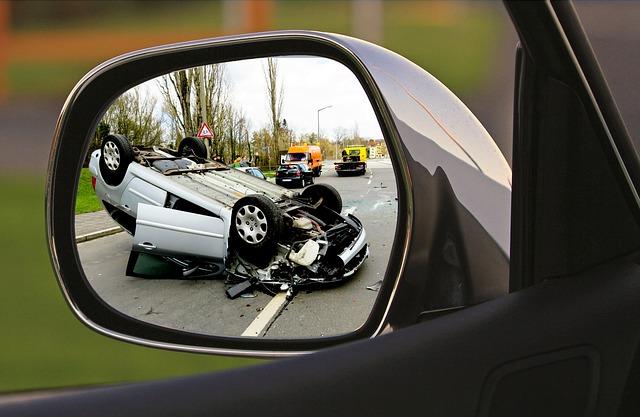
A dramatic collision between a teenage moped rider and a Metropolitan Police vehicle during a crackdown on illegal riders has reignited debate over police tactics on London’s streets. Footage of the incident, involving a 19-year-old who was rammed off his scooter, has circulated widely online, prompting questions about the balance between robust enforcement and public safety. As the Met steps up operations targeting unlicensed, uninsured and antisocial riding, campaigners, legal experts and community voices are now scrutinising whether the methods used are proportionate – and what this means for trust in policing across the capital.
Met Police tactic under scrutiny after teenager on moped is rammed during illegal riders crackdown
Witness footage of the incident shows the 19-year-old being knocked from his scooter as officers from Scotland Yard’s specialist traffic unit move in during a wider offensive on suspected uninsured and unlicensed riders. The collision, captured from multiple angles and quickly circulated on social media, has reignited debate over how far officers should go when dealing with fast-moving suspects in densely populated urban areas. Civil liberties groups and road safety campaigners are questioning whether the manoeuvre was proportionate,while police sources insist the operation was planned,intelligence-led and aimed at tackling a surge in antisocial riding and related crime.
The force’s pursuit policy is now being pored over, with particular attention on how risk assessments are carried out in real time and communicated between control rooms and officers on the ground. Senior commanders are expected to weigh up operational necessity against public perception and legal exposure, especially in light of historic controversies involving similar tactics. Key points under review include:
- Risk to bystanders in busy high streets and residential zones
- Age and vulnerability of suspects involved in pursuits
- Clarity of guidelines given to specialist drivers and riders
- Use of body-worn video to verify decision-making
| Aspect | Police Rationale | Critics’ Concern |
|---|---|---|
| Public safety | Stop hazardous riders quickly | Risk of serious injury on impact |
| Deterrence | Send strong message to offenders | May escalate chases and panic |
| Accountability | Internal reviews of pursuits | Calls for independent scrutiny |
Legal framework and operational guidelines governing police contact with fleeing riders
Behind every collision between police vehicles and suspected offenders lies a dense network of legislation, case law and internal policy that dictates what officers may do in the heat of a pursuit. In the UK, the use of force by police is framed by the Police and Criminal Evidence Act 1984, the Human Rights Act 1998 and common‑law powers to prevent crime and protect life. These are overlaid with the Met’s own pursuit policies, which stress necessity, proportionality and accountability when deciding whether to make intentional contact with a fleeing rider. Crucially, specialist driving authorisations, real-time risk assessments and command oversight are expected at every stage, with officers required to constantly balance public safety against the immediate danger posed by allowing a suspect to escape.
Operationally, this translates into tightly defined rules on when – and how – contact is allowed, especially where vulnerable road users such as teenagers on mopeds are involved. Dynamic threat evaluations, the rider’s behavior, traffic density and the likelihood of serious injury all feed into whether a pursuit is continued, modified or aborted. Guidance also sets out detailed post-incident procedures, including mandatory referrals to watchdogs such as the Independent Office for Police Conduct, as well as internal reviews designed to test compliance with policy rather than simply the outcome of the chase.
- Key legal tests: necessity, proportionality, legality
- Primary duty: protection of life and public safety
- Oversight bodies: IOPC, internal professional standards units
- Documentation: pursuit logs, body-worn video, control-room recordings
| Stage | Officer Actions | Expected Safeguards |
|---|---|---|
| Pre-pursuit | Assess offense, road and weather conditions | Confirm driver authority; notify control |
| During pursuit | Update risks, adjust tactics or disengage | Real-time supervision; radio oversight |
| Use of contact | Consider tactical contact only as last resort | Justify necessity and proportionality |
| After incident | Preserve scene, secure evidence, file reports | Automatic referral and independent scrutiny |
Impact on community trust and perceptions of policing in high risk traffic enforcement
Images of a teenager being knocked from his moped by a police car land in a media landscape already primed with concerns about stop-and-search, racial disproportionality and the use of force. For some Londoners, such footage feels like confirmation of a long-held suspicion: that aggressive tactics are being normalised in the name of “high-risk” enforcement. That perception can deepen existing divides, particularly in neighbourhoods where young riders say they already feel targeted for how they look, what they wear or the kind of bike they ride. At the same time, many residents living with nightly nuisance riding and dangerous street races see the same footage as overdue proof that officers are finally taking their complaints seriously, even if the methods appear confrontational.
This split feeds into a broader debate about what “safety” looks like on the roads. Community trust is rarely shaped by a single incident but by a pattern of encounters and the transparency that follows them. When watchdogs investigate, body-worn video is released and senior officers publicly justify or criticise tactics, it can either rebuild credibility or reinforce distrust.In practice, local perceptions tend to hinge on a few key factors:
- Clarity of rules: whether riders and residents actually understand when and why high-risk tactics may be used.
- Visible accountability: how quickly the force explains what happened and what standards applied.
- Consistency: if similar behaviour is policed in the same way across different postcodes and demographics.
- Community voice: whether those most affected have a say in shaping future enforcement operations.
| Group | Typical Reaction | Trust Trend |
|---|---|---|
| Local residents | Support tougher action on dangerous riders | Rises if they feel listened to |
| Young riders | Fear being unfairly targeted or injured | Falls when tactics look excessive |
| Wider public | Divided over force versus rights | Volatile, shaped by media coverage |
Policy recommendations for safer pursuit practices oversight and accountability
Reform needs to move beyond individual incidents and towards a system where every high-risk chase is logged, reviewed and, when necessary, challenged. Independent bodies should have automatic access to dashcam and body-worn video, radio transcripts and decision logs within hours of a collision, not weeks. A clear, public-facing protocol setting out when pursuits should be authorised – and when they must be abandoned – would help strip away the ambiguity that so frequently enough follows controversial operations. Alongside this,mandatory training updates,scenario-based simulations and trauma-informed briefings for officers dealing with young and vulnerable riders can reduce the likelihood of impulsive decisions that turn a minor traffic offence into a life-changing event.
True accountability also demands that communities are not just informed, but involved.Regular publication of pursuit data, broken down by age, ethnicity and outcome, would allow Londoners to judge whether the tactics used in their streets are proportionate and fair. Civil society groups, youth workers and road safety campaigners should be invited into structured forums with senior officers to scrutinise trends and suggest alternatives to high-speed intervention. To make that oversight meaningful, sanctions for policy breaches, clear thresholds for suspension, and compensation pathways for wrongly injured riders must be codified and easy to navigate.
- Automatic incident reviews after every collision or near-miss
- Clear pursuit criteria published and regularly updated
- Specialist training on youth risk and road safety
- Community scrutiny panels with access to anonymised data
- Enforceable consequences for breaches of pursuit policy
| Measure | Who Leads? | Public Benefit |
|---|---|---|
| Real-time pursuit logging | Met command | Faster, evidence-based reviews |
| Quarterly data reports | Mayor’s office | Greater transparency |
| Independent video audits | Oversight body | Reduced impunity |
| Youth advisory panels | Community teams | Policies rooted in lived experience |
In Retrospect
As the Metropolitan Police intensifies efforts to curb dangerous and illegal riding on London’s streets, the collision involving the 19-year-old moped rider underscores the fraught balance between robust enforcement and public safety. With questions mounting over the tactics used and the risks to both suspects and officers, the incident is likely to fuel further debate over how far police should go in pursuit of offenders on two wheels.
For now, the teenager’s case stands as a stark example of the high-stakes confrontations playing out on the capital’s roads – and of the pressing need for clear rules, transparent oversight and a policing strategy that protects the public without putting more lives in jeopardy.