Students at Saunders Secondary School who were involved in a widely publicized brawl are now absent from classes and facing potential disciplinary measures, school officials say. The incident, captured on video and circulated on social media, has raised fresh concerns about student safety, supervision, and the role of online platforms in escalating schoolyard conflicts. As the Thames Valley District school board reviews what happened and how it was handled, parents and community members are demanding answers about the factors that led to the confrontation-and what steps will be taken to prevent a repeat.
Unpacking the Saunders brawl incident and its impact on school climate
The hallway confrontation at Saunders did more than disrupt a single school day; it exposed the fragile balance between student safety, discipline, and trust in school leadership. Witness videos circulating on social media amplified the incident far beyond the building’s walls, shaping public perception before official statements could catch up. In the aftermath, key questions emerged around how quickly staff intervened, whether warning signs were missed, and how prepared the school is to de-escalate conflicts before they turn physical. For many families, the absence of the students involved and the promise of disciplinary measures are only part of the story; what truly matters is whether the response will make schools feel safer tomorrow than they did yesterday.
Inside the building, the ripple effects are immediate and complex. Some students report feeling anxious in crowded halls, while others are angered by what they see as heavy-handed discipline. Teachers are left to navigate tense classroom dynamics and conversations about fairness, race, and authority that go well beyond the specific fight. Early reactions suggest several emerging themes:
- Heightened anxiety among students and staff about personal safety.
- Increased scrutiny of school policies on supervision and conflict resolution.
- Polarized reactions to discipline, from calls for zero tolerance to demands for restorative approaches.
- Greater pressure on administrators to communicate transparently and consistently.
| Area of Impact | Short-Term Effect | Long-Term Risk |
|---|---|---|
| Student morale | Heightened tension | Normalizing fear and conflict |
| Trust in staff | Increased skepticism | Erosion of respect and cooperation |
| School reputation | Negative media spotlight | Lasting stigma in community |
| Discipline policy | Fast,visible sanctions | Perception of bias or inconsistency |
How absenteeism and interim measures are reshaping student life after the fight
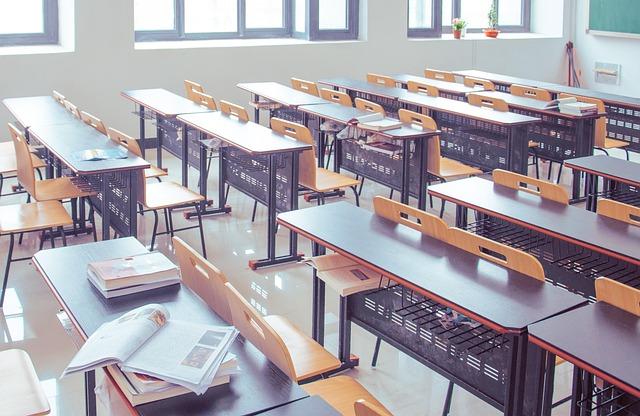
Empty desks and silent hallways have become daily reminders of the fallout from the Saunders altercation. With several students staying home-some by choice,others under suspension-teachers are reworking lesson plans while classmates quietly renegotiate social circles. Informal cliques have shifted as peers distance themselves from the controversy, and extracurricular teams scramble to fill gaps in rosters. In this new atmosphere, the absence of a few is reshaping the routines of many, creating a campus climate where every missed class feels like part of a bigger story.
Interim measures imposed by the school and board have introduced a layered system of oversight that touches nearly every aspect of student life. Alongside formal suspensions, administrators have rolled out temporary restrictions and support plans that aim to stabilize the school day while investigations continue:
- Modified schedules to reduce contact between involved students and peers.
- Supervised transitions during high-traffic times such as lunch and dismissal.
- Limits on extracurricular participation pending disciplinary outcomes.
- Counselling referrals for both directly and indirectly affected students.
| Measure | Immediate Impact |
|---|---|
| Short-term suspensions | Visible gaps in classes, group projects delayed |
| On-site supervision | Increased adult presence in halls and common areas |
| Activity restrictions | Team lineups altered, club events postponed |
| Support services | Higher uptake in guidance and mental health appointments |
What the discipline process looks like for students involved in serious school violence
In cases where conflicts escalate into physical confrontations on school grounds, administrators typically move quickly from fact-finding to formal consequences. The process often begins with an immediate safety assessment, which can include removing students from the premises, notifying families, and deploying additional staff or security. School officials then gather evidence through video review, witness statements, and written reports from staff and students. During this period, students believed to be involved are usually placed on temporary suspension while the scope of the incident is clarified and potential breaches of the school’s code of conduct and provincial legislation are identified.
Once the examination concludes, administrators weigh discipline on a case-by-case basis, frequently enough in consultation with school board officials and, where necessary, police. Outcomes can range from restorative measures to long-term removal from the school surroundings, often combining educational and corrective steps such as:
- Suspensions – short or extended, sometimes pending board review
- Expulsions – from the school or the entire board, in the gravest cases
- Behaviour contracts – written agreements outlining conditions for return
- Counselling and support – mental health services, anger management, or conflict resolution programs
- Option placements – transfer to different schools or specialized programs
| Step | Key Action | Possible Outcome |
|---|---|---|
| 1. Immediate Response | Remove students, secure area | Temporary suspension |
| 2. Investigation | Collect statements,review footage | Formal report |
| 3. Discipline Decision | Apply board policies, consult police | Suspension or expulsion |
| 4. Reintegration | Set conditions, support services | Monitored return or transfer |
Policy changes and community actions needed to prevent future clashes at Saunders
Preventing a repeat of the violence at Saunders demands more than temporary suspensions; it requires a coordinated reset of how conflict, safety, and student voice are handled on campus. Administrators are quietly discussing a tighter code of conduct, with clearer thresholds for escalation and transparent interaction to families when incidents occur. Educators are pressing for mandatory de-escalation and bias training, while school trustees weigh policy changes that would formalize partnerships with community mediators and youth counsellors. At the same time, students are calling for a stronger reporting framework that protects anonymity while ensuring credible threats and simmering tensions don’t go unnoticed. The emerging consensus is that reactive discipline alone is not enough; a preventative, data-informed model must anchor every decision.
On the ground, that translates into concrete commitments: restorative circles after major conflicts, systematic tracking of bullying and social media disputes, and routine forums where students can scrutinize safety measures alongside staff. Community agencies, including youth outreach and mental health services, are being asked to take a seat at the table rather than arrive only in crisis. A multi-layered response is taking shape:
- Revised behavioural policies with clearer consequences and appeal processes
- Regular town-hall style assemblies led jointly by students and staff
- Embedded mental health supports for early intervention
- Restorative justice options in parallel with formal discipline
- Family engagement nights focused on online conduct and conflict
| Focus Area | Policy Shift | Community Role |
|---|---|---|
| Safety | Clearer conduct rules & enforcement | Parents monitor and report concerns |
| Support | More counsellors on campus | Agencies provide on-site services |
| Dialog | Scheduled student-staff forums | Student leaders set agendas |
| Accountability | Public reporting of incident trends | Community reviews and feedback |
Closing Remarks
The fallout from the Saunders brawl now moves from the public eye into the administrative arena, where school officials and the board will determine what consequences the students involved will face. As those decisions unfold behind closed doors, questions around campus safety, student behaviour and the limits of school discipline are likely to persist well beyond this week’s absences.
For parents, educators and students across the city, the incident serves as a stark reminder of how quickly tensions can spill over – and how urgently school communities must address conflict before it erupts into violence. Whether this clash becomes a turning point or just another headline will depend on what lessons are drawn, and what changes, if any, follow in its wake.