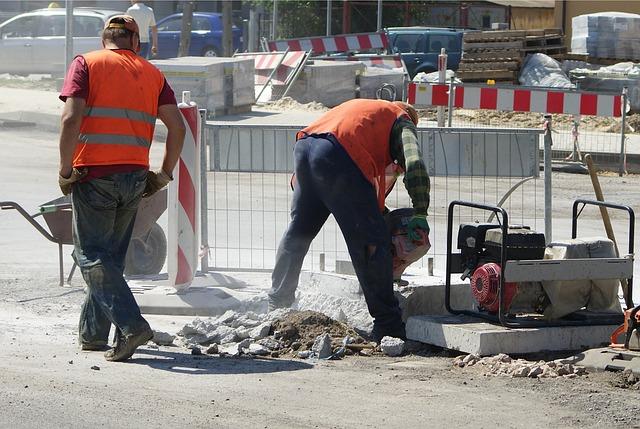
The world‑renowned BRIT School, celebrated for nurturing some of the UK’s leading creative talents, is set to undergo meaningful building repairs after securing new government funding. The investment comes amid mounting concerns over the state of school infrastructure nationwide and growing pressure to support specialist arts education. As part of a wider package announced this week, the money will be used to address longstanding maintenance issues at the Croydon-based institution, ensuring its facilities can meet safety standards and keep pace with the demands of modern performing and creative arts training.
Assessing the scale of disrepair at Brit School and risks to students and staff
The extent of the problems at the performing arts school had become impossible to ignore, with surveys revealing a patchwork of failing infrastructure that went far beyond cosmetic decay. Years of underinvestment left staff juggling teaching schedules around leaking roofs, malfunctioning heating systems and ageing electrics that struggled to cope with modern tech demands. A recent structural review highlighted key areas of concern, including:
- Water damage in rehearsal studios and corridors, triggering mould growth and damp conditions.
- Outdated wiring in high‑load performance spaces, raising fire safety questions.
- Deteriorating windows and insulation, leaving classrooms cold in winter and overheated in summer.
- Cracked flooring and uneven surfaces in high‑traffic areas used daily by students and staff.
| Area | Main Issue | Risk Level |
|---|---|---|
| Main theater | Electrical load | High |
| Dance studios | Floor damage | Medium |
| Corridors | Leaks & damp | Medium |
| Workshops | Ventilation | High |
These structural and environmental failings translated into daily safety concerns for the school community. Teachers reported slipping hazards near persistent leaks, students rehearsed beneath stained ceiling tiles, and technicians operated in spaces where fire regulations were tested by obsolete equipment. The health implications ranged from respiratory irritation linked to poor air quality to the risk of injury from unstable fixtures and worn steps. For a school built on creativity and collaboration, the fragility of its physical surroundings was becoming a story in itself, placing both learning and wellbeing under mounting strain.
How the new funding package will be allocated across urgent building works
The grant will be split between immediate safety measures and long-delayed modernisation projects, with the priority on keeping classrooms open and performances running. Structural surveys have already identified a shortlist of blocks most at risk from leaking roofs, outdated electrics and failing heating systems, and school leaders say contractors are on standby to begin work outside of teaching hours.Key upgrades will focus on rehearsal studios and technical spaces where students spend the bulk of their time, aiming to reduce the number of lessons disrupted by temporary closures or water damage. At the same time, the package ringfences a portion of funds to ensure that any asbestos found during works is safely removed rather than simply sealed and left in place.
Alongside the high-profile repairs, a quieter but ample share of the money is being directed into less visible, but equally urgent, infrastructure. This includes rewiring to support modern lighting rigs, reinforcing backstage areas that currently fall below industry standards, and improving accessibility routes across the site. According to officials, the funding will be carefully phased to avoid displacing students, with a clear schedule agreed between the local authority, the Department for Education and the school’s governors.
- Safety first: Roofs, fire doors and emergency exits brought up to current regulations.
- Learning continuity: Priority for classrooms and studios most affected by leaks and damp.
- Performance spaces: Stage floors, lighting grids and soundproofing refurbished.
- Access and inclusion: Lifts,ramps and accessible toilets upgraded.
| Area | Estimated Share of Funds | Main Outcome |
|---|---|---|
| Main teaching block | 35% | Dry, safe classrooms |
| Studios & theatres | 30% | Industry-ready spaces |
| Safety & compliance | 20% | Up-to-code systems |
| Access & circulation | 15% | Fully accessible campus |
Implications for arts education access in South London and beyond
While the funding earmarked for repairs may appear purely logistical, the reality is that a safer, better-equipped campus can reshape who feels able to step through its doors. In South London, where many young people face financial, social or geographic barriers, a fully functioning, modern building can support more inclusive outreach, evening and weekend programmes, and partnerships with local schools that lack specialist arts spaces. This investment can help remove quiet obstacles to participation,such as poor accessibility,inadequate rehearsal rooms or unreliable technical equipment,each of which can discourage students from underrepresented backgrounds. It also signals to parents, teachers and councillors that creative education is not a luxury add-on, but infrastructure worthy of public backing.
Education campaigners note that the upgrade could act as a template for other institutions seeking to widen access beyond South London. With national arts funding under pressure, the decision to protect and maintain a flagship free arts school may encourage new models of collaboration between local authorities, cultural venues and training providers. In practice, this could mean:
- Shared facilities for community groups and feeder schools during off-peak hours
- Targeted bursaries linked to outreach in neighbouring boroughs
- Hybrid learning spaces suited to digital performance and remote participation
- Exchange programmes with colleges outside London to spread expertise
| Area | Potential Benefit |
|---|---|
| Croydon & South London | More local pathways into creative careers |
| Wider UK | Replicable model for free specialist arts training |
| Schools & Colleges | Access to outreach, workshops and joint projects |
| Cultural Sector | Stronger, more diverse future talent pipeline |
What further investment and oversight are needed to secure the school’s long term future
While the new funding package addresses urgent repair work, securing the institution’s long-term stability will demand a broader strategy that goes beyond patching roofs and replacing windows.Sustained capital investment is needed in digital infrastructure, studio technology and inclusive learning spaces that match the standards of the industries students aspire to join. This means creating a rolling upgrade programme rather than relying on one-off grants, with clear benchmarks for building performance, accessibility and environmental impact. To support that, the school will need closer collaboration with government, local authorities and industry partners, underpinned by obvious reporting on how every pound of public money is spent.
Stronger oversight will also be crucial to ensure that artistic excellence does not come at the expense of financial resilience or student welfare. Independent governance panels, regular audits and open data on outcomes can definitely help maintain public trust while giving leaders the freedom to innovate. Key priorities include:
- Diversifying income streams through alumni giving, sponsorships and commercial projects
- Establishing a long-term maintenance fund safeguarded from short-term budget pressures
- Formalising industry partnerships to co-invest in specialist facilities and equipment
- Monitoring inclusion and access so that economic pressures do not narrow who can attend
| Priority Area | Investment Focus | Oversight Needed |
|---|---|---|
| Buildings & Estates | Modern, safe, green facilities | Annual condition surveys |
| Technology | Studios, sound, digital suites | External tech advisors |
| Student Support | Bursaries, wellbeing, access | Impact reporting |
| Governance | Board skills & training | Independent audits |
Future Outlook
As the Brit School prepares to embark on this new phase of refurbishment, students and staff can look ahead to a safer, more lasting environment that better reflects the calibre of work produced within its walls. While questions remain over long-term investment in specialist arts education, this latest funding injection signals a renewed recognition of the school’s role in nurturing creative talent.For now, the focus turns from leaking roofs and outdated facilities to the practical task of rebuilding – and to the next generation of performers, producers and creatives who stand to benefit.