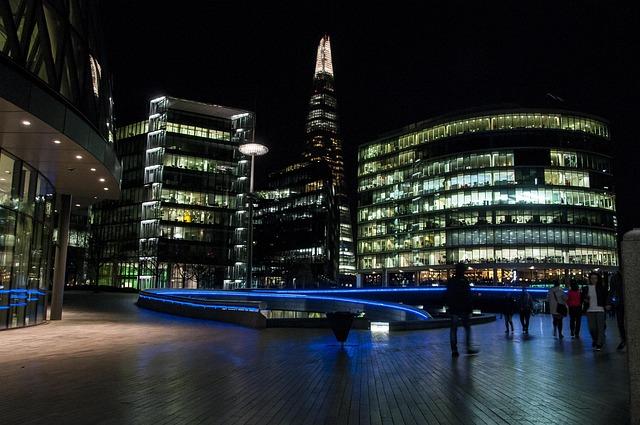
London’s business landscape is in the midst of a dynamic conversion, as one of the world’s leading financial centres doubles down on its credentials as a global hub for travel and tourism. From multinational hotel chains and tech-driven travel start‑ups to cultural institutions and transport operators, the UK capital is leveraging its historic appeal and modern infrastructure to attract both investors and visitors in record numbers.
This article explores how London’s tourism economy is reshaping commercial districts, driving innovation in hospitality and transport, and redefining what it means to do business in a truly international city. As policymakers, industry leaders and entrepreneurs recalibrate in the wake of shifting traveller behavior, sustainability pressures and geopolitical change, London offers a compelling case study in resilience-and a blueprint for the future of urban tourism-driven growth.
Emerging trends in London’s business travel sector reshaping corporate mobility
Corporate itineraries across the UK capital are increasingly defined by data-driven precision and sustainability metrics rather than first-class frills. Multinational firms are partnering with tech-forward TMCs to weave AI-based booking tools into employees’ everyday workflow, optimising routes, spend and time on the ground. Key decisions now revolve around consolidated dashboards that track policy compliance, traveller wellbeing and carbon impact in real time, while mobile-first platforms standardise payment, duty of care and approvals. As premium hotels pivot to “work-anywhere” concepts, executives are choosing properties that double as satellite offices, offering high-spec meeting spaces, frictionless check-in and embedded wellness programmes.
- AI-powered itinerary design and predictive rebooking
- Rail-first policies on short-haul routes into and out of London
- Hybrid event hubs combining in-person and virtual participation
- Experience-led stays in lifestyle hotels and serviced apartments
- Green corridors linking airports, hotels and key business districts
| Trend | Corporate Priority | London Touchpoint |
|---|---|---|
| Low-carbon mobility | Net-zero targets | Heathrow-City rail links |
| Bleisure travel | Talent retention | Extended Canary Wharf stays |
| Smart sourcing | Cost control | Dynamic hotel contracts |
| Wellbeing-centric design | Duty of care | Wellness-focused business lounges |
Simultaneously, the lines between business and leisure are being redrawn as executives negotiate longer, more purposeful visits that maximise relationship-building and local immersion. Travel managers increasingly curate modular trip structures that bolt client meetings onto innovation tours,co-working residencies and neighbourhood-based cultural experiences,especially around Kings Cross,Shoreditch and the South Bank. The shift is transforming supplier expectations: airlines are reconfiguring cabins for productivity, ground handlers are prioritising seamless transfers to major financial centres, and DMCs are packaging curated micro-itineraries for C-suite visitors. Together, these changes signal a recalibrated corporate mobility model in which efficiency, sustainability and on-the-ground engagement carry equal strategic weight.
How London’s tourism infrastructure is adapting to high value business visitors
From Mayfair’s discreet townhouses to repurposed Docklands warehouses, the capital is quietly retooling its visitor ecosystem to suit time-poor executives and dealmakers. New and refurbished properties are prioritising private boardrooms, high-spec hybrid meeting studios and contactless concierge services, while also layering in wellness-focused amenities designed for jet-lagged travellers. Airport-hotel connectivity is being sharpened through express transfers from Heathrow and London City, with premium rail links, chauffeured EV fleets and even helicopter charters aligning schedules with peak arrival slots from North America, the Middle East and Asia. Simultaneously occurring, business districts such as the City, Canary Wharf and King’s Cross are curating after-hours offerings that blend rooftop dining, members’ clubs and cultural experiences, ensuring corporate visitors can shift seamlessly from pitch to portfolio dinner.
Behind the scenes, tourism and hospitality stakeholders are investing in advanced data analytics, sustainability benchmarks and curated itineraries that match high-spend guests with high-impact experiences. Hotels are integrating with enterprise travel platforms to offer dynamic corporate rates and instant meeting-space booking, while destination management companies are packaging “boardroom-to-briefing” programmes that plug into London’s financial, tech and creative clusters. Key components of this evolving infrastructure include:
- Hyper-connected accommodation with gigabit Wi-Fi,secure VPN-ready networks and smart-room controls.
- Immersive venue tech for hybrid events, including 4K broadcast studios and multilingual captioning.
- Green mobility options prioritising EV fleets,river transports and walkable conference corridors.
- Bespoke concierge services pairing C-suite visitors with local experts, galleries and gastronomy.
| Business Hub | Signature Offering | Key Sector Focus |
|---|---|---|
| The City | Private dining in historic livery halls | Finance & legal |
| Canary Wharf | Waterfront convention centres | Banking & fintech |
| King’s Cross | Innovation labs & co-working campuses | Tech & creative |
Policy shifts and sustainability mandates transforming London’s MICE landscape
As the UK capital accelerates toward its net-zero goals, event planners are being compelled to rethink everything from venue selection to delegate mobility. Recent regulations on emissions, waste management and urban transport are reshaping how conferences and exhibitions are designed and delivered, pushing stakeholders to adopt greener frameworks as standard rather than as a value-add. Major convention centres are racing to secure ISO 20121 and other sustainability certifications, while borough councils are tightening requirements around energy use and late-night logistics. This policy pressure is quietly but decisively redrawing the competitive map, favouring properties and suppliers that can demonstrate credible carbon accounting, smart energy systems and low-impact catering.
- Low-emission access: Greater reliance on public transport, cycling infrastructure and electric shuttles for delegate transfers.
- Responsible procurement: Mandatory sustainable sourcing policies for AV, catering and stand construction.
- Data-driven reporting: Measurable ESG metrics becoming part of RFPs and post-event evaluations.
- Community integration: Incentives for events that support local businesses and social enterprises.
| Mandate Focus | Impact on MICE Events |
|---|---|
| Carbon reduction | Shift to hybrid formats and streamlined travel itineraries |
| Waste & plastics | Elimination of single-use materials and push for circular stand design |
| Urban mobility | Preference for venues with strong public transport connectivity |
| Social value | More corporate programmes tied to local skills, culture and charities |
Strategic recommendations for travel stakeholders to maximise London’s business potential
To harness the city’s full commercial magnetism, industry players must collaborate on seamless, end-to-end experiences that match London’s stature as a global dealmaking hub.This means aligning air connectivity, ground transport and hospitality offerings around the rhythms of the corporate calendar, with tailored packages for major trade fairs, fintech summits and creative industry showcases. Travel partners can deepen value by curating sector-specific itineraries that blend boardroom time with access to London’s innovation districts and cultural assets, positioning the city not just as a backdrop for business, but as a catalyst for it.
- Develop integrated MICE packages combining venues, accommodation and premium transport.
- Leverage data-driven pricing to optimise yield during peak conference and shoulder seasons.
- Promote sustainable travel options to meet the ESG expectations of corporate clients.
- Forge alliances with local innovators to offer site visits, labs and co-working experiences.
- Invest in multilingual services to better serve high-growth markets across Asia, the Middle East and the Americas.
Strategic coordination also calls for clearer value propositions across segments, from C-suite delegations to remote-working “business-leisure” travellers. Stakeholders should spotlight London’s comparative advantages through targeted campaigns and content that highlight neighbourhood expertise clusters, time-saving infrastructure and digital convenience. Partnerships with airlines, OTAs and destination management companies can amplify these messages, while performance dashboards help track which markets, sectors and travel behaviours are converting into long-term commercial relationships.
| Focus Area | Key Action | Business Impact |
|---|---|---|
| Connectivity | Align flights with event schedules | Higher delegate turnout |
| Packages | Bundle hotels, venues, transport | Increased spend per trip |
| Sustainability | Promote low-carbon options | Stronger corporate loyalty |
| Digital | Use real-time booking insights | Smarter capacity planning |
Final Thoughts
As London continues to evolve as a global center of commerce and culture, its business landscape remains as dynamic as the city itself.From financial giants in Canary Wharf to agile start-ups in Shoreditch and a resurgent visitor economy across the capital, the metropolis is recalibrating for a new era of growth.
For travel and tourism professionals, the message is clear: London is not simply open for business, it is actively reshaping what business looks like. Those able to navigate its shifting regulations, capitalise on its infrastructure investments and tap into its diverse talent pool will be best placed to benefit from the city’s next chapter.
In a marketplace where resilience and innovation are at a premium, London’s business ecosystem continues to offer both – and its trajectory will remain a bellwether for the wider global travel and tourism industry.