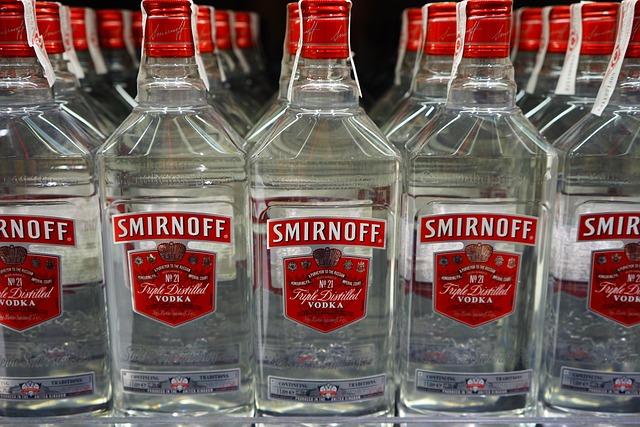
Two of the world’s biggest beverage brands have pulled their support from one of London’s most prominent music events, as the fallout from Kanye West’s recent controversies continues to spread. Pepsi and Diageo have both withdrawn their sponsorship of Wireless Festival, creating fresh uncertainty for the high-profile urban music showcase and sharpening questions about how far corporate partners are willing to go in backing headline-grabbing artists. The move follows mounting public and media backlash over West’s involvement with the festival, underscoring the growing pressure on brands to align their marketing decisions with rapidly shifting reputational and ethical expectations.
Corporate responsibility in crisis how brand sponsors are recalibrating after the Kanye West controversy
As the fallout from West’s remarks spread across social feeds and shareholder calls, global brands were forced into a rapid-fire ethics test. Marketing chiefs at legacy firms like Pepsi and Diageo moved from glossy campaign planning to crisis triage, weighing contractual fine print against widening public outrage. In this new landscape, sponsorship is no longer just a media buy; it is a moral bet. Corporations are investing in dedicated reputation risk units, scenario planning for influencer misconduct, and “kill switch” clauses that allow them to terminate partnerships when an artist’s behavior collides with a company’s stated values. In boardrooms, the conversation has shifted from “Can we afford to walk away?” to “Can we afford to stay?”
Behind the scenes, brands are also re-engineering how they select and monitor cultural partners, using both data and human judgment to avoid being caught flat-footed. That recalibration is visible in new protocols that many sponsors are quietly rolling out:
- Enhanced vetting of artists’ past and present conduct, including social media, public statements and philanthropic track records.
- Ethics-driven contracts with clear standards on hate speech, harassment and disinformation, backed by enforceable exit clauses.
- Real-time sentiment tracking around festivals and headliners to detect backlash before it escalates into a full-blown crisis.
- Stakeholder engagement that brings in employees,advocacy groups and fans when assessing whether a sponsorship still aligns with brand values.
| Brand Move | Core Motive |
|---|---|
| Cutting ties with headline acts | Protect long-term brand equity |
| Publishing values statements | Signal accountability to consumers |
| Redistributing budgets | Back safer, community-led events |
Impact on Wireless Festival finances programming and long term partnerships
The sudden exit of two blue-chip backers pulls a sizeable hole in the festival’s balance sheet, forcing organisers to reassess everything from talent fees to on-site activations. Premium headline bookings, large-scale stage builds and immersive brand zones are typically underpinned by multi-year drinks and soft-drink deals; without them, promoters may pivot towards leaner production, more regional acts and dynamic pricing on tickets. Early indications suggest a recalibration of budgets rather than an existential threat, as the event explores tiered sponsorship packages, shorter performance windows and cross-promotions with media partners to stabilise cash flow and preserve its status on the global festival circuit.
- Reduced margin for high-fee headliners
- Scaled-back experiential branding on site
- Greater reliance on ticket and merch revenue
- Increased courting of tech, fashion and gaming sponsors
| Area | Short-Term Change | Long-Term Outlook |
|---|---|---|
| Sponsorship Mix | Stopgap deals, smaller brands | Diversified, less risk per partner |
| Programming | More emerging artists, curated sets | Stronger identity, niche line-ups |
| Partnerships | Renegotiated terms, tighter clauses | Ethics-driven, values-based alliances |
Behind the scenes, the departures send a chill through existing and prospective partners who will now weigh the reputational risk of aligning with a festival that can be so quickly destabilised by an artist’s controversy. Contract language around morals clauses, content control and social media conduct is expected to harden, with brands seeking clearer exit ramps if backlash brews again. Yet the same scrutiny may also galvanise a new class of collaborators-smaller but more culturally embedded labels, activist-minded companies and start-ups-ready to trade mega-budget visibility for alignment with younger, more critical audiences, reshaping the event’s long-term ecosystem of alliances.
Measuring public sentiment why consumer backlash is reshaping music festival sponsorships
Brand managers once obsessed over TV ratings and attendance figures; now they’re poring over sentiment dashboards and real-time hashtags. The reaction to Kanye West’s Wireless Festival booking unfolded across X, Instagram, TikTok and Reddit in hours, not weeks, turning a programming decision into a reputational flashpoint for sponsors. Social listening tools tracked not just volume of mentions but the ratio of positive to negative reactions, the spread of boycott language, and the velocity of critical posts. In this environment, a spike in negative sentiment can feel more threatening than a bad review – it suggests an oncoming storm of cancelled subscriptions, empty shelves and activist-led campaigns that no consumer brand wants to be at the center of.
- Hashtag analysis driving risk assessments
- Influencer reactions amplifying outrage cycles
- Brand safety scores tied to sponsor renewals
- Petitions and open letters as red-flag indicators
| Signal | Brand Response |
|---|---|
| Surge in negative mentions | Issue holding statements |
| Boycott calls trend | Re-evaluate sponsorship fit |
| Influencer criticism spikes | Engage stakeholders privately |
| Investor concern surfaces | Move to withdraw or renegotiate |
For Pepsi and Diageo, these metrics are no longer abstract. Boardrooms are being briefed with live sentiment graphs before signing,renewing or walking away from high-profile festival deals. The calculus has shifted: aligning with a controversial headline act can deliver short-term buzz but risks long-term damage in markets where corporate values are scrutinised as closely as product quality. As consumer backlash becomes measurable in real time – from declining favourability scores to dips in purchase intent – global sponsors are treating festivals less as glamorous branding opportunities and more as volatile assets whose reputational risk must be priced in and, when necessary, cut loose.
Strategic recommendations for brands navigating reputational risk in high profile cultural events
Brands entering the orbit of polarizing cultural figures must now plan with the assumption that controversy is not a risk, but a certainty. This requires embedding scenario planning, rapid response protocols and clear values thresholds into every sponsorship agreement. Marketers should insist on contractual clauses that address conduct, speech and reputational harm, paired with pre-approved communications frameworks that can be activated within hours. Equally critical is a standing cross-functional team – legal, communications, social, and partnerships – empowered to make swift, evidence-based decisions when public sentiment turns. In this environment, silence or hesitation can be as damaging as the original controversy.
Strategic resilience also depends on the ability to read the room in real time and act consistently with a brand’s stated purpose. That means investing in social listening, stakeholder mapping and community-informed risk assessments long before a headliner takes the stage. When withdrawal becomes necessary, brands should couple it with clear messaging and tangible support for affected communities, rather than performative distancing. Consider the following practical levers:
- Codify non-negotiables: Align sponsorship criteria with DEI, human rights and brand ethics policies.
- Monitor sentiment continuously: Track audience, artist and activist narratives across channels.
- Prepare multi-path playbooks: From staying the course to partial repositioning to full exit.
- Center impacted audiences: Prioritize credibility with fans and communities over short-term noise.
| Risk Area | Brand Action | Outcome Goal |
|---|---|---|
| Artist controversy | Activate exit clauses, issue clear rationale | Protect trust and values alignment |
| Social backlash | Engage stakeholders, adjust messaging | Reduce outrage, show accountability |
| Community impact | Redirect funds to local initiatives | Maintain cultural relevance and goodwill |
Wrapping Up
As the dust settles over this latest clash between celebrity, commerce and public sentiment, Wireless Festival now finds itself at a crossroads. The swift retreat of marquee sponsors like Pepsi and Diageo underscores how rapidly brands can move when reputational risks outweigh marketing rewards, especially in an era where social media backlash can snowball within hours.
What remains to be seen is whether this will mark a turning point in how festivals vet and platform controversial artists, or simply stand as another flashpoint in the ongoing battle over where to draw the line between artistic expression and public accountability. For now, the episode serves as a reminder that in today’s cultural landscape, the decisions made on stage reverberate far beyond the festival gates.