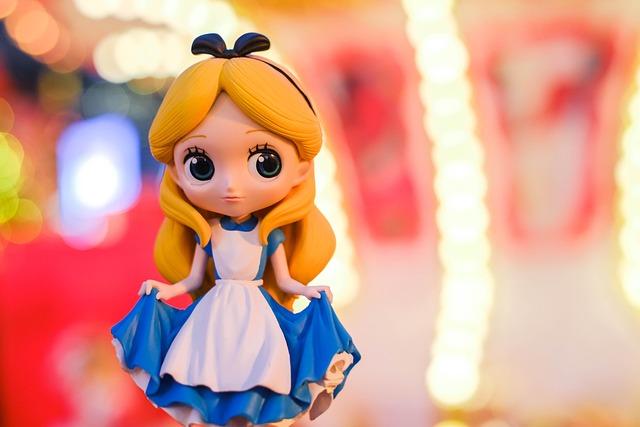
The Marylebone Theater’s latest production of Alice In Wonderland invites audiences down the rabbit hole with a bold reimagining of Lewis Carroll’s classic tale. Blending inventive staging, contemporary flourishes, and a family-pleasant sensibility, this adaptation aims to speak as much to today’s adults as to the children in tow. Yet in a city saturated with festive fare and literary revivals, the question is whether this Alice offers genuine wonder or simply another trip through familiar fantasy territory. This review examines how successfully the production balances whimsy with emotional depth, and whether its creative risks pay off on the London stage.
Production design and staging at Marylebone Theatre bring Wonderland to vivid life
The visual world here is built on clever contrasts rather than lavish excess. A skeletal tree that twists into a doorway, a chessboard that stretches into the wings, and a ceiling of suspended teacups sketch out a landscape that feels both fragile and endless.Color is used with near-cartoon precision: cool, washed-out hues frame Alice’s ordinary life, while violent pinks, acid greens and deep indigos erupt the moment she tumbles below. The stage team lean into practical effects – trapdoors, rotating rostra, low-lying fog – which, combined with tight, cinematic lighting cues, turn scene changes into mini-illusions in themselves.
- Set pieces glide in on near-silent tracks, morphing a Victorian study into a chaotic tea party in seconds.
- Costumes riff on steampunk and streetwear, giving familiar characters a slyly contemporary twist.
- Lighting shifts like a mood ring, mapping Alice’s emotional journey as much as the physical one.
- Sound design places whispers behind the audience and clockwork ticks under their seats, collapsing the distance between stage and stalls.
| Element | Effect on Audience |
|---|---|
| Transforming doors | Suggest endless routes and choices |
| Oversized props | Distort scale, echoing Alice’s disorientation |
| Shadow projections | Layer in menace beneath the whimsy |
| Onstage musicians | Fuse score with action, keeping momentum live |
Performances that reimagine classic characters for a contemporary audience
What makes this production feel freshly minted is the way it subtly rewires familiar figures to mirror today’s anxieties and aspirations. The White Rabbit is no longer just a flustered timekeeper but a gig-economy worker, juggling multiple tasks and notifications, his nervous energy instantly recognisable to a screen-tethered audience. Alice herself is framed less as a passive wanderer and more as a sharp-minded outsider, questioning every rule she encounters with the wary curiosity of a teenager raised on climate headlines and controversy threads. Around her, the Queen of Hearts channels the brittle charisma of a populist leader, while the Mad Hatter plays like a burnout creative, clinging to absurdity as a defense against a world that demands constant productivity.
- Alice as a questioning, media-literate protagonist
- White Rabbit as overworked and permanently “online”
- Queen of Hearts as a volatile, image-conscious authority figure
- Mad Hatter as a disillusioned, hyperactive innovator
| Character | Classic Trait | Modern Twist |
|---|---|---|
| Alice | Curious child | Critical young activist |
| White Rabbit | Always late | Perpetually overbooked worker |
| Queen of Hearts | Tyrannical ruler | Spin-driven demagogue |
| Mad Hatter | Eccentric host | Fractured creative under pressure |
These reconfigurations are underscored by design choices that speak fluent 2020s: LED-lit costumes that flicker like notification bars, a soundscape that fuses nursery-rhyme motifs with glitchy electronica, and props that echo smartphones and swipe culture without ever abandoning the story’s Victorian whimsy. Rather than parodying modern life, the production lets each performer inhabit a double register – faithful to Carroll’s dream logic yet rooted in real, contemporary stresses. The result is a gallery of icons who feel less like museum pieces and more like people you might brush past on the Tube, their excesses and vulnerabilities reflecting our own.
Direction pacing and narrative choices that shape this adaptation of Alice
The production moves with a brisk, almost cinematic rhythm, cutting swiftly between scenes rather than lingering in the more literary beats of the book. This tighter tempo amplifies the sense of falling headlong through Wonderland, but it also means moments of introspection are compressed into sharp visual cues and pointed line deliveries rather than extended dialog. Director-driven choices favour clear narrative through-lines – Alice’s emotional arc from bewildered observer to active questioner is foregrounded, while some of the novel’s digressive episodes are distilled into impressionistic snapshots.
To support this streamlined approach, the staging leans on recurring visual motifs and carefully calibrated shifts in tone, guiding audiences through the story’s surreal logic without over-explaining. A number of classic encounters are reconfigured or merged, creating a curated journey that privileges thematic resonance – power, identity, and absurd bureaucracy – over strict fidelity to the source. This is reflected in how scenes are blocked and edited together:
- Speedy transitions keep younger viewers engaged while preserving narrative coherence.
- Layered tableaux compress multiple episodes into single stage pictures.
- Choreographed chaos replaces lengthy dialogue with movement-driven storytelling.
| Novel Moment | Stage Treatment | Effect |
|---|---|---|
| Tea Party | High-speed, overlapping dialogue | Emphasises disorientation |
| Croquet Game | Stylised ensemble choreography | Highlights social absurdity |
| Trial Scene | Extended, slowed-down finale | Gives Alice clear moral center |
Who should see this Alice In Wonderland and how it compares to other London family shows
This is a smart choice for families with children aged around 7-12 who can follow a story that doesn’t talk down to them. Younger theatre-goers will be drawn in by the bold design, physical comedy and playful audience interaction, while older kids – and their parents – will appreciate the sharper verbal wit and slightly darker undercurrent that nods to Carroll’s original absurdity. It especially suits:
- Book‑lovers who know the story and enjoy seeing it playfully deconstructed.
- Nervous first-timers who’ll benefit from a relatively intimate space rather than a cavernous West End auditorium.
- Multigenerational groups looking for something that entertains adults without losing the children.
- Schools and youth groups interested in a production that can spark post-show discussion about imagination, rules and growing up.
Set against the broader landscape of London’s family theatre, this staging sits somewhere between the high-octane commercial spectacles and the gentler storytelling shows at smaller venues. It’s less bombastic than the big-brand musicals, but richer in character detail and invention than many seasonal pantos. In terms of tone and scale, it feels closest to the family work at venues like the Unicorn or Polka, with a slightly edgier, more surreal streak. The comparison becomes clearer when you look at how it stacks up:
| Show | Best for | Vibe |
|---|---|---|
| Alice In Wonderland (Marylebone) | Curious kids & adults who like quirk | Inventive, intimate, slightly offbeat |
| West End mega-musicals | First big “wow” theatre trip | Loud, polished, spectacle-driven |
| Traditional pantomimes | Very young children & festive outings | Broad comedy, crowd participation |
| Fringe family shows | Low-cost, relaxed daytime visits | Simple staging, story-led |
To Wrap It Up
this Alice in Wonderland at the Marylebone Theatre doesn’t reinvent Carroll so much as it repositions him, offering a visually assured and thoughtfully curated journey through a story we think we certainly know. It may not satisfy purists at every turn, nor does it always balance innovation with emotional depth, but it consistently demonstrates a clear artistic vision and a confident handling of its source material.
For families and curious theatregoers alike, it stands as a compelling reminder of why Alice endures: not just as a fantastical escape, but as a mirror to our own shifting realities. Whether you fall for its bold choices or leave wishing for a more traditional trip down the rabbit hole, this production ensures that Wonderland remains a place worth revisiting-and debating-long after the curtain comes down.