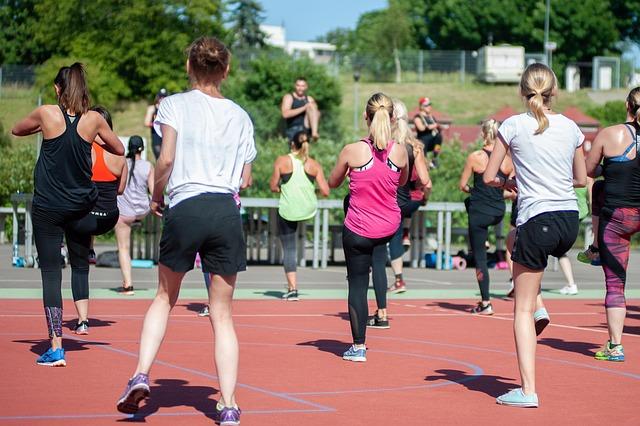
For years he chronicled other people’s sporting triumphs from the safety of the press box. Now a former North Devon Gazette sports editor is swapping the notebook for a race number as he takes on one of the world’s most iconic endurance challenges. In a journey that leads from newsroom deadlines to the start line of the TCS London Marathon, his latest story unfolds not on the back pages but on the streets of the capital – and this time, he’s at the heart of the action.
Training for 26 miles how a newsroom veteran prepared mind and body for the London Marathon
For years, his stopwatch hand twitched instinctively at the sight of a finish gantry; now it was his own splits he was scribbling into a battered reporter’s notebook. The training plan on the fridge was less a glossy template and more a working draft, scrawled over with arrows, asterisks and the kind of shorthand once reserved for half-time match stats. Mornings started not with inbox triage but with a disciplined routine of stretching, easy miles and strength work squeezed between school runs and late-night subbing shifts. To keep the newsroom reflexes sharp while conditioning legs unused to double-digit distances, he built his weeks around:
- Tempo runs that mimicked the sustained pressure of filing on deadline
- Steady long runs to rehearse fuelling, pacing and mental resilience
- Hill repeats substituted for the short, sharp bursts once spent chasing quotes in the tunnel
- Recovery days treated as non-negotiable, just like a print slot
| Session | Focus | Newsroom Parallel |
|---|---|---|
| Long run (Sunday) | Endurance | Sunday sports pull-out |
| Midweek tempo | Race pace | Match report on the whistle |
| Easy recovery | Injury prevention | Quiet Monday news list |
Mental preparation was every bit as calculated. The veteran newshound who had once filed from antagonistic away ends now rehearsed race-day scenarios on quiet coastal paths, learning to ride out the lulls between crowds and the late-race doubts that creep in like a negative match report waiting to be written. He drew on years of post-match debriefs to analyze each training week with a cool head-what worked, what niggled, what needed rewriting-turning past deadline anxiety into a calm, repeatable pre-run ritual. The playlist was curated like a back page: local bands, commentary highlights, and just enough spine-tingling moments to lift the tempo on lonely miles, proof that the same discipline that once built editions could, with patience, build a marathon-ready body.
From match reports to mile splits the skills a sports editor brings to marathon day
Years hunched over a laptop in a crowded press box turn out to be surprisingly good preparation for the long road to The Mall. A lifetime of decoding match stats into clear narratives now helps break 26.2 miles into manageable, reportable chunks: the first 5k “opening exchanges”, halfway the “turning point”, Canary Wharf the “dig‑in period”, and Birdcage Walk the “injury‑time winner”. The same eye that once tracked pass completion and possession percentages now scans the GPS watch, wind direction and road camber, weighing up whether to stick with a pacing group or surge ahead.On marathon morning, the former sports editor arrives armed not just with gels and safety pins, but with a newsroom toolkit – an instinctive feel for timing, detail and story arc.
- Pre‑race planning: route notes, predicted split charts, contingency plans
- On‑the‑run analysis: reading body signals as closely as in‑game stats
- Live storytelling: drafting the post‑race piece in his head between water stations
- Deadline discipline: using the finish clock as the ultimate print cut‑off
| Press Box Skill | Marathon Use |
|---|---|
| Stat tracking | Monitoring mile splits |
| Pacing a report | Managing race effort |
| Calm under pressure | Coping with late‑race fatigue |
| Spotting turning points | Adjusting strategy on the course |
On the streets of London, editorial judgment becomes a survival strategy. Where once he chose the key quote for tomorrow’s back page, now he chooses whether to chase the runner in front or let them go to protect the negative split. Years of interviewing exhausted athletes after extra‑time finals have taught him how fragile the line is between glory and cramp, so he respects hydration stops like a manager respects substitutions. The clock, the crowd and the course provide the raw copy; his job, as ever, is to stay alert, keep his head when others are fading, and turn a chaotic, unpredictable contest into a coherent story – only this time, he’s not just writing the narrative, he’s living in every painful, exhilarating paragraph.
Community backing and charity focus how North Devon rallied behind a first time London runner
On the streets of Barnstaple, Bideford and Ilfracombe, collection buckets filled as quickly as training miles clocked up on Strava. What began as a personal challenge soon became a shared North Devon project, with local businesses pinning up sponsor forms and village pubs turning quiz nights into mini fundraisers. The former sports editor found himself on the other side of the story, as clubs he once reported on – from rugby to rowing – now promoted his fundraising link across their socials, while schools held non-uniform days in his chosen charity’s colours.
The support wasn’t just financial; it was practical, vocal and deeply local. Residents organised:
- Pop-up cake stalls outside Sunday league fixtures
- “Pound-a-mile” challenges in office break rooms
- Matchday bucket collections at Torridge and Taw-side grounds
- Online raffles donated by autonomous traders and farm shops
| Support Type | Who Led It | Impact |
|---|---|---|
| Charity quiz night | Local pub landlord | Sold-out event |
| Shoreline training run | Running club | Dozens joined in |
| Social media appeal | Community groups | Donations surged |
By race week, the fundraising total had already surpassed expectations, driven as much by small, handwritten cheques and collection tins on village shop counters as by big-ticket donations. For many, backing a familiar byline swapping the press box for the start line was a chance to funnel community pride into tangible support, turning every North Devon lane he’d trained on into a quiet partner in a much bigger, capital-city challenge.
Lessons from the course practical advice for local readers planning their own marathon journey
Long before race day, the most valuable miles are the ones you log in the lanes behind your own front door. Treat North Devon’s mixed terrain as your secret weapon: use the drag of beach sand,the bite of the Tarka Trail headwinds and the punchy climbs out of Bideford or Braunton to rehearse the fatigue you’ll feel on Embankment or Tower Hill. Build a routine that fits around real life – school runs, shift work, soggy evenings – because consistency, not perfection, is what carries you past Big Ben and over the line on The Mall. And remember, London’s crowded start pens are no place to experiment; test everything here first, from your pacing to your porridge.
- Train local, think global: Mimic marathon conditions with long runs at steady pace on the Tarka Trail, reserving the hills of Saunton or Ilfracombe for strength.
- Respect recovery: Use Westward Ho! or Woolacombe for easy, flat shake-outs where the only goal is time on feet, not Strava glory.
- Fuel like it’s race day: Practice gels and drinks on your Sunday run from Barnstaple to Fremington, not for the first time in Greenwich Park.
- Plan your logistics: If you’re used to driving to races at Torrington or Bideford, rehearse London-style: earlier alarms, public transport, and waiting in the cold.
- Build your support crew: Get family to “pop up” at different spots on a long route – Braunton, Instow, Yelland – so they know how to spot you and you learn to feed off their noise.
| Local Run | London Equivalent | Main Benefit |
|---|---|---|
| Blustery Tarka Trail | Canary Wharf loops | Wind & rhythm practice |
| Hills out of Bideford | Tower Bridge approach | Climb under fatigue |
| Busy Barnstaple quay | Cutty Sark crowds | Weaving through runners |
| Seafront at Westward Ho! | Embankment finish | Holding pace late on |
Key Takeaways
As the last of the barriers are taken down and London returns to its usual rhythm, Petherick’s story lingers as a reminder that the finish line is rarely where a journey ends.For a journalist more accustomed to filing copy than fighting lactic acid, the marathon has offered a new vantage point on endurance, community and the quiet motives that drive ordinary people to remarkable efforts.
From the press box to the pavement, his transition mirrors a wider shift in how we view sport – less as spectacle to be observed and more as experience to be inhabited. And while his time will be recorded in the results, it is indeed the training miles in the dark, the charity donations pledged, and the example set for readers that will endure longest.For the North Devon sports editor-turned-marathon runner, this may have been his first 26.2 miles. It is unlikely to be his last.