Indian playback sensation Shreya Ghoshal turned her London concert into a nostalgic festivity of Hindi cinema’s golden era, paying an emotional tribute to legendary singer Asha Bhosle. Before a packed audience, Ghoshal revisited some of Bhosle’s most iconic melodies, including the evergreen “Abhi Na Jao” and the romantic classic “Do Lafzon Ki Kahani,” weaving them seamlessly into her set. The homage not only highlighted Ghoshal’s own vocal prowess but also underscored the enduring influence of Asha Bhosle on generations of singers and film music lovers worldwide.
Shreya Ghoshal honours Asha Bhosle in London with timeless romantic classics
Under the soft,amber glow of the stage lights at London’s historic venue,Shreya Ghoshal transformed the evening into a living archive of Hindi cinema’s golden era,revisiting songs that have long defined the vocabulary of romance for generations. With renditions of “Abhi Na Jao Chhod Kar” and “Do Lafzon Ki Hai Dil Ki Kahani”,she lingered lovingly on each phrase,echoing the emotional nuance and delicate phrasing that made these classics immortal,while subtly imprinting her own vocal identity. The predominantly South Asian crowd, joined by a notable contingent of young, non-diaspora listeners, responded with hushed reverence, turning the concert into an intergenerational dialog between past and present. In a rare, candid mid-set moment, she shared anecdotes about first discovering these melodies as a child, crediting them as formative lessons in storytelling through song.
- Venue: A packed London auditorium, with a cross-generational audience
- Highlight: Extended standing ovation after the closing line of “Abhi Na Jao”
- Atmosphere: Nostalgic, intimate, and charged with quiet emotion
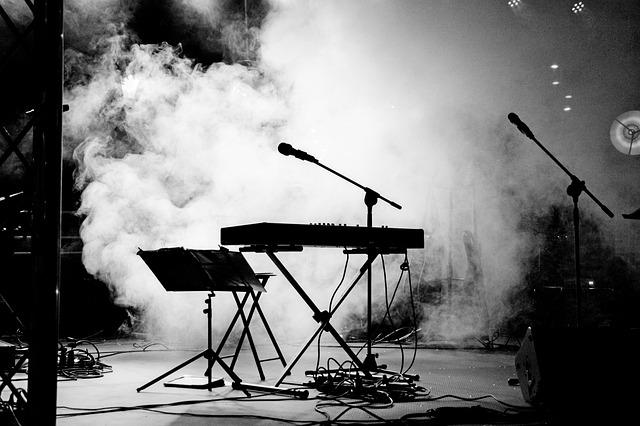
- Visuals: Minimal staging, spotlighting the voice and lyrics
| Classic Performed | Original Film | Mood on Stage |
|---|---|---|
| Abhi Na Jao Chhod Kar | Hum Dono | Poised, wistful |
| Do Lafzon Ki Hai | The Great Gambler | Dreamy, fluid |
| Additional medley pieces | 1960s-70s hits | Warm, nostalgic |
Beyond the vocal bravura, the set functioned as a curated primer on the evolution of romantic expression in Hindi film music, underscoring how these songs continue to shape contemporary performance styles.Ghoshal framed the evening as a gesture of gratitude, often stepping back between verses to let the audience softly sing along, effectively turning the hall into a collective chorus that bridged continents and decades. The subtle re-orchestration – leaning on live strings, gentle acoustic guitar, and restrained percussion – preserved the vintage warmth of the originals while adapting them to a modern concert aesthetic. It was a reminder that in an era dominated by digital singles and streaming algorithms, these meticulously crafted melodies still command a rare, communal silence, proving their enduring power in the global soundscape.
Inside the musical nuances of Abhi Na Jao and Do Lafzon Ki at the Royal Albert Hall
As the first notes of “Abhi Na Jao Chhod Kar” floated through the Royal Albert Hall, the acoustics of the historic venue seemed to cradle every micro-inflection in Shreya Ghoshal’s phrasing. She leaned into Asha Bhosle’s understated sensuality with a meticulous command over breath and pause, stretching key syllables just long enough to mirror the original’s lingering reluctance, yet introducing her own, slightly darker vocal hue. The orchestra responded with a finely balanced arrangement: muted strings, brushed percussion and a softened horn line that gave the ghazal-like melody a contemporary polish without diluting its vintage romance.
- Tempo subtly eased to heighten emotional tension
- Dynamics shaped through whisper-soft verses and soaring refrains
- Orchestration blending classic Hindi film textures with concert-hall grandeur
| Song | Key Mood | Vocal Focus |
|---|---|---|
| Abhi Na Jao | Intimate longing | Soft legato, lingering pauses |
| Do Lafzon Ki | Dreamlike nostalgia | Smooth glides, clear diction |
With “Do Lafzon Ki Hai Dil Ki Kahani”, Ghoshal shifted the palette entirely, adopting a more cinematic expansiveness that matched the hall’s sweeping architecture. The lilting waltz rhythm was articulated with precise enunciation on each syllable,allowing the lyric’s simplicity to cut through the lush,reverberant soundscape.Occasional ornamental flourishes-light meends and restrained murkis-nodded to Asha Bhosle’s original agility while staying grounded in a concert aesthetic. The result was a performance that not only revived two classic soundtracks but also reframed them for a global stage, underscoring how their melodic and rhythmic subtleties can still command silence, attention and applause in one of the world’s most demanding venues.
Audience reactions and emotional resonance as a new generation discovers Asha Bhosle
As the first familiar notes of “Abhi Na Jao Chhod Kar” floated through the London venue, the generational divide in the audience seemed to dissolve. Younger fans, many of whom have grown up on streaming-era playlists, were seen quietly turning to their parents for whispered translations of the Urdu-inflected lyrics, while older listeners responded with knowing smiles and moist eyes. The applause after each line felt less like routine gratitude and more like a collective act of acknowledgement – of a voice that has soundtracked family car rides, wedding videos and grainy cassette tapes. In real time,social media feeds lit up with short clips and breathless captions,effectively turning the concert hall into a global listening room.
This emotional surge was not just nostalgia; it was discovery. For a section of the crowd, Shreya Ghoshal’s phrasing and respectful rearrangements acted as an entry point into Asha Bhosle’s vast catalog, prompting a renewed curiosity for the original recordings. Fans reacted with a mix of awe and gratitude:
- Young attendees shared posts about “hearing these songs properly for the first time”.
- Second-generation diaspora listeners described a sudden connection to their parents’ youth.
- Older fans framed the evening as “a rare chance to relive radio days in a streaming world”.
| Age Group | Typical Reaction |
|---|---|
| 18-25 | “Searching Asha Bhosle on Spotify tonight.” |
| 26-40 | “Felt like my parents were sitting next to me.” |
| 40+ | “For a moment, it was the 1970s again.” |
Preserving Bollywood’s golden era how contemporary concerts can keep musical legacies alive
On a packed London night, as Shreya Ghoshal slipped into the lilting phrases of “Abhi Na Jao Chhod Kar” and the tender sighs of “Do Lafzon Ki Hai Dil Ki Kahani”, the Royal Albert Hall briefly felt like a Bombay studio of the 1960s. These performances do more than stir nostalgia; they function as living archives, ensuring that younger listeners encounter Asha Bhosle not just as a name in playlists, but as a vocal revolution whose phrasing, range and daring choice of songs shaped Bollywood’s soundscape. By replicating original arrangements while weaving in contemporary orchestration, concerts like Ghoshal’s keep classic melodies compatible with modern ears, allowing the music to migrate naturally from vinyl memories to streaming-era relevance.
Such tributes also recalibrate how audiences engage with legacy music, transforming “old songs” into shared cultural experiences rather than static museum pieces. Curated setlists, storytelling between songs and rich, concert-specific arrangements help spotlight the artistry behind each track, from the lyricist’s metaphors to the composer’s harmonic experiments. In this format, legacy becomes collaborative:
- Veteran composers are reintroduced to new demographics.
- Session musicians gain overdue recognition on global stages.
- Cross-generational duets create continuity between eras.
| Concert Element | Legacy Impact |
|---|---|
| Storytelling about songs | Revives context and cultural memory |
| Faithful yet fresh arrangements | Protects essence, attracts new fans |
| Tribute medleys | Showcases range of the original artist |
Final Thoughts
As Ghoshal’s final notes faded, the evening became more than a concert; it stood as a living bridge between eras of Hindi film music. Her measured, reverent renditions of Asha Bhosle’s timeless classics not only delighted an international audience, but also underscored the continuing global resonance of India’s golden-age melodies. In London, far from the studios and stages where these songs were first born, Shreya Ghoshal’s tribute reaffirmed both Asha Bhosle’s enduring legacy and the duty of today’s leading voices to carry that tradition forward.