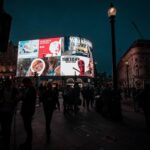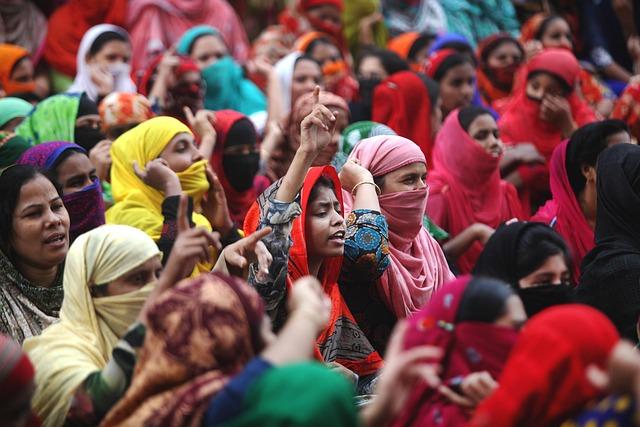
On a damp afternoon in central London, the chants echoing off Whitehall’s stone facades tell a story that stretches far beyond the city’s borders. From climate justice marches to rallies against debt and austerity, the capital has become a stage on which global struggles over power, resources, and rights are acted out in real time. This is the terrain on which Global Justice Now operates: a shifting landscape where protest meets policy, and where local voices challenge decisions made in distant boardrooms and international institutions.
As governments double down on border controls, multinational corporations deepen their reach, and economic inequality widens, London’s streets are repeatedly transformed into arenas of contestation. Campaigners, community groups, and ordinary residents converge to ask who benefits from the current order-and who pays the price. In this series, “Power, Protest, and Politics: London,” we explore how dissent in one city connects to movements across the world, and how organizations like Global Justice Now are working to turn public anger into political change.
Mapping the new landscape of power in London from corporate capture to community resistance
From glass-fronted lobbies in the City to algorithmic “smart city” control rooms, the forces shaping London increasingly operate far from public view. Corporate giants influence housing policy through luxury developments that sit half-empty, drive up energy bills while sponsoring greenwashed festivals, and steer transport priorities that favour profit over people’s mobility. New alliances between property developers, private equity, and outsourced service providers are quietly redrawing the city’s map.Their power is reinforced through polished PR campaigns and revolving doors with public office, where former ministers become consultants and lobbyists help draft the very regulations meant to restrain them.
Yet alongside this entrenched influence, a very different cartography of power is being drawn by residents, workers and campaigners who refuse to be sidelined. Across boroughs, local groups are building networks that link housing justice, climate action and migrant rights into one shared struggle. They organize through:
- Estate-based campaigns resisting demolition and demanding genuinely affordable homes
- Mutual aid networks that outlast crises and turn short-term support into long-term organising
- Unionised workplaces where cleaners, carers and couriers fight precarity and win recognition
- Community assemblies that crowdsource policy ideas from those most affected by inequality
| Site of Power | Corporate Influence | Community Response |
|---|---|---|
| Housing | Luxury towers, investor landlords | Rent strikes, anti-eviction teams |
| Work | Gig platforms, zero-hours contracts | Grassroots unions, strikes |
| Climate | Fossil sponsors, false “net zero” | Divestment drives, street protests |
| Democracy | Lobbying, closed-door deals | Citizen assemblies, open councils |
Inside the protest movements reshaping London how grassroots organisers are redefining public space
From the steps of City Hall to the ring roads of outer boroughs, a new generation of campaigners is treating London’s streets as a canvas for political imagination.Pop-up kitchens in Trafalgar Square, teach-ins under railway arches in Peckham, and cycle-powered sound systems rolling through Oxford Street all signal a shift from one-off marches to sustained, place-based resistance. These organisers are not simply demanding policy change; they are experimenting with new ways of being together in public, blending art, mutual aid and direct action. Their gatherings blur the line between protest and community festival, turning what were once transit corridors or commercial zones into temporary commons where neighbours, workers and migrants can speak, plan and care for each other in full view of the state and the market.
At the heart of this transformation is a quiet infrastructure of grassroots groups mapping the city according to need rather than profit. They occupy pavements outside detention centres, host legal clinics in church halls, and coordinate rent-strike assemblies in estate courtyards, building a living archive of resistance across postcodes. Common tactics include:
- Reclaiming roads through rolling blockades, people’s assemblies and street art sessions.
- Transforming retail zones into hubs for climate, anti-racist and housing justice campaigns.
- Embedding care with first-aid stations, childcare tents and community kitchens at demonstrations.
| Site | Typical Action | Power Shift |
|---|---|---|
| High Streets | Boycotts & fly-ins | From shoppers to stakeholders |
| Council Estates | Rent strikes | From tenants to co-strategists |
| Major Junctions | Mass sit-ins | From traffic flow to civic forum |
Policy battles at City Hall and Westminster where campaigns for global justice are won or lost
Behind the grand facades of London’s democratic institutions, the real struggle over whose voices matter unfolds in committee rooms, corridors, and late-night voting lobbies. At City Hall, decisions on public transport fares, housing policy, and policing can either entrench inequality or open space for a fairer city that stands in solidarity with communities worldwide.In Westminster, trade bills, migration rules, and climate commitments define whether the UK props up a rigged global economy or helps dismantle it. Campaigners who understand these levers of power work across multiple fronts: briefing councillors, staging creative direct actions, and using legal challenges to expose the hidden architecture of injustice.
Coalitions of grassroots groups, trade unions, and community organisations now treat London’s political institutions as key arenas in the wider fight for climate justice, debt relief, and corporate accountability.Their tactics are varied yet coordinated:
- Targeted lobbying of MPs and Assembly Members to amend bills and budgets
- Public hearings that force institutions to confront testimonies from affected communities
- Data-driven campaigns exposing how local decisions fuel global inequality
- Transnational alliances linking London activists with partners in the Global South
| Arena | Key Issue | Campaign Goal |
|---|---|---|
| City Hall | Public procurement | End contracts with exploitative firms |
| Westminster | Trade agreements | Protect workers and climate |
| City Hall & Westminster | Fossil fuel finance | Divest public funds globally |
From marches to meaningful change concrete strategies for activists seeking lasting political impact
On London’s streets,a banner can grab headlines for a day; behind closed doors,a well-briefed campaign can reshape policy for a decade. Transforming public anger into durable change means building bridges between protest squares, council chambers, and community halls. Activists are increasingly pairing visible disruption with quieter, disciplined organising: tracking parliamentary timetables, coordinating letter-writing blitzes before key votes, and equipping local groups with clear demands instead of vague outrage. They map power as carefully as they plan a march route-identifying who signs the contracts, who controls the budget line, and which officials are most vulnerable to public pressure.
- Co-creation with affected communities to ensure campaigns reflect lived realities, not just slogans.
- Targeted lobbying that matches every street action with follow-up meetings, briefing notes, and proposed amendments.
- Strategic alliances with unions, faith groups, and local councils to expand leverage beyond activist circles.
- Data-driven storytelling that turns statistics into human narratives for media and policymakers.
- Long-haul infrastructure-fundraising, training, and digital tools-to keep movements alive between crises.
| Action | Immediate Aim | Long-Term Outcome |
|---|---|---|
| Mass rally in Westminster | Signal public dissent | Shift political cost of inaction |
| Constituency lobby days | Secure MP commitments | Embed demands in party platforms |
| Community teach-ins | Build local leadership | Create self-sustaining networks |
| Coordinated media work | Frame the public debate | Normalise structural solutions |
Final Thoughts
As the chants fade and the placards are put away, the questions raised in London’s streets remain unresolved. Power is still unevenly distributed, the forces of global capital remain deeply entrenched, and the policies made in government offices continue to reverberate far beyond the city’s borders.Yet the protests chart another story running in parallel: one of persistence, organisation, and a refusal to accept that politics is something done only by the powerful. From trade deals to climate justice, from debt relief to migrant rights, campaigners are insisting that decisions taken in London must be accountable to those who bear their consequences worldwide.
Whether that pressure will be enough to shift the dial is uncertain.What is clear is that the contest over power and justice is no longer confined to parliaments and boardrooms. It plays out on pavements, across social media, and within transnational networks of activists who see London not just as a seat of authority, but as a crucial battleground.In that struggle, protest is not an afterthought to politics, but part of its very fabric-an ongoing negotiation over whose voices count, whose lives matter, and what kind of global order will emerge from the heart of this city.