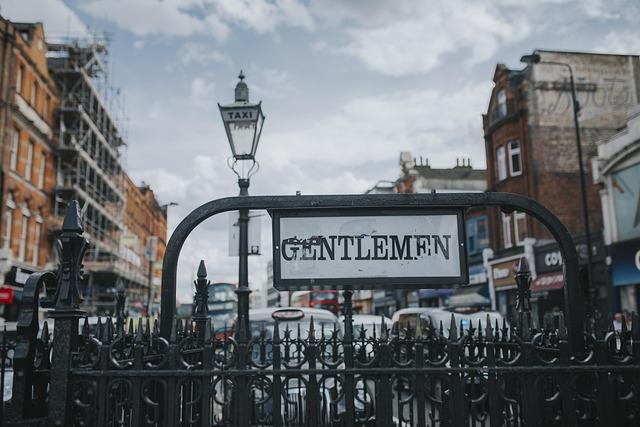
As London eases into another busy summer, the capital’s streets will once again fill with commuters, shoppers and tourists. But behind the bustle lies a persistent challenge: everyday crimes that too often go unreported,allowing offenders to operate with impunity.In response, Crimestoppers has launched its summer Safer Streets campaign, urging Londoners to speak up about crime-confident that they can do so anonymously and without fear of reprisals.
This initiative aims to turn silent witnesses into powerful allies, focusing on neighbourhood-level issues such as drug dealing, violent offences, antisocial behavior and exploitation. By raising awareness of how and why to share data, Crimestoppers and its partners hope to break the cycle of under-reporting and make London’s streets safer for everyone who lives, works or visits here.
How London communities are joining forces this summer to tackle street crime through the Safer Streets campaign
From Harrow to Hackney, neighbours, local traders and youth leaders are teaming up in new ways to reclaim their streets. Pop‑up information stalls outside stations, late-night patrols by trained volunteers and discreet reporting hubs in barbershops and cafés are giving residents safe, familiar spaces to share what they know about knife crime, harassment and drug dealing.Community centres are hosting “speak up” workshops with Crimestoppers, where residents learn how to pass on information anonymously, while faith groups are opening their doors for evening forums that bring together parents, officers and young people. The result is a patchwork of hyper-local initiatives, all focused on the same message: silence helps offenders, but confidential information can stop them.
Across the capital,boroughs are tailoring the summer campaign to the issues on their doorstep,using street art,sport and music to reach people who might never attend a formal meeting. Murals co-designed with teenagers highlight the impact of carrying weapons; football tournaments in estates double as safe spaces to share concerns,and youth workers are using social media “takeovers” to show,step by step,how anonymous reporting works. Residents are also mapping hotspots and feeding them into local action plans, supported by Crimestoppers and council teams.
- Street pop‑ups: mobile stands at markets and festivals explaining anonymous reporting.
- Youth-led media: podcasts and short videos debunking myths about “snitching”.
- Women’s safety walks: evening routes logged and shared with councils and transport teams.
- Business watch groups: shopkeepers sharing intel on repeat offenders, via secure channels.
| Area | Focus | Summer Action |
|---|---|---|
| Brixton | Knife crime | Youth art & music stalls |
| Newham | Street harassment | Night safety walks |
| Haringey | Drug hotspots | Market pop‑up stands |
| Southwark | Robberies | Business watch forums |
Why speaking up anonymously to Crimestoppers can disrupt gangs protect vulnerable people and prevent violence
Gangs rely on silence, fear and confusion to keep control. When you share what you know through Crimestoppers, your information can definitely help police pinpoint where weapons are stored, how drugs are moved or who is targeting young people – all without anyone ever knowing it was you. Speaking up this way helps break the grip of intimidation on estates, bus routes and local high streets. It means vulnerable people – including children being groomed into running drugs or carrying knives – can be identified earlier and offered support, before violence becomes routine.
Every detail matters, from a nickname you overheard to a car regularly seen in the wrong place at the wrong time.Crimestoppers turns these fragments into actionable intelligence that can stop retaliation attacks,close down county lines and remove perilous individuals from your neighbourhood. By choosing an anonymous route, you can act on what you’ve seen or heard without risking your job, your relationships or your safety.
- 100% anonymous: no names, no IP tracking, no caller ID.
- Autonomous charity: separate from the police and the courts.
- Available 24/7: online form and phone line, day or night.
- Focus on safety: information used to prevent harm and protect those at risk.
| What you might notice | How it can help |
|---|---|
| Unusual late-night meetings around one address | Maps out a local gang base or stash house |
| Young people travelling far with older males | Flags possible county lines exploitation |
| Social media posts with weapons or cash | Identifies those driving threats and violence |
Inside the hotspots how targeted action in transport hubs nightlife areas and estates is making streets safer
Across London, officers, local councils and community groups are focusing resources where risk is highest – from busy rail interchanges and bus stations to late-night entertainment districts and large housing estates. High-visibility patrols, smarter CCTV coverage and covert operations are being combined with community intelligence shared anonymously through Crimestoppers, helping to identify repeat offenders, intercept drug dealing routes and disrupt organised theft and violence. In many locations, targeted changes to lighting, signage and street layout are closing off hiding places and escape routes, while improved reporting routes are giving residents and workers the confidence to speak up about what they see.
These hotspot interventions are backed up by practical measures that put safety at the center of everyday journeys and nights out. Pop-up police contact points, mobile support units and joint operations with transport staff and licensed venues are all designed to make it easier to report suspicious behaviour without drawing attention. As part of the summer Safer Streets campaign,Londoners are being urged to use anonymous reporting to highlight patterns of harassment,anti-social behaviour and exploitation around key locations such as:
- Transport hubs – platforms,ticket halls,bus stops and surrounding streets
- Nightlife areas – bars,clubs,takeaways and taxi ranks
- Housing estates – stairwells,car parks,play areas and cut-throughs
| Hotspot | Typical Issues | Targeted Action |
|---|---|---|
| Major stations | Pickpocketing,harassment | Covert patrols,CCTV monitoring |
| Night-time strips | Violence,spiking,hate crime | Venue checks,joint police-door staff ops |
| Large estates | Drug dealing,intimidation | Estate walks,improved lighting,intel-led visits |
Practical ways you can spot warning signs share information safely and support the Safer Streets effort in your neighbourhood
Being alert to small changes on your street can make a big difference. Look out for patterns such as unfamiliar vehicles circling late at night, people appearing to “watch” homes or businesses, or repeated gatherings around alleyways, car parks or stairwells. Other indicators include sudden spikes in vandalism, tags linked to gangs, discarded drug paraphernalia, or doors and communal entrances that are deliberately jammed open. When something doesn’t feel right, jot down key details like time, location, descriptions and any distinguishing sounds or smells. These observations are often what help build a clearer intelligence picture for those working to keep London safer.
You can share what you’ve seen without ever revealing who you are. Use Crimestoppers’ anonymous reporting channels instead of posting incidents on social media, where details can spread to the wrong people. Encourage neighbours, local shop staff and community groups to do the same so information flows quickly, but safely. Simple actions help: talk with trusted residents about lighting dark corners, reporting broken CCTV or streetlights, and noting hotspots that feel unsafe at certain times. Together, these practical steps support the Safer Streets campaign and help cut off crime before it escalates.
- Trust your instincts – if it feels off, it’s worth reporting.
- Avoid confrontation – never put yourself at risk to gather details.
- Record, don’t share – note information privately, not on social media.
- Spread awareness – discuss safer reporting options with friends and neighbours.
| What you notice | How to respond safely |
|---|---|
| Unusual late-night activity | Observe from a distance, note times and locations |
| Damage or graffiti appearing overnight | Photograph discreetly and report patterns anonymously |
| People trying door handles or car doors | Stay inside, call emergency services if urgent, then contact Crimestoppers |
| Intimidating groups in the same spot | Avoid the area, share concerns via anonymous channels |
In Summary
As London fills with the energy of summer, the message of the Safer Streets campaign is clear: silence helps offenders, not communities. By choosing to speak up – and by using Crimestoppers’ anonymous channels – Londoners can play a direct role in preventing violence, protecting the vulnerable and reclaiming public spaces.
Crime is not inevitable. It is shaped by what we tolerate, what we report and how we stand together. This summer’s campaign is a reminder that every piece of information, no matter how small it may seem, could be the missing link that stops someone being harmed.
In a city of nearly nine million people, the most powerful crime-fighting tool may not be technology or patrols – it is the willingness of ordinary residents to act. Safer streets start with those who see, who know, and who refuse to look away.