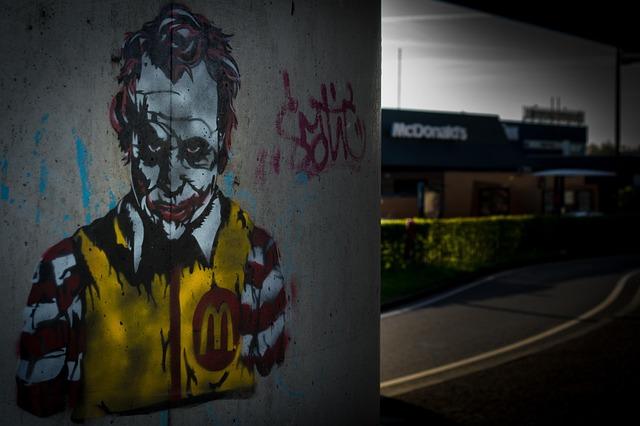
McDonald’s UK chief has vowed to press ahead with a fresh wave of investment, even as he warns that Britain is becoming an increasingly “hard to do business” habitat. In a climate marked by rising costs, regulatory pressure and fragile consumer confidence, the fast-food giant is doubling down on its UK operations, signalling a bet on long-term growth over short-term caution. The pledge, revealed in an interview with London Business News, underscores both the resilience of one of the country’s biggest hospitality employers and the mounting challenges facing firms seeking to expand on British high streets.
McDonald’s UK chief outlines investment drive amid mounting regulatory and cost pressures
Despite rising inflation, higher wages and an evolving web of health and environmental rules, the fast-food giant’s UK chief has doubled down on a multi-year investment plan aimed at keeping restaurants modern, digital and locally rooted. The strategy prioritises upgrading kitchen technology, expanding drive-thru and delivery capacity, and refreshing dining areas to attract cost-conscious consumers who are trading down from pricier eateries but still expect speed and consistency. Executives close to the program say the focus is on “sweating every asset” rather than pulling back, even as margins face pressure from escalating energy bills and tighter regulation on everything from packaging to nutritional labelling.
To balance shareholder expectations with political and public scrutiny, the company is leaning on a mix of operational efficiencies and targeted community commitments. Key elements of the plan include:
- Store refurbishments with energy-efficient equipment and redesigned front-of-house layouts.
- Digital ordering upgrades via kiosks, app integrations and improved delivery logistics.
- Workforce investment through training schemes and clearer progression routes for younger staff.
- Menu innovation tailored to UK health guidelines and shifting consumer tastes.
| Focus Area | 2025 Target | Pressure Addressed |
|---|---|---|
| Restaurant Upgrades | 90% sites refreshed | Rising operating costs |
| Digital Orders | 65% of UK sales | Labour and wage inflation |
| Energy Efficiency | 15% use cut per store | Energy price volatility |
| Health & ESG Compliance | All new rules met early | Regulatory headwinds |
How planning delays and labour shortages are reshaping fast food expansion strategies
Across the UK, the once-straightforward formula of “find a site, sign a lease, open the doors” has given way to a more cautious and data-driven playbook. Lengthy planning consultations, local opposition and complex environmental requirements are forcing brands to model multiple timelines and cost scenarios before committing to a new restaurant. Expansion teams now find themselves working as much with planners and legal advisers as with property agents, while operators increasingly favour formats that can be adapted quickly to different local conditions, such as smaller-footprint high-street outlets, drive-thru lanes retrofitted to existing car parks, and delivery-only “dark kitchens.”
At the same time, a tight labour market is pushing companies to redesign operations from the ground up. Chains are investing in:
- Kitchen automation to reduce repetitive manual tasks
- Flexible staffing models that allow employees to move between roles and locations
- Enhanced training and benefits to improve retention and cut recruitment costs
- Digital ordering and kiosks to shift staff from tills to higher-value service roles
| Strategy Shift | Main Driver | Impact on Expansion |
|---|---|---|
| Smaller urban formats | Planning delays, high rents | More sites, lower build costs |
| Automation investment | Labour shortages | Fewer staff per store |
| Delivery-only kitchens | Online demand, local resistance | Faster rollout with minimal frontage |
Leveraging technology and local sourcing to protect margins and service quality
Against a backdrop of soaring input costs and squeezed consumer wallets, the chain is doubling down on digital tools that trim waste while keeping service slick. Kitchen management systems are being fine-tuned to predict peak times, reducing overproduction and keeping ingredients fresher for longer. Front-of-house, a tighter integration of mobile ordering, self-service kiosks and data-driven menu boards allows local franchises to respond quickly to shifts in demand, pushing value items when budgets are tight and spotlighting new products when traffic is strong. The strategy is clear: use smart automation to take out friction, not people, and reallocate staff to higher-value tasks such as speed of service and customer care.
In parallel, the UK arm is leaning further into shorter, more resilient supply chains that can cushion inflation shocks without diluting standards. By sourcing more ingredients locally, it can negotiate stable contracts, cut transport overheads and respond faster to regional taste changes. This approach is filtering through to franchisees in practical ways:
- Closer producer relationships that support consistent quality and pricing
- Regional menu tweaks based on local crop availability and costs
- Lower food miles that reduce both emissions and logistics risks
| Focus Area | Tech Lever | Local Sourcing Edge |
|---|---|---|
| Cost control | Demand forecasting | Stable, nearby suppliers |
| Service speed | Integrated kiosks & apps | Fresher stock, faster prep |
| Brand trust | Order openness | Traceable UK ingredients |
Policy reforms and partnership models that could make the UK easier to do business in
Making the UK more attractive for long-term investors like McDonald’s demands a shift from piecemeal fixes to clear, predictable frameworks. Streamlined planning rules for drive-thru and city-center formats, faster approvals for refurbishments and energy-efficiency upgrades, and targeted incentives for investment in deprived areas could all materially lower friction. A refreshed approach to business rates, linking reliefs to job creation and green retrofits, would better reward operators that commit to local supply chains and apprenticeships. At the same time, coordinated skills policies – including portable hospitality qualifications and co-funded training academies – would help address chronic labour shortages that currently slow expansion and inflate operating costs.
Alongside regulatory changes, new forms of collaboration between government, councils and major employers could unlock growth at pace.National brands are increasingly open to sharing data and investment in exchange for predictability and speed, opening the door to:
- Local Growth Compacts – multi-year agreements tying planning fast-tracks and rate stability to concrete targets on jobs, training and community investment.
- Co-investment hubs – pooled public-private funds to modernise high streets, upgrade transport links and roll out EV charging across retail parks.
- Sector skills partnerships – hospitality-led consortia designing curricula with colleges and universities to meet real-world demand.
| Model | Main Benefit | Business Impact |
|---|---|---|
| Growth Compacts | Policy certainty | Faster site roll-out |
| Co-investment hubs | Shared infrastructure | Lower entry costs |
| Skills partnerships | Stable talent pipeline | Reduced recruitment risk |
To Wrap It Up
As McDonald’s doubles down on its UK footprint,O’Mara’s pledge underlines a broader tension facing corporate Britain: the need to invest for long-term growth in an environment many executives say is increasingly unforgiving.Whether this strategy ultimately pays off will depend not only on the chain’s ability to adapt to shifting consumer habits and rising costs, but also on how far policymakers go in easing the pressures on operators across the high street.
For now, McDonald’s is signalling that it intends to stay on the front foot – betting that scale, brand power and continued capital spending can outpace the headwinds. In a market where some rivals are pausing or pulling back, that stance could help define the next chapter of the UK’s fast-food and casual dining landscape.