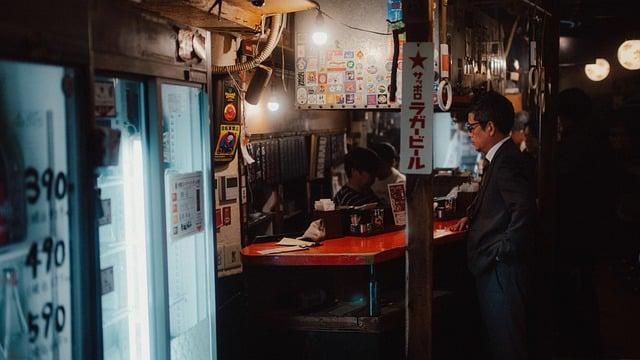
London’s pubs and restaurants, already navigating a fragile post-pandemic recovery, are facing a fresh wave of turmoil as strike action brings trade to a standstill across the capital. Transport walkouts and staff shortages have combined to deter customers, disrupt supply chains, and slash footfall in once-bustling hospitality districts. From City wine bars to neighbourhood gastropubs, businesses report sharp drops in revenue and mounting uncertainty, prompting urgent questions over how long the sector can absorb the financial shock of ongoing industrial unrest.
Economic shockwaves for London hospitality as strikes halt pub and restaurant trade
London’s eating and drinking scene is facing its toughest trading spell since the pandemic, as walkouts across rail, Underground and bus services have choked off the customer flow that sustains pubs and restaurants.Footfall in key nightlife districts such as Soho, Shoreditch and the West End has plummeted, with operators reporting that advance bookings have collapsed and large corporate reservations have been pulled at the last minute. For venues already wrestling with higher wage, energy and supply costs, the sudden disappearance of office workers, commuters and tourists has stripped away the slim margins that many relied on to see them through the slower winter months.
Hospitality owners describe a “domino effect” that now reaches deep into local supply chains and precarious employment. Staff shifts are being cancelled, casual workers sent home without pay and orders from breweries, wholesalers and food producers cut back sharply. Operators highlight how the disruption is reshaping trading patterns, forcing them to pivot towards:
- Earlier opening hours to capture daytime suburban trade
- Stripped-back menus that reduce waste and simplify kitchens
- Click-and-collect and delivery offers aimed at home-based workers
- Targeted midweek promotions to tempt local residents rather than commuters
| Area | Estimated Sales Drop | Typical Booking Cancellations |
|---|---|---|
| West End | -40% | 1 in 3 tables |
| City & Canary Wharf | -55% | Most corporate groups |
| Zone 2 Neighbourhoods | -20% | Primarily late-night covers |
Inside the disruption how supply chains staff shortages and transport chaos compound losses
The latest wave of industrial action is colliding with already fragile hospitality operations, creating a perfect storm of logistical headaches. Pubs and restaurants across London are facing late or incomplete deliveries, unpredictable staffing levels and spiralling costs as they try to navigate a city where both transport networks and supply lines are under strain. Managers report kegs stuck in depots, fresh produce arriving close to spoilage, and key staff unable to reach central London at peak trading hours. The result is a patchwork of forced menu cuts, reduced opening hours and a growing sense that every trading day is a gamble.
On the ground, operators describe a domino effect where one disruption quickly multiplies into several others:
- Supply gaps: Missing ingredients force last-minute menu changes and refunds.
- Staffing shortfalls: Bar teams and kitchen crews arrive late or not at all.
- Transport chaos: Customers abandon bookings rather than navigate cancelled services.
- Escalating costs: Emergency couriers and overtime pay eat into already thin margins.
| Impact Area | Typical Loss | Operator Response |
|---|---|---|
| Cancelled Bookings | Up to 40% per night | Short-notice promotions |
| Delivery Delays | Stock-outs on key lines | Menu simplification |
| Staff Shortages | Reduced capacity | Condensed shifts |
Voices from the front line London operators count cancellations spoiled stock and rising costs
Across the capital, hospitality teams describe a week that felt less like a trading period and more like a controlled shutdown.Managers in zones 1 and 2 report cancelling entire sittings as commuters never arrived, with some venues operating at less than 30% of usual covers. One Soho publican says he watched a full delivery of fresh seafood turn into write-off material in 48 hours,while a Brixton restaurateur calculates that every cancelled booking now carries a hidden surcharge of higher wages,utility bills and supplier costs. The damage is not confined to the evening rush; coffee bars near major stations describe a “ghost town” effect,with takings down by more than half by mid-morning.
- Last-minute group cancellations leaving private dining rooms empty.
- Perishable ingredients binned as footfall collapses without warning.
- Staff hours cut or redeployed at short notice to stem cash burn.
- Energy and rent still accruing, despite near-silent tills.
| Area | Avg. Booking Drop | Stock Wasted (per day) |
|---|---|---|
| Central London pubs | −55% | £400-£600 |
| Station-front cafés | −60% | £150-£250 |
| Destination restaurants | −45% | £500-£800 |
Operators say the financial strain is compounded by a sense of planning in the dark. Many describe building rotas and placing orders on tentative forecasts, only to slash cover counts as strike timetables shift. Against a backdrop of rising input costs-from double-digit food inflation to escalating business rates-each lost service narrows already-thin margins. In candid conversations, some independents admit they are now running informal “survival lists”, ranking which sites they can afford to keep open if disruption continues through the critical summer and Christmas trading windows.
What needs to change policy fixes industry support and contingency planning to protect future trade
To prevent future walkouts from paralysing the capital’s hospitality trade, London needs a coordinated response that stretches from Whitehall to the back office of every bar. Industry bodies are pressing for targeted tax relief, including a temporary reduction in business rates and VAT for venues directly affected by transport shutdowns, alongside mandatory impact assessments before strike dates are confirmed. Sector leaders argue that these assessments should feed into a formal compensation framework funded jointly by government and operators, recognising that empty tables today mean lost jobs and shuttered premises tomorrow. Simultaneously occurring, small businesses want clearer, earlier communication from unions, rail operators and City Hall so they can adjust rotas and stock orders rather than absorbing the full shock when footfall collapses overnight.
Operators themselves are also being urged to harden their resilience. Trade groups are advising pubs and restaurants to develop written contingency plans that include:
- Flexible staffing – cross-training employees and using staggered shifts when transport is disrupted.
- Choice logistics – partnering with local suppliers and on-demand couriers to secure deliveries.
- Channel diversification – boosting click-and-collect, meal kits and direct delivery on strike days.
- Digital demand shaping – using dynamic pricing, timed offers and online booking nudges to fill quieter slots.
| Measure | Main Actor | Impact on Trade |
|---|---|---|
| Strike impact assessments | Government & unions | Reduces last-minute shocks |
| Targeted tax relief | Treasury | Buffers cashflow hits |
| Compensation scheme | Public-private fund | Supports at-risk venues |
| Contingency playbooks | Operators | Improves day-of response |
Final Thoughts
As the capital grapples with yet another wave of industrial action, the full economic toll on London’s pubs and restaurants is only beginning to emerge. What is clear already is that these strikes are not isolated inconveniences; they are reshaping trading patterns, eroding fragile margins and testing the resilience of a sector still recovering from the pandemic.For operators, the immediate challenge is survival: recalibrating staffing, supply chains and opening hours around an increasingly unreliable transport network. For policymakers and transport leaders, the stakes are broader, touching on the city’s long-term appeal as a place to live, work and spend.Whether London’s hospitality scene can adapt quickly enough – and whether a sustainable compromise can be reached between workers’ demands and the need to keep the city moving – will determine if these disruptions mark a temporary setback, or a lasting shift in how London does business after dark.