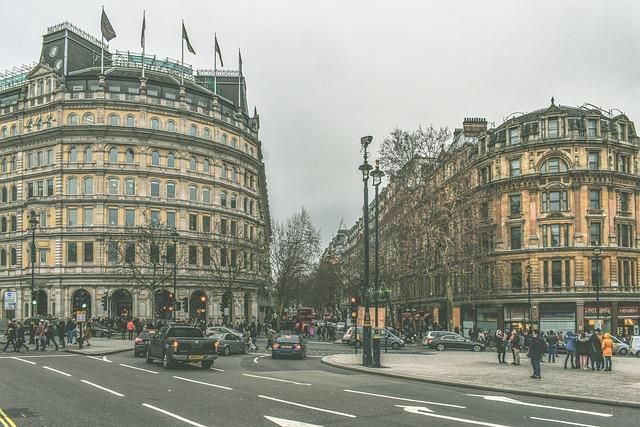
Downtown London is making a renewed push to draw shoppers back to local storefronts, as independent retailers struggle to reclaim foot traffic lost to big-box chains and online giants.A new campaign,backed by business groups and city officials,aims to re-energize the core by spotlighting homegrown shops,restaurants and services that give the area its character. As the city works to redefine what a vibrant downtown looks like in a post-pandemic economy, merchants are betting that a more personal, community-focused shopping experience can convince residents to spend their dollars closer to home.
Revitalizing the core Downtown London’s push to bring shoppers back to local retailers
After years of competing with big-box plazas and one-click delivery,the city’s center is betting on experience,atmosphere and a renewed sense of community to draw people through the doors of independent shops. Street-level storefronts are being refreshed with curated window displays, flexible pop-up spaces and extended evening hours designed to sync with office workers, students and visitors lingering after events. City partners and business associations are layering in pedestrian-pleasant touches – from improved lighting and wayfinding to seasonal programming – in a bid to make browsing feel less like a chore and more like a ritual. The aim is to create a walkable corridor where grabbing a coffee, discovering a new boutique and staying for dinner all happen within a few blocks.
Local entrepreneurs are responding with more collaborative strategies, leaning into what big retail can’t easily replicate: personality, proximity and personal service. Sidewalk activations and cross-promotions are becoming more common, with merchants coordinating themed shopping nights and neighbourhood-wide offers that reward customers for visiting multiple locations in one trip. Among the initiatives being piloted:
- Experience-first retail with in-store workshops, demos and tastings.
- Shop-local loyalty passes that span several independent businesses.
- Event-linked discounts tied to concerts,markets and cultural festivals.
- Short-term pop-ups giving online brands a low-risk way to test the street.
| Initiative | Main Focus | Shoppers’ Benefit |
|---|---|---|
| Evening Retail Hours | After-work crowd | More flexible visit times |
| Neighbourhood Pass | Multi-store visits | Stackable local rewards |
| Seasonal Street Events | Vibrant public realm | Shopping plus entertainment |
Inside the strategy Incentives promotions and events designed to boost foot traffic
At the heart of the downtown push is a coordinated lineup of perks aimed at turning casual browsing into purposeful visits.Storefronts are syncing their calendars to launch timed offers that reward in-person shopping – from “lunch hour flash deals” to evening bundle discounts that encourage patrons to visit more than one business on the same trip.Digital punch cards, scannable at multiple locations, promise rewards after a set number of purchases, while small but symbolic gestures – such as free coffee with a receipt from a neighbouring shop – are meant to reinforce a sense of shared local ecosystem rather than isolated retailers competing for the same dollar.
- Cross-store loyalty passes that stack discounts across participating boutiques
- Weekend “shop and stay” offers paired with nearby restaurants and hotels
- Pop-up markets curated around themes like enduring fashion or local makers
- After-work mini festivals with live music, street performers and late shop hours
| Initiative | Main Hook | Expected Impact |
|---|---|---|
| Downtown Passport | Stamp at 5 stores, unlock a reward | Longer visits, multi-store sales |
| First Friday Nights | Live music, art, late shopping | Boost in evening foot traffic |
| Local Perks Card | Exclusive in-store only discounts | Shift from online to street-level buys |
Event programming is being treated as a standing commitment rather than a one-off spectacle. Regular “First Friday” art walks, seasonal street fairs and small-scale performances are mapped to peak and off-peak periods to smooth out the ebb and flow of visitors. Retailers say the goal is to make downtown feel less like a transactional corridor and more like a social calendar: a place where shoppers can stumble upon a busker outside a bookstore, a tasting session at a specialty grocer, or a last-minute maker workshop advertised on a sandwich board. The strategy leans on the one thing e-commerce can’t offer – a densely packed, serendipitous experience that rewards showing up in person.
Voices from the street What small business owners say they need to survive
Inside narrow storefronts and long-standing family shops, owners describe a daily calculation that feels increasingly unforgiving. Many say foot traffic has yet to return to pre-pandemic levels, even as rents, insurance and inventory costs move in only one direction. They talk about the need for predictable support rather than one-off campaigns: measures like stable commercial tax rates, grants tied to digital upgrades and coordinated events that draw people downtown more than once a season. Several point to the gap between weekday office workers and weekend visitors, arguing that any revitalization strategy must serve both patterns, not just headline-making festivals.
Storefront voices also converge around a handful of practical fixes that, in their view, could make or break the next few years. Owners want shoppers,city officials and landlords to understand that survival now depends on a mix of policy,promotion and basic street-level comfort.
- Consistent safety and cleanliness so customers feel at ease lingering downtown.
- Affordable, clearly signed parking with short-stay options near key retail blocks.
- Year-round programming that turns casual visits into habits, not just holiday spikes.
- Marketing support that highlights independent shops alongside major chains.
- Flexible leases that recognize seasonal swings and economic uncertainty.
| Owner priority | What they say it does |
|---|---|
| Lower small-biz taxes | “Gives us room to hire one more person.” |
| Better signage & wayfinding | “Helps visitors actually find us.” |
| Shop-local campaigns | “Reminds people we’re still here.” |
| Night-time events | “Keeps lights on after 5 p.m.” |
The road ahead Policy fixes transit links and marketing moves to sustain a vibrant downtown retail scene
City planners and business advocates are quietly sketching out a new playbook: make it effortless to get downtown, then irresistible to stay. That means synchronizing transit schedules with peak shopping hours, piloting low-cost weekend passes, and strengthening links between bus routes, bike lanes and parking garages so visitors can move easily from transit hubs to storefronts. Simultaneously occurring, merchants are pushing for sharper, story-driven campaigns that highlight downtown’s mix of legacy shops and new independents, replacing generic slogans with focused neighbourhood branding. Early concepts include coordinated window displays,geo-targeted promotions tied to transit apps and curated walking routes that guide people from major bus stops to clusters of locally owned stores.
Underneath these ideas is a recognition that retail recovery isn’t just about sales, but about making the core feel like a daily destination, not a last resort. Stakeholders are talking about layered strategies that blend infrastructure with experience,such as:
- Integrated fare + discount pilots where transit tickets unlock in-store deals.
- Wayfinding upgrades with clear, lit signage from bus stops to key retail streets.
- Seasonal marketing “bursts” aligning festivals, late-night service and shop hours.
- Data-sharing pacts so merchants can track traffic patterns and tailor promotions.
| Focus Area | Key Move | Intended Impact |
|---|---|---|
| Transit | Weekend express routes | Faster trips to shop streets |
| Marketing | “Shop Local London” campaigns | Stronger local identity |
| Public Realm | Pedestrian-first blocks | Longer visits, safer feel |
| Business Support | Joint promotions & events | Shared foot traffic lift |
To Conclude
As London’s core continues to redefine itself, city officials and business owners alike are betting that a renewed focus on local retailers can help restore the downtown’s vibrancy. Whether those efforts translate into sustained foot traffic and stronger sales will depend not only on new strategies and incentives, but on whether residents choose to shift more of their spending closer to home.
For now, the push to draw shoppers back onto main streets and into independent shops marks a clear signal: the future of downtown London won’t be decided solely by large chains or online carts, but by the willingness of local consumers to reconnect with the businesses on their doorstep.