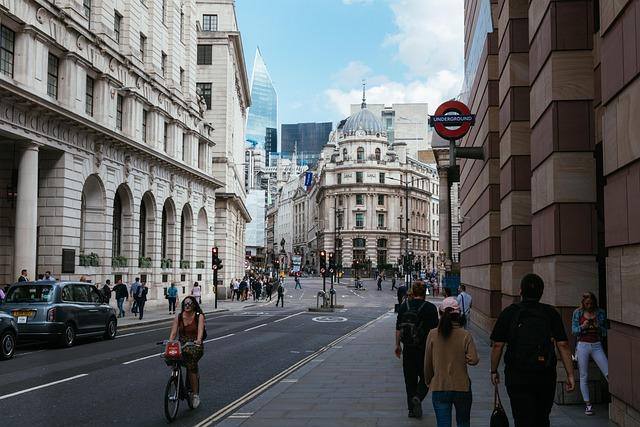
Once a bustling artery of local life, this North London high street now finds itself overshadowed by a reputation for crime and neglect. Residents and traders speak of a place where phone snatchings have become almost routine, shoplifting eats into already-thin margins, and the spectre of knife violence deters customers from lingering after dark. Despite its rows of self-reliant businesses and long-standing community ties,the area is dogged by a sense that it has been left to fend for itself,with stretched police resources and dwindling council attention. This is the story of how one of the capital’s everyday shopping streets has come to symbolise the pressures facing London’s neglected neighbourhoods – and the people still fighting to turn it around.
Rising phone snatchings and shoplifting on a forgotten North London high street
On weekday afternoons, when the school rush overlaps with commuters spilling out of the station, the pavements turn into hunting grounds for opportunistic thieves. Residents describe mopeds mounting the kerb,riders snatching smartphones from outstretched hands before disappearing down side streets where street lighting flickers or fails altogether. Shopkeepers, already battling rising costs, now keep one eye on the door and another on the CCTV monitor as brazen shoplifters sweep shelves into bags, knowing that police response times can be slow and prosecutions rare. Locals say this sense of impunity has become embedded, eroding what little trust remains between the community, law enforcement and the authorities responsible for keeping the high street safe.
The impact is felt not just in crime statistics but in everyday decisions: parents choosing longer routes home,traders closing early and younger people avoiding evening meet-ups altogether. Once-busy corners are now dotted with handwritten signs warning thieves they are “on camera”,and some businesses have resorted to hiring private security. Residents point to a pattern of neglect, claiming that without visible patrols, better lighting and coordinated support for vulnerable shops, the high street will continue its slide from bustling commercial artery to corridor of fear. Among the changes locals say they need most are:
- More visible policing during peak hours and school run times
- Improved lighting and functioning CCTV along key stretches
- Support for small businesses facing repeated theft and damage
- Youth outreach projects targeting areas where gangs recruit
| Time of Day | Most Reported Incidents |
|---|---|
| School run | Phone snatchings near bus stops |
| Early evening | Shoplifting in mini-markets |
| Late night | Knife-related threats and robberies |
How knife crime and antisocial behaviour are reshaping daily life for residents and traders
On this stretch of North London high street,daily routines have been quietly rewritten by fear and vigilance. Parents time school runs to avoid dusk, glancing over their shoulders at every corner where scooters idle or groups of teenagers gather. Shoppers tuck phones deep into zipped pockets, crossing the road to avoid rowdy clusters outside chicken shops, while older residents say they now “plan” their errands like military operations, sticking to busy hours and well‑lit routes. For many, the casual decision to pop out for milk has morphed into a risk calculation, as stories of knife incidents, phone snatchings and brazen shoplifting travel faster than any official warning. The once‑familiar chorus of buskers,traders and schoolkids has been replaced by a quieter,more suspicious soundtrack: shutters clanging down early,muttered complaints about “another incident”,and the constant buzz of anxious phones in neighbourhood WhatsApp groups.
Traders, meanwhile, are adapting their businesses in ways that speak volumes about the new normal. Some small shops now operate behind half‑closed shutters, letting in only one or two customers at a time after dark, while others have stripped displays of high‑value goods and installed extra cameras that do little more than capture the same masked faces. Staff are trained to back away from confrontations, not protect the stock, and many describe a climate where calling the police feels more symbolic than practical. In one corner shop, a faded poster advertises a community fun day, pinned next to a fresh notice warning of zero‑tolerance on abuse and theft – a visual reminder of how hopes for regeneration have been overshadowed by survival tactics.
- Residents avoid side streets and dim alleyways after sunset.
- Shop workers report repeated thefts by the same offenders.
- Parents escort teenagers to bus stops once considered safe.
- Older people rely more on deliveries to avoid the high street.
| Daily Life | Before | Now |
|---|---|---|
| Evening shopping | Casual, unplanned | Timed, often avoided |
| Use of phones | Open on pavements | Hidden or not used |
| Shopfronts | Luminous and open | Shutters, locked cabinets |
| Community feel | Relaxed, sociable | Wary, defensive |
Why underfunded policing and fraying community services are fueling the local crime spiral
Years of shrinking budgets have left local officers racing from call to call, with little time for the slow, visible beat policing that once kept trouble in check. Residents describe dialling 999 for shoplifters clearing shelves in broad daylight,only to be told no units are available. That vacuum of authority is fertile ground for opportunistic thieves and organised gangs who know the odds of being stopped are slim.At the same time, overstretched youth services, addiction support and mental health teams have been pared back to the bone. Where there were once youth clubs and mentoring programmes, young people now gather on street corners and in fast‑food takeaways, easy prey for those recruiting runners for drug lines or pressuring them to carry knives.
Community workers warn that these cuts are not isolated decisions but part of a chain reaction that turns one struggling high street into a crime hotspot. As outreach projects close, early intervention disappears, and the first point of contact with authority becomes a police van rather than a trusted youth worker. Local traders report that repeat offenders are back on the pavement within days,cycling through a system that manages symptoms rather of causes.
- Fewer visible patrols give offenders confidence to target shoppers.
- Closed youth clubs remove safe spaces where disputes can be diffused.
- Cut social workers mean families in crisis slip through the net.
- Overloaded officers prioritise emergencies, not prevention.
| Local Pressure Point | Impact on the High Street |
|---|---|
| Youth services cut | More teenagers hanging around, easier gang recruitment |
| Reduced patrol numbers | Visible rise in phone snatchings and bag grabs |
| Stretched mental health teams | Unresolved crises spilling into public spaces |
| Underfunded victim support | Shops and residents stop reporting, skewing crime data |
Targeted patrols, better lighting and youth outreach how experts say the high street can be reclaimed
Community safety specialists stress that reclaiming this troubled strip of shops will take more than periodic police blitzes. They argue for a visible, predictable presence of officers on foot and bike, deployed using crime‑mapping data to focus on robbery and antisocial behaviour hotspots, rather than blanket patrols that move problems around the corner. Alongside this, local authorities are being urged to overhaul the street’s physical environment: brighter LED lighting, open sightlines around bus stops and alleyways, and well‑maintained shopfronts that signal guardianship rather than abandonment. Urban planners point to research showing that relatively small design tweaks can make offenders feel exposed while reassuring people who currently rush through the area with their phones buried out of sight.
- Data-led patrol routes aligned with peak crime times
- Upgraded street lighting at junctions and near transport hubs
- Youth hubs and late-opening sports spaces
- Mediation schemes to defuse local tensions
| Measure | Primary Goal | Visible Change |
|---|---|---|
| Focused patrols | Disrupt street crime | More officers on foot |
| New lighting | Increase visibility | Brighter, safer walkways |
| Youth outreach | Prevent reoffending | Workshops, mentoring |
Just as crucial, youth workers and charities say the area needs sustained investment in the young people who currently drift between school gates, takeaway counters and the shadows of side streets. They want long-term funding for mentors with lived experience of crime, pop-up studios and sports programmes that run into the evening, and partnerships with local businesses willing to offer training and part-time jobs. Experts insist that when teenagers feel seen, listened to and offered alternatives, the appeal of rapid cash from stolen phones or petty theft fades-creating a high street where residents no longer brace for trouble every time they step off the bus.
To Conclude
As traders weigh up the cost of staying and residents change their routines to feel safe, this stretch of north London finds itself at a crossroads. What happens next will depend not only on police operations and council initiatives, but on whether the community can reclaim its high street from the shadows of crime that now define it. For now, the boarded-up shutters, nervous glances and half-empty pavements tell their own story – of a once-bustling artery of local life still waiting for the kind of sustained attention its problems demand.