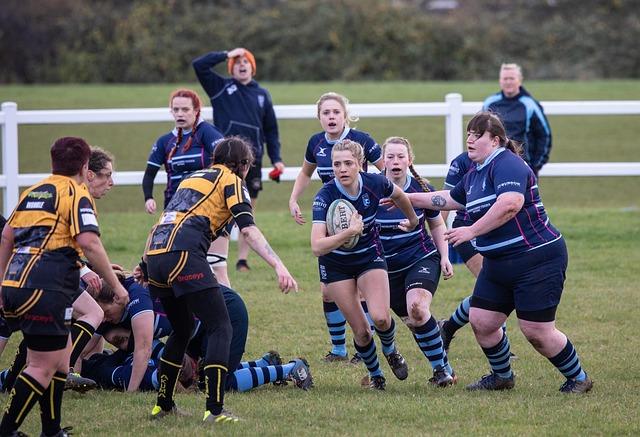
As two of rugby’s oldest standard-bearers prepare to collide once more, London Scottish versus Blackheath offers far more than another line in the fixture list. Steeped in 19th-century origins and woven into the fabric of the sport’s evolution, these clubs carry with them a heritage that predates the professional era by more than a century. Now, with the cameras rolling and national attention sharpened by BBC coverage, their latest meeting promises a compelling blend of tradition, rivalry and modern pressure.From league implications to the stories behind the shirts,this clash provides a rare window into how historic institutions are fighting to remain relevant and competitive in an ever-changing rugby landscape.
Match analysis London Scottish vs Blackheath on BBC and what the scoreline does not tell you
On paper, the final numbers suggested a routine win, yet the broadcast on BBC Sport revealed a contest shaped far more by territory battles, tactical kicking and moments of sheer resilience than by headline scores.The key periods came in the ten minutes either side of half-time, when London Scottish used their bench intelligently and tightened their defensive spacing, forcing Blackheath to play from deeper and under more pressure. That shift didn’t instantly translate into points, but it changed the rhythm of the game: line speed increased, ruck ball slowed, and mistakes crept into Blackheath’s previously slick phases. What looked like a comfortable margin by the final whistle had, for long stretches, the texture of a one-score thriller, with both sides exchanging blows in the contact area and using grubbers and cross-field kicks to search for mismatches out wide.
The broadcast angles and pitch-side microphones also highlighted nuances absent from a scoreline graphic: senior players directing traffic, defensive leaders calling late lineout changes, and a quiet but visible psychological swing after a crucial turnover near the Scottish 22. These details fed into a series of micro-contests that defined the evening:
- Breakdown duels – counter-rucks and jackals turning near-certainties into sudden reversals.
- Kicking chess – not just distance,but hang-time and chase discipline dictating momentum.
- Set-piece pressure – scrums used as platforms to win penalties, not merely to restart play.
| Key Metric | London Scottish | Blackheath |
|---|---|---|
| Metres gained after contact | +60 | +35 |
| Territory (2nd half) | 58% | 42% |
| Turnovers in own 22 | 1 | 3 |
| Line breaks converted | 4/7 | 2/6 |
Key tactical battles where London Scottish gained the edge and how Blackheath can respond
London Scottish repeatedly exploited the contact zone and kick-chase pressure to tilt momentum. Around the fringes, their carriers targeted the inside shoulders of Blackheath’s guards, forcing narrow defensive shapes and creating space for incisive second-phase moves. Smart use of cross-field kicks and contestable bombs turned broken play into an attacking platform, with back-three players reading the flight early and winning the aerial duels. In the red zone, they relied on a well-drilled maul to sap energy and draw in extra defenders, opening up short-sided raids off the scrum-half. These micro-battles, rather than headline-grabbing line breaks, gradually shifted territory and scoreboard pressure.
- Contact dominance: Aggressive clear-outs and swift ball at the ruck.
- Territorial kicking: Pinning Blackheath in the corners and forcing hurried exits.
- Set-piece focus: Power mauls and stable scrums as launchpads.
- Defensive reads: Fast line speed to shut down Blackheath’s first receiver.
| Area | Scottish Advantage | Blackheath Response |
|---|---|---|
| Breakdown | Faster recycle | Deploy jackal threat early |
| Kicking Game | Better chase lanes | Deeper back-field coverage |
| Maul | Forward momentum | Hit low,sack quickly |
| Width | Quick transfer to edge | Compress,then fan out with dialogue |
For Blackheath,the adjustment is about disrupting rhythm rather than chasing miracle plays. At the breakdown, they must commit selectively, sending in a dedicated jackal to slow ball while keeping numbers in the defensive line. In the air, they can blunt the kick-chase threat with improved spacing and a clearer calling system among the back three, ensuring the catcher has support on the ground. Matching the maul means attacking the lifter’s legs early and refusing to allow the drive to set. If Blackheath can combine tighter discipline in these micro-contests with sharper exits and more accurate kicks to touch, they can turn the same tactical frames that favoured London Scottish into platforms of their own.
Individual performances that shaped the contest and the emerging talent to watch
While the scoreline will dominate headlines, this clash was defined by a handful of individuals who bent the rhythm of the match to their will. For London Scottish, fly-half Callum Hayes dictated tempo with a mature kicking game, repeatedly pinning Blackheath into the corners and forcing them to play from deep. Behind him, captain Rory McLean was the emotional barometer, marshalling the defensive line with relentless communication and a series of dominant tackles that set the tone in the contact area. On the other side, Blackheath’s veteran No. 8 Tom Sinclair provided their primary go-forward, carrying in heavy traffic and dragging defenders over the gain line, while full-back Elliot James offered constant counter-attacking threat, turning loose kicks into quick-strike platforms.
Amid the established names, a new layer of promise quietly took shape. London Scottish wing Jayden Clarke, still in his early twenties, showcased the kind of acceleration and spatial awareness that scouts note in thick black ink, twice slicing through half-gaps to flip momentum at key moments. Blackheath responded with their own emerging spark in scrum-half Ben Cartwright, whose sharp service and instinctive support lines hinted at a player ready to step into a bigger stage. Their contributions may not yet command the back-page headlines, but they are already reshaping selection conversations and hinting at where both clubs’ futures might be headed.
- Key veterans set tactical direction and emotional tone.
- Young backs injected pace and unpredictability in broken play.
- Back-row leaders controlled collisions and breakdown tempo.
- Half-backs emerging as long-term strategic assets.
| Player | Club | Role | Impact Highlight |
|---|---|---|---|
| Callum Hayes | London Scottish | Fly-half | Controlled territory with precise kicking |
| Rory McLean | London Scottish | Flanker | Led defensive line speed and physicality |
| Tom Sinclair | Blackheath | No. 8 | Repeated gain-line wins under pressure |
| Jayden Clarke | London Scottish | Wing | Line breaks that shifted game momentum |
| Ben Cartwright | Blackheath | Scrum-half | Quick distribution and support running |
What London Scottish and Blackheath must improve before their next BBC televised fixtures
Under the studio lights, the smallest flaws look like glaring weaknesses, and both clubs will need sharper edges when the cameras roll again. For London Scottish, consistency across 80 minutes is non‑negotiable: phases of high-tempo, clever rugby are still too frequently enough followed by lapses in concentration. Their defensive spacing out wide remains fragile, particularly after multiple phases, and too many exits rely on rushed, low-percentage kicks. Blackheath, by contrast, must tidy up their discipline and breakdown accuracy; the penalty count is gifting opponents territory, while slow ball from rucks is blunting what should be a perilous backline. In a broadcast era where data is dissected in real time, these shortcomings are not just tactical issues, but also narrative lines that shape how both clubs are perceived by a national audience.
Coaches from both sides will focus on tightening key performance indicators that can quickly shift a televised contest from frantic to controlled. Expect targeted work on:
- Game management: Smarter decision-making in the final 10 minutes of each half.
- Set-piece reliability: Cleaner lineout calls and a more stable scrum platform.
- Discipline under pressure: Fewer penalties in the red zone and on kick chase.
- Transition speed: Faster organisation when possession is turned over.
| Area | London Scottish Focus | Blackheath Focus |
|---|---|---|
| Defense | Wider channel spacing | First-up tackle completion |
| Attack | Structured phase patterns | Quicker ball to 10 and 13 |
| Discipline | Reduced breakdown penalties | Cleaner offside line |
| Composure | Calm exit strategy | Closing out tight scores |
To Wrap It Up
As the final whistle blows on this chapter of London Scottish vs Blackheath, the fixture once again underlines why it remains a cornerstone of the English club game. Rooted in history yet constantly evolving, it offers a window into rugby’s enduring appeal: committed performances, tactical nuance and a loyal supporter base that spans generations.
Whether contested under the Friday night lights or on a blustery Saturday afternoon,this rivalry continues to resonate far beyond the touchline.And as both clubs look ahead to the challenges of the season to come, one thing is certain: whenever London Scottish and Blackheath share a pitch, the story is never just about 80 minutes of rugby, but about the legacy of a sport that refuses to stand still.