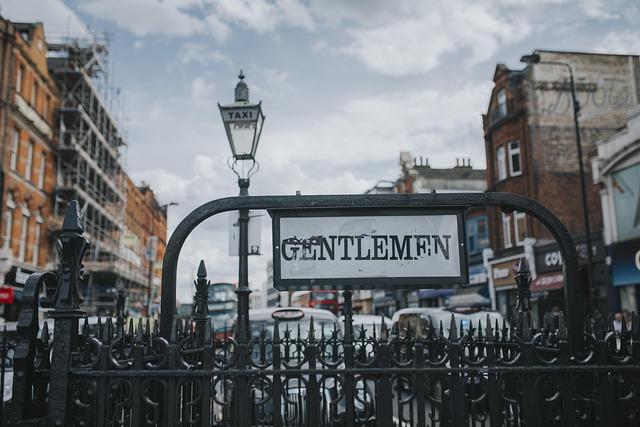
After months of subdued activity and stubbornly quiet shopping districts, Britain’s high streets finally showed signs of life in March.New data reveals a marked rebound in footfall across key retail destinations, offering a tentative boost to hard-pressed businesses and local economies. From London’s flagship shopping avenues to regional town centres, consumer traffic picked up pace, suggesting that improving confidence, easing cost-of-living pressures, and a fuller events calendar are beginning to lure people back to bricks-and-mortar stores. Yet behind the headline recovery, the figures also highlight a fragile revival, uneven across locations and sectors, and leave open the question of whether this momentum can be sustained into the crucial months ahead.
High street footfall rebounds in March revealing uneven recovery across London districts
After a muted start to the year, shopper numbers climbed steadily in March, driven by warmer weather, the early Easter trading window and a modest uptick in commuter confidence.Yet the recovery has been far from uniform. Prime central locations such as the West End and Covent Garden reported strong gains as tourists returned and office workers edged back to their desks, while several outer boroughs continued to trail pre-pandemic volumes. Retail analysts note that a combination of hybrid working patterns, shifting consumer habits and local transport connectivity is reshaping traditional shopping routes, with some once-busy corridors now relying heavily on weekend leisure traffic and destination dining.
This patchy bounce-back is underscored by fresh data showing clear winners and laggards across the capital’s main shopping districts. Independent-led high streets in residential neighbourhoods are generally holding onto the gains made during lockdown, but face renewed competition from revitalised city-center flagships and revamped retail-led experiences. Local authorities and business betterment districts are responding with targeted marketing, street environment upgrades and event-led activation to stabilise weekday footfall and support smaller operators that remain exposed to cost pressures and changing consumer expectations.
- Central hubs: Boosted by tourism and office returns
- Neighbourhood parades: Sustained by local spend but margin-squeezed
- Transport-led locations: Highly sensitive to commuter patterns
- Leisure clusters: Relying on evening and weekend peaks
| District | March Footfall vs Feb | Key Driver |
|---|---|---|
| West End | +11% | Tourism & events |
| Canary Wharf | +6% | Office occupancy |
| Hackney Central | +4% | Local leisure spend |
| Outer Suburbs (avg.) | +2% | Weekend trade |
Consumer behaviour shifts driving the resurgence from office workers to weekend destination shoppers
After years of catering primarily to the lunchtime rush and post-work commuters, city centres are now seeing shoppers arrive with very different intentions. The new pattern is driven by hybrid work, with fewer people tied to rigid office hours and more willing to travel in for curated weekend experiences rather than daily necessities. Retailers report that visitors are staying longer, visiting fewer locations per trip, and prioritising areas that offer a blend of culture, retail and dining in a single, walkable catchment.This is shifting demand away from swift-serve formats and towards concepts that can anchor a day out, from experiential flagships to premium food courts and independent boutiques.
Alongside this, spending decisions are becoming more considered and more digitally informed. Shoppers increasingly plan their visits in advance, often consulting social media and brand apps to build what amounts to a personalised itinerary. High streets that succeed in this environment are adapting by creating reasons to linger and layering in services that support a “day in town” mindset, such as click-and-collect hubs and flexible spaces for pop-ups.Key behavioural patterns emerging across London’s urban high streets include:
- Experience-first visits – consumers prioritise events, in-store entertainment and local culture over routine purchases.
- Destination dining – restaurants, cafés and food markets are becoming primary trip drivers, not ancillary add-ons.
- Group-oriented spending – visits are more frequently made with friends or family, amplifying basket size per trip.
- Cross-channel journeys – online research and reservations are tightly integrated with in-person browsing and buying.
| Visitor Type | Typical Visit Time | Main Motive |
|---|---|---|
| Hybrid worker | Friday afternoon | Combine meetings with social plans |
| Weekend group | Saturday midday-evening | Leisure, dining and entertainment |
| Day-trip visitor | Sunday late morning | Planned shopping and cultural visits |
Challenges behind the headline figures inflation vacancies and the threat to smaller independents
Behind the upbeat footfall figures, operators are grappling with an unforgiving cost base that has risen far faster than sales. From soaring energy bills and higher staff wages to stubborn business rates, the inflationary squeeze is eroding already slim margins, particularly for owner‑managed shops, cafés and salons. Many independents report that they are trading harder for less reward, forced to make tough calls on opening hours, product ranges and staffing levels just to stay afloat. Even in locations where shopper numbers have bounced back,spending per head is frequently enough weaker,as customers remain cautious and increasingly price‑sensitive.
At the same time, vacancy rates mask a quiet churn on the high street, as small brands exit and are replaced-if at all-by larger chains or short‑term pop‑ups able to shoulder higher fixed costs. For micro‑retailers and hospitality businesses, access to capital, negotiating leverage with landlords and the ability to absorb shocks remain limited. The result is a growing risk of homogenisation, where distinctive local traders are squeezed out, undermining the very character that draws people back to town centres.
- Rising costs: Energy, wages and insurance climbing faster than turnover.
- Rental pressure: Long leases and upward‑only reviews locking in high overheads.
- Fragile demand: Footfall up, discretionary spend still under pressure.
- Limited buffers: Independents carrying smaller cash reserves and less credit.
| High Street Factor | Large Chains | Small Independents |
|---|---|---|
| Rent Negotiation | Portfolio leverage, corporate covenants | Individual leases, weaker bargaining power |
| Cost Inflation | Spread across multiple sites | Hits single‑site P&L directly |
| Brand Visibility | National marketing budgets | Reliant on local loyalty and word of mouth |
| Resilience to Shocks | Access to finance, deeper reserves | Thin buffers, higher closure risk |
Policy moves and practical steps for retailers to sustain momentum on the high street
To convert March’s welcome surge in visitors into a durable trend, retailers need a blend of responsive policy support and street-level innovation. Local authorities can lead by simplifying planning rules for pop-ups and shared trading spaces, introducing targeted business rates relief for independents, and ring‑fencing funds for evening‑economy initiatives that keep lights on after 6pm. At the same time, transport and policing strategies should prioritise safe, well‑lit routes and late‑night services that make town centres feel accessible and secure. Retailers can then build on this platform by collaborating with councils on data‑sharing pilots, combining anonymised footfall and spend data to shape smarter opening hours, staffing levels and event calendars.
- Rebalance costs: lobby for time‑limited rate reductions tied to investment in shopfronts or energy efficiency.
- Curate experiences: mix retail with culture – in‑store talks, maker demos, live music and micro‑galleries.
- Go phygital: offer click‑and‑collect hubs, QR‑driven product discovery and app‑based loyalty schemes redeemable in‑store.
- Share space: sublet under‑used floors to start‑ups, repair services or co‑working studios to diversify footfall.
- Programme the calendar: coordinate with neighbours on themed weekends, late‑night openings and cross‑store promotions.
| Action | Lead Stakeholder | Quick Win |
|---|---|---|
| Business rates holiday for new independents | Council | Fill empty units faster |
| Monthly “Open Late” district night | Retailers’ group | Boost dwell time & F&B spend |
| Shared click‑and‑collect hub | Landlord + tenants | Increase repeat visits |
| Footfall & spend data dashboard | BID / council | Align stock and staffing to peaks |
Future Outlook
As retailers look ahead to the crucial spring and summer trading periods,March’s rebound offers a cautiously optimistic signal that shoppers are returning to physical stores in greater numbers. Yet with consumer confidence still fragile and structural challenges far from resolved, sustained recovery will depend on how well high streets adapt to changing habits, cost pressures and the enduring pull of online shopping.
For now, the uptick in footfall provides a timely boost for local economies and a reminder that, despite repeated predictions of its decline, the high street remains a central part of the UK’s commercial and social fabric.