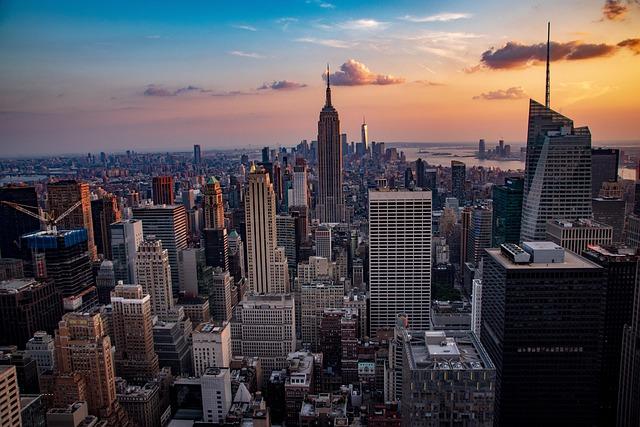
On once-gritty Manhattan blocks now lined with velvet ropes and discreet brass plaques, a distinctly British import is stirring local resentment. A new wave of London-style private members’ clubs-ultra-curated enclaves promising exclusivity, networking, and “global creative communities”-has arrived in New York, bringing with it eye-watering membership fees, strict guest lists, and a different vision of urban life. As these clubs multiply in former industrial spaces and historic brownstones, many New Yorkers say their neighborhoods are being transformed into playgrounds for the global elite, with rising prices, late-night noise, and a creeping sense that the city is being reshaped around people who don’t actually live there.
Historic exclusivity meets urban fatigue How London style members clubs are reshaping New York neighborhoods
On cobbled side streets once defined by corner delis and downstairs bars, discreet brass plaques and velvet ropes now signal a different kind of community: invitation-only, algorithmically curated, and paid for in hefty monthly dues. These clubs import a distinctly British formula of heritage aesthetics and controlled access into New York’s more frenetic streetscape, offering soundproofed lounges, phone-free dining rooms and rooftop terraces that quarantine members from the city’s noise and crowds. For some locals, the arrival of these spaces feels less like hospitality and more like a velvet-lined takeover, as buildings that once housed walk-up apartments or small businesses are retrofitted into multi-story pleasure machines for an international set that treats the neighborhood as backdrop rather than home.
Yet for every resident frustrated by late-night car services and sidewalk queues, there are others who see these clubs as a stabilizing anchor in corridors ravaged by pandemic vacancies and rising commercial rents. Their operators promise curated culture and economic uplift, folding in local flavor through artist residencies and chef collaborations, even as critics argue this is place-branding masquerading as community-building. The tension plays out in small, telling details:
- Design: faux-Georgian paneling and oil portraits framed against raw brick and industrial beams
- Programming: poetry readings upstairs while DJs test noise complaints downstairs
- Access: “neighborhood-kind” hours that still push late-night traffic onto residential blocks
- Language: brochures promise “sanctuary” and “discretion” where tenants recall “displacement” and “rent hikes”
| Club Promise | Local Reality |
|---|---|
| “Revitalized street life” | More delivery trucks and ride-share drop-offs |
| “Creative community hub” | Members-only doors and security buzzers |
| “Respect for neighborhood character” | Rents drifting out of reach for legacy tenants |
From cultural cachet to community clash Why local residents bristle at private clubs on their blocks
For city-dwellers who already endure construction noise, delivery congestion and spiralling rents, the arrival of a velvet-rope clubhouse can feel less like cultural enrichment and more like an incursion. What reads as prestige to investors often translates into late-night car doors slamming, idling black SUVs and bouncers presiding over once-quiet stoops. Neighbours complain that these venues, imported from London’s high-end hospitality scene, rebrand their streets as lifestyle backdrops, not lived-in communities. The symbolism stings: a building that once housed rent-stabilised tenants or a corner diner is reborn as a sanctuary for those who can afford four-figure annual fees, while the people who have kept the block alive for decades are left outside, literally and figuratively.
That sense of exclusion is amplified by the discreet design language of the clubs themselves-frosted glass, unmarked doors, strict guest lists-which signals privacy in a city built on public energy.Residents describe a familiar pattern:
- Noise creep from rooftop terraces, “private” events and spillover sidewalk conversations.
- Street takeover by rideshares, town cars and delivery vans clustered at peak hours.
- Shadow zoning, where quasi-commercial use flourishes in buildings zoned for mixed or residential life.
- Civic disconnect as club members parachute in for curated experiences but rarely engage with local schools, block associations or small shops.
| Local Concern | Club Selling Point |
|---|---|
| Night-time noise and traffic | “Vibrant nightlife hub” |
| Loss of long-time tenants | “Boutique residential conversion” |
| Rising nearby rents | “Area uplift and cachet” |
| Closed doors to neighbours | “Exclusive, members-only access” |
Zoning loopholes and soft power How real estate deals and quiet lobbying enable club expansion
Behind the velvet ropes and rooftop pools lies a web of technicalities that lets private clubs slide into neighborhoods that were never meant to host them.Developers partner with global hospitality brands to reclassify these venues as “boutique hotels,” “cultural spaces,” or even “co-working hubs,” exploiting mixed-use zoning that was originally written to encourage small businesses and arts organizations. In practice,this often means a quasi-residential block suddenly absorbs late-night traffic,valet queues and private security-without the kind of public review that a nightclub or large bar would normally trigger. The paperwork is immaculate, the language carefully massaged, and the result is an exclusive social hub in what reads, on city documents, like a benign commercial use.
- Rebranding of clubs as “arts” or “wellness” spaces to bypass scrutiny
- By-right conversions of old hotels and office buildings with minimal hearings
- Community board fatigue as small, technical approvals pile up
- Cross-Atlantic networks of lawyers and lobbyists refining the playbook
| Tool | How it effectively works | Neighborhood Impact |
|---|---|---|
| Air rights deals | Buy unused space from neighbors | Taller, more imposing club buildings |
| Special permits | Case-by-case exemptions | Precedents that weaken local rules |
| Consultant reports | Downplay noise and traffic | Complaints framed as “overblown” |
None of this happens with loud public campaigns; it unfolds through discreet meetings, finely worded letters, and a steady drip of influence at the city’s less visible choke points. Lobbyists cultivate long-term relationships with planners and elected officials, positioning these clubs as job creators and cultural imports that “put the neighborhood on the map.” Residents, meanwhile, encounter a more subtle form of pressure: landlords quietly courted by global brands, local businesses nudged into partnerships, and community leaders invited to curated preview nights that promise prestige and philanthropy. By the time most New Yorkers realize just how much leverage has been exercised on their block, the key decisions have been taken in rooms they never knew existed.
Toward a livable compromise Policy fixes and community led guidelines to balance nightlife and neighborhood needs
City officials and neighborhood boards are starting to experiment with tools that encourage nightlife operators to be good neighbors instead of adversaries.Voluntary “good conduct charters,” tied to licensing and renewal, can set clear expectations on closing times, crowd management, and noise mitigation. These agreements often include soundproofing benchmarks, door staff training, and clear complaint-handling processes. Some districts are piloting late-night mediation teams-independent mediators who step in before tensions escalate into lawsuits or hostile council meetings. Crucially, data-sharing on noise levels, foot traffic, and incident reports allows both sides to argue from facts, not frustration.
- Binding community benefit clauses in leases and licenses
- Nightlife liaisons within city agencies to fast-track dispute resolution
- Resident hotlines managed jointly by clubs and local councils
- Noise and light curfews tailored block-by-block
- Periodic review panels including club owners, tenants, and small businesses
| Tool | Clubs Give | Neighbors Get |
|---|---|---|
| Soundproofing Pacts | Invest in insulation, double doors | Lower ambient noise at night |
| Staggered Closing | Phase exits over an hour | Less street chaos at 2 a.m. |
| Local Hiring | Prioritize nearby residents | Shared economic upside |
| Shared Use Spaces | Open rooms to community events | Access to cultural venues |
In Conclusion
Whether these members’ clubs ultimately embed themselves in the city’s social fabric or fade as another fleeting import will depend on how well they adapt to New York’s own codes of access, status and space. For now, their arrival has sharpened a familiar urban debate: who the city is for, and who gets to feel at home on its streets. As more velvet ropes go up and more “private” signs appear on once-public corners, New Yorkers are being forced to reconsider where exclusivity ends-and where the character of the city they thought they knew begins.