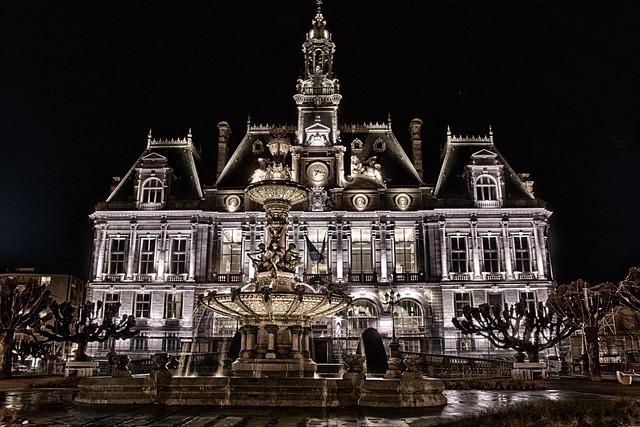
Long before it became a sanctuary for dabbers and die-hard bingo fans, this grand south London hall was a stage for musical revolution. Now, its storied past has been immortalised with one of the city’s highest cultural honours: a blue plaque. But why has a seemingly ordinary bingo venue joined the ranks of London’s most celebrated addresses? The answer lies in a hidden chapter of pop history, a legendary night in the 1960s, and a performance that helped change British music forever.
History of a south London landmark from music hall roots to modern bingo hub
Long before the soft ping of bingo balls and the clink of cocktail glasses, this corner of south London pulsed with the raucous energy of the Victorian music hall.The building began life as a theatrical palace, a place where local workers rubbed shoulders with society’s well-heeled to gawp at comedians, crooners and chorus girls under a haze of gaslight. Names that once lit up West End marquees tried out fresh material here, while Sunday concerts and charity galas turned the venue into a social anchor for the neighbourhood. As film flickered into fashion, the stage was reworked into a cinema screen, but the bones of the old auditorium – the balconies, the ornate plasterwork, the sense of spectacle – refused to disappear.
By the mid‑twentieth century, the building had reimagined itself again, this time as an improbably glamorous bingo hall. Velvet banquettes replaced wooden benches, neon took over from footlights, and the weekly draw became a ritual as codified as any curtain call. The current venue leans into that layered past, preserving period features while serving espresso martinis alongside dabbers and number cards. Today, regulars and curious newcomers sit beneath chandeliers, playing for jackpots in a space that still whispers of encores and orchestra pits.It’s a rare survivor of London’s entertainment strip-tease – shedding old costumes, keeping its soul – and a place where the city’s working‑class leisure history quietly shares a room with its new, polished nightlife.
- Opened as: Late‑Victorian music hall
- Later role: Classic single-screen cinema
- Current life: Boutique-style bingo lounge
| Era | Main Attraction | Typical Crowd |
|---|---|---|
| 1900s | Song & comedy turns | Dockers, clerks, dandies |
| 1950s | Newsreels & matinees | Families & first dates |
| Today | Designer bingo nights | Locals, hipsters, retirees |
Honouring cultural heritage why English Heritage chose this unlikely blue plaque site
What looks like an opulent bingo hall today once pulsed with a very different kind of energy: radical ideas, restless art and voices that refused to be tidied away. English Heritage’s decision to plant a blue plaque on this unlikely façade is a recognition that London’s cultural memory doesn’t live only in stately homes and leafy crescents. It lives in buildings that have shapeshifted with the city itself – from fringe theatre to community hub to gaming floor – while quietly holding on to the stories of those who passed through. In choosing this site, curators weighed not just architectural merit, but the power of a place to illuminate social change, migration and class in south London over the last century.
The plaque draws a line between what the building was and what it has become, insisting that entertainment, protest and everyday leisure all belong within the capital’s official heritage. This is where cabaret bills once rubbed shoulders with political meetings, and where working-class audiences mingled with avant-garde performers long before the area was rebranded as “posh”. That layered history is captured in more than just a sign on the wall:
- Artistic experimentation that challenged the West End mainstream
- Grassroots organising rooted in local housing and labor struggles
- Multicultural nights reflecting waves of Caribbean, Irish and South Asian communities
- Commercial reinvention from theatre to cinema to bingo, mirroring wider urban change
| Era | Main Use | Cultural Legacy |
|---|---|---|
| 1920s-40s | Neighbourhood theatre | Cheap tickets, bold new writing |
| 1950s-70s | Cinema & community venue | Immigrant film nights, local campaigns |
| 1980s-Now | Bingo hall | Everyday social lifeline, preserved façade |
Inside the legacy iconic performers local stories and the hall’s role in community life
Long before dabbers and digital number boards, the building now crowned with a blue plaque was a smoky cradle for ambition, where velvet curtains parted for acts who would later dominate West End marquees and Top of the Pops. Locals still trade memories of impromptu late-night sets: a young comic testing material on a Friday crowd half-there for the bar, half-there for the band; a soul singer borrowing the house pianist for one last encore that shook the flaking plaster. It wasn’t unusual for the same narrow backstage corridor to host crooners, drag queens and ska bands in a single week, all leaving their mark on the same pitted floorboards. In those days, the auditorium acted as a kind of neighbourhood broadcast booth, sending out the sound of south London talent long before social media feeds did the job.
Today, the bingo branding hides a quieter but no less potent civic DNA. Between jackpot calls, the hall still finds ways to act as a social anchor, hosting charity nights, union meetings and fiercely contested local quizzes. Ask regulars why the plaque matters and you’ll hear variations on a theme:
- Continuity: a reminder that tonight’s bingo caller stands where touring orchestras once tuned up.
- Belonging: for many older residents, it remains the last surviving place where they danced, dated and discovered new music.
- Memory-keeping: families return to point out balconies and doorways tied to first jobs, first kisses or last performances.
| Era | Typical Night | Local Impact |
|---|---|---|
| 1950s-60s | Variety bills and dance bands | Cheap glamour, post-war escape |
| 1970s-80s | Comedy, cabaret, political rallies | Stage for new voices and protest |
| Today | Bingo sessions, fundraisers, screenings | Warm, low-cost community living room |
What visitors should look for today guided tours architecture highlights and bingo night tips
Step through the doors and you’ll find the past and present of south London nightlife colliding in style. Join one of the informal guided walk-throughs,where staff point out the original Art Deco light wells,the sweeping staircase once graced by be-sequinned crooners and the discreet balcony said to have hosted visiting film stars. Keep an eye out for the newly mounted blue plaque, discreetly framed in brass, and the panel opposite it mapping out the building’s journey from 1930s cinema-palace glamour to today’s cocktail-and-callers scene.Between sessions, visitors gravitate to the foyer to inspect vintage program covers, a salvaged ticket booth and a small display of old membership cards that feel plucked from another London entirely.
- Architecture highlights: illuminated ceiling coves, restored velvet banquettes and a chandelier rescued from the original auditorium.
- Guided tour tips: arrive before the first evening game, ask about access to the projection room and bring a camera for the lobby murals.
- Bingo night advice: book a central table for the best caller view, try a “house special” cocktail and learn the local calls before the main game.
| Time | What to watch for | Insider tip |
|---|---|---|
| 6:30pm | Lobby tour & plaque stop | Ask why this hall changed local planning rules |
| 7:15pm | Main hall architecture notes | Look up: the ceiling hides original speaker grilles |
| 8:00pm | First bingo session | Sit near a regular and copy their card-marking rhythm |
In Summary
this blue plaque is doing much more than brightening up a smart south London facade. It’s a reminder that culture isn’t only forged in grand theatres or hallowed galleries, but in the everyday places where people gather – to talk, to flirt, to argue over a full house.
By fixing a piece of official heritage to a former bingo hall, the city is quietly admitting that popular entertainment, working-class leisure and local memory all deserve a spot in the historical record. Next time you pass that unassuming corner of south London, look up: you’re not just seeing a sign on a wall, but a small rewrite of who gets to be remembered, and why.