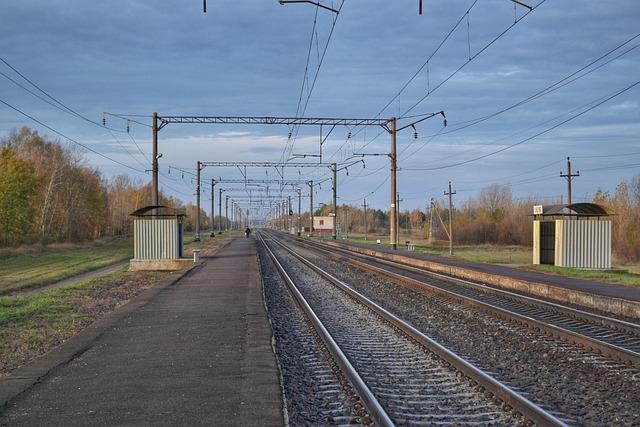
Ukraine’s latest strike on occupied Crimea has dealt a notable blow to one of Russia’s most critical military supply routes, disrupting rail links that underpin Moscow’s war effort in southern Ukraine. Targeting a key railway lifeline used to ferry troops, ammunition, and equipment to the front lines, the attack underscores Kyiv’s determination to degrade Russian logistics well behind the battlefield. As London and other Western capitals closely monitor the evolving dynamics of the conflict, the strike raises fresh questions about the resilience of Russia’s military infrastructure and the potential impact on future operations in the Black Sea region and beyond.
Strategic impact of Ukrainian strikes on Crimea’s rail corridors and Russian supply routes
By degrading key rail junctions, depots and bridges across the peninsula, Ukrainian forces are not only blowing up track but also eroding the predictability of Russian logistics. Each successful strike forces Moscow to reroute fuel, ammunition and reinforcements onto longer, more vulnerable paths through the Kerch Bridge or maritime ferries, creating bottlenecks and delays that ripple from front-line trenches to command headquarters. For Russian planners, the once-reliable Crimea corridor is turning into a contested choke point, complicating efforts to sustain heavy artillery duels, rotate exhausted units and move high-value air defense systems. The psychological effect is equally potent: what was marketed domestically as an impregnable bastion is now exposed as a liability, undermining the Kremlin’s narrative of control.
Military analysts note that Ukraine is leveraging precision strikes and long-range drones to selectively target assets that matter most for throughput, rather than simply chasing symbolic damage.This approach aims to impose a constant “logistics tax” on Russian operations by forcing costly repairs, increasing insurance risks for freight operators and stretching already thin engineering units.The evolving pattern of attacks suggests Kyiv is prioritising:
- Critical junctions that connect Crimea to mainland supply hubs.
- Fuel and ammunition depots feeding front-line groupings in southern Ukraine.
- Rail bridges and tunnels that are difficult and slow to rebuild.
- Command and control nodes coordinating rail traffic and cargo allocation.
| Target Type | Immediate Effect | Operational Impact |
|---|---|---|
| Rail junction | Traffic halt | Delayed troop rotations |
| Fuel depot | Supply shortage | Reduced armour mobility |
| Bridge segment | Route diversion | Longer transit times |
| Control center | Coordination loss | Increased congestion |
How disrupted logistics could reshape the battlefield and expose vulnerabilities in Russian defenses
As freight trains stall and supply routes are rerouted, the Kremlin’s frontline machine faces a structural test it has long tried to avoid: how to fight without seamless rail support. Russian units in southern Ukraine depend heavily on predictable,high-volume deliveries of ammunition,fuel and spare parts from depots in Crimea. Once that rhythm is broken, commanders are forced to improvise with slower truck convoys, thinner stockpiles and riskier nighttime movements that are far easier for Ukrainian drones and long-range artillery to target. The shift does not merely delay resupplies; it reshapes the tempo of combat operations, compelling Russian forces to fire less, maneuver cautiously and abandon some offensive plans altogether in order to conserve dwindling resources.
These supply shocks also illuminate weak points in Moscow’s war architecture that were previously masked by the sheer volume of materiel flowing via rail. Exposed bottlenecks, overused bridges and ad hoc fuel depots become high-value nodes that Ukraine can map, track and strike in sequence, turning logistical stress into cascading battlefield pressure. In turn,local commanders may be forced to disperse stockpiles,decentralise storage and rely on less efficient backup corridors,fragmenting what was once a relatively coherent logistics grid. That fragmentation creates new tactical openings for Kyiv’s forces, which can exploit:
- Slower mobilization of reserves and armored units
- Increased reliance on vulnerable road convoys
- Higher exposure of ammo and fuel dumps to precision strikes
- Reduced firepower at critical sectors of the front
| Logistics Target | Immediate Effect | Battlefield Result |
|---|---|---|
| Rail lines & junctions | Supply delays | Paused offensives |
| Fuel depots | Limited mobility | Static defence |
| Ammo warehouses | Rationed shells | Weaker artillery cover |
| Bridges & crossings | Isolated units | Higher risk of encirclement |
Economic and political repercussions for Crimea as a contested military transit hub
As missile strikes sever the steel arteries feeding Russian troops, Crimea’s role as a conduit for war supplies is morphing into a long-term liability for Moscow and a bargaining chip for Kyiv. Investors now view the peninsula as a high-risk corridor where freight insurance, infrastructure maintenance and energy distribution all carry a conflict premium. Local businesses, once buoyed by military contracts, face mounting uncertainty as rail-dependent sectors – from construction to retail – struggle with sporadic deliveries and price spikes. The result is a fragile wartime economy where the cost of doing business rises faster than any Kremlin-led subsidies can offset, amplifying fiscal pressures in Moscow and deepening the economic isolation of the peninsula.
Politically, every successful disruption to the rail network undercuts Russia’s narrative of irreversible control and reinforces Ukraine’s message that no occupation line is secure. The Kremlin must now choose between diverting significant resources to harden the transport hub or accepting persistent vulnerability that erodes confidence among local elites and the broader Russian public. This dynamic also reshapes diplomatic calculations: regional actors quietly weigh how long a militarised logistics hub can remain sustainable, while Western capitals read each damaged bridge and stalled convoy as proof of the effectiveness of continued military aid.
- Trade impact: Higher transport costs and delayed shipments across the peninsula.
- Fiscal strain: Increased Russian budget outlays for repair, security and rerouting.
- Social pressure: Local discontent over instability, shortages and declining tourism.
- Diplomatic signal: Visible cracks in Russia’s logistical grip influence international stances.
| Factor | Short-term Effect | Long-term Risk |
|---|---|---|
| Rail Disruptions | Delayed troop and cargo movement | Structural loss of transit reliability |
| Local Economy | Price spikes for key goods | Chronic underinvestment and capital flight |
| Political Control | Increased security presence | Growing legitimacy gap for Moscow |
| International Perception | Focus on supply-chain vulnerabilities | Stronger case for extended sanctions |
Policy recommendations for Western allies to sustain pressure on Russian logistics and support Ukraine’s advance
To turn the disruption of Crimean rail links into a lasting strategic advantage, Western capitals must move beyond symbolic measures and align military aid with a clear objective: starving Russia’s frontline units of ammunition, fuel and spare parts. That means prioritising capabilities that extend Ukraine’s reach into the Russian rear, such as long-range precision missiles, advanced drones and real-time intelligence fusion.It also requires closing sanctions loopholes that still allow dual-use components to flow through third countries and into the Russian war machine. Coordinated action should focus on: targeting rail chokepoints and depots, denying access to critical technologies, and protecting the Black Sea trade routes that underpin Ukraine’s own logistics.
- Expand long-range strike capacity with timely deliveries and fewer caveats on targeting Russian military logistics hubs in occupied territories.
- Tighten export controls on electronics, machine tools and transport equipment that can be repurposed for Russian rail and missile production.
- Fund rapid rail and port repairs in Ukraine to keep its advance supplied as front lines shift.
- Boost ISR sharing (intelligence, surveillance, reconnaissance) to help Kyiv identify high-value logistics nodes in real time.
- Synchronise sanctions and messaging so that every strike on Russian supply lines is reinforced by financial and political pressure.
| Priority Area | Key Action | Intended Impact |
|---|---|---|
| Weapons Supply | Deliver long-range missiles & drones | Deeper strikes on depots & rail hubs |
| Sanctions | Close tech and transit loopholes | Slow Russian rail & arms production |
| Logistics Support | Upgrade Ukrainian rail & ports | Maintain tempo of offensive operations |
| Intelligence | Real-time ISR integration | Faster identification of logistics targets |
Final Thoughts
As Kyiv continues to test the limits of Russia’s defences in Crimea, the latest strikes on the peninsula’s rail network underline how critical infrastructure has become a central battleground in the wider war of attrition.
For Moscow, restoring and protecting these supply lines will be vital to sustaining its military presence in southern Ukraine. For Ukraine, targeting the arteries that feed Russian front-line positions offers a way to offset disadvantages in manpower and equipment, while signalling that Crimea remains both vulnerable and contested.
In the coming weeks, attention will focus on how quickly Russia can repair the damage, whether Ukraine can maintain pressure on these logistics hubs, and what this means for the stability of Russian control over occupied territories. What is already clear is that the fight over Crimea’s railways is about far more than tracks and trains: it strikes at the heart of Russia’s capacity to wage war – and at Ukraine’s strategy to reshape the battlefield far beyond the front lines.