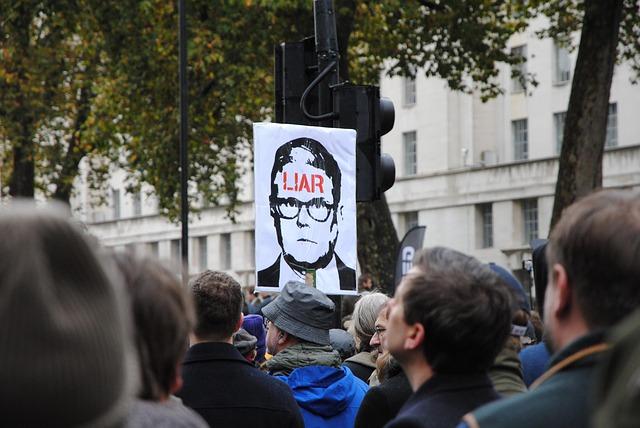
U.K. Prime Minister Keir Starmer is resisting mounting pressure to resign as criticism from both political opponents and members of his own party intensifies. With questions swirling over his leadership, policy direction, and handling of key crises, Starmer has moved to project firmness and control, insisting he will not step aside amid the turmoil.As calls for his departure grow louder in Westminster and beyond, the embattled prime minister faces one of the most serious tests of his tenure, setting the stage for a high-stakes confrontation over the future of his government.
Growing revolt inside Labour as Starmer dismisses resignation demands
Senior backbenchers and former frontbench allies are now openly questioning whether Sir Keir still commands the moral and political authority to lead, with some branding his refusal to step aside as a “misreading of the national mood.” In late-night WhatsApp groups and hastily convened Zoom calls, MPs from across Labour’s factions are weighing coordinated interventions, including a public letter and a timetable for a potential leadership contest. While the party’s official machine insists there is “no mechanism and no appetite” for a challenge, local constituency parties are already drafting motions of no confidence, fearful that clinging to power could deepen voter disillusionment ahead of the next election cycle.
Inside Westminster, strategists warn that the internal rift is widening along ideological and generational lines.A cluster of MPs on the soft left argue that Starmer’s rigid defense of his record risks erasing the party’s hard-won gains, while younger members fret that the leadership has become insulated from grassroots anger. Key pressure points include:
- Electoral fallout: Councillors and mayors reporting a sharp drop in doorstep enthusiasm.
- Policy drift: Complaints that flagship pledges on housing and public services lack urgency.
- Internal democracy: Demands for clearer rules on leadership accountability and trigger ballots.
| Labour Group | Current Mood | Likely Next Move |
|---|---|---|
| Frontbench loyalists | Defensive | Close ranks behind Starmer |
| Soft-left MPs | Restless | Push for timetable on accountability |
| Grassroots activists | Angry | Table local no-confidence motions |
Public trust and leadership credibility under unprecedented scrutiny
In a climate where voters are less forgiving and information moves faster than any press office can respond, the government’s margin for error has narrowed to vanishing point.Each misstep, contradiction or unexplained U-turn is instantly collated, clipped and shared, forming a rolling dossier on the administration’s integrity. Public patience is increasingly conditioned by lived experience-rising household costs, overstretched services, and high-profile ethics rows-rather than party loyalty. This has created a fragile ecosystem in which a single scandal can quickly metastasize into a broader narrative of decay, especially when opposition parties and online commentators amplify perceived inconsistencies between words and actions.
Within Westminster, survival now depends on more than tight message discipline; it hinges on tangible proof that power is being exercised in the public interest. Voters are watching for signals such as:
- Transparent decision-making on key policies,backed by published evidence and clear timelines.
- Consistent standards for ministerial conduct, applied regardless of political convenience.
- Visible accountability when pledges are broken or targets missed.
- Engagement beyond soundbites, including unscripted interviews and open public forums.
| Issue | Public Expectation | Credibility Risk |
|---|---|---|
| Ethics inquiries | Swift,independent probes | Perception of cover-up |
| Economic pledges | Realistic timelines | Accusations of false hope |
| Party discipline | Unified,honest messaging | Image of chaos and drift |
Policy gridlock and foreign affairs challenges intensify pressure on Downing Street
Inside Whitehall,senior aides describe a government pulled in opposing directions: a mandate for sweeping reform on one side,and a Parliament increasingly wary of further upheaval on the other. Key domestic pledges on housing, NHS waiting lists and green investment have stalled in committee rooms and select panels, where cross-party alliances of sceptics are quietly amending, delaying or diluting flagship bills. Backbenchers, spooked by volatile polling and disgruntled local associations, are using procedural tools to slow the legislative machine, leaving No. 10 to rely on late-night negotiations and tactical concessions that risk hollowing out its own program. The result is a creeping sense of drift,as ministers shuttle between crisis meetings while trade unions,business groups and regional leaders grow impatient for clear decisions.
Abroad, the strain is even more visible, with Britain’s partners watching for signs that London can still act as a coherent strategic player rather than a capital consumed by domestic turmoil. In recent weeks, the Prime Minister has had to juggle overlapping crises:
- Ukraine support under scrutiny as defence cuts clash with NATO pledges.
- Middle East diplomacy complex by divisions within Cabinet over arms exports.
- EU relations fraying over migration returns and financial services regulation.
- Indo-Pacific strategy overshadowed by doubts about long-term funding.
| Pressure Point | Key Risk | Downing St. Response |
|---|---|---|
| NATO Commitments | Credibility gap on defence spending | Promise of phased budget uplift |
| EU Cooperation | Loss of influence in Brussels | Targeted sectoral agreements |
| Trade Deals | Slow progress on new markets | Pivot to smaller, rapid accords |
Strategic paths forward for Starmer and Labour to restore authority and stability
Reclaiming control begins with a visible reset in tone, personnel and process. Starmer must move quickly to demonstrate that accountability is more than a slogan, combining selective cabinet reshuffles with clear performance benchmarks for senior ministers. By publishing concise, time-bound priorities for the first 100 and 500 days in office, he can convert abstract promises into checkable milestones for voters and the media. A sharper dialog strategy is also critical: instead of reactive firefighting, Labour needs disciplined message coherence anchored in a small set of themes-economic security, public service repair and institutional integrity-repeated consistently across every briefing, interview and constituency visit.
- Stabilise the economy narrative through transparent fiscal rules and independent verification.
- Rebuild internal cohesion with structured dialogue between leadership, unions and the party grassroots.
- Show visible delivery on rapid-win policies that improve daily life,from housing enforcement to NHS waiting lists.
- Institutionalise integrity via tougher standards on appointments, lobbying and party discipline.
| Priority Area | Key Move | Signal to Voters |
|---|---|---|
| Economy | Publish fiscal roadmap | Competence over chaos |
| Governance | Strengthen ethics rules | Clean break with past |
| Public Services | Targeted “fast fixes” | State can still deliver |
| Party Management | Formalised internal forums | Leadership listens |
Final Thoughts
As the chorus of discontent grows louder both inside and outside Westminster,Starmer’s future hinges on his ability to reassert control over a party and a public mood that appear increasingly restless. For now,he is betting that resilience and a clear policy agenda will outweigh the clamour for change at the top. Whether that calculation holds in the coming weeks-amid mounting pressure, potential rebellions, and shifting public opinion-will determine not only the fate of his premiership, but the direction of Britain’s political landscape in the months to come.