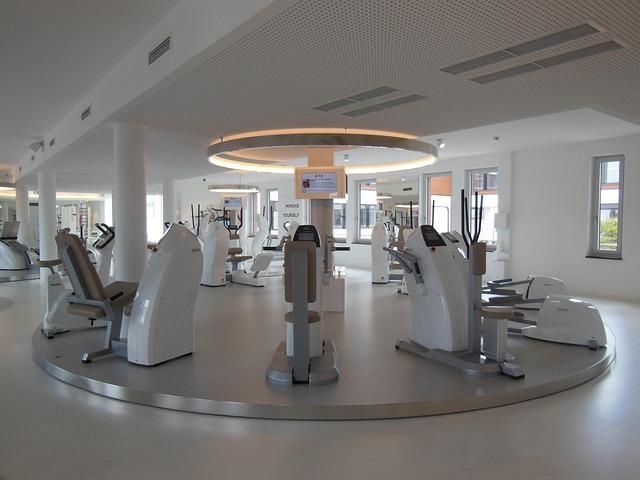
On weekday afternoons, the clang of locker doors and the echo of bouncing balls signal the end of the school day – and, for most communities, the shutdown of some of their best sports facilities. Across London, millions of pounds’ worth of gyms, pitches and courts sit locked behind metal gates for much of the week, even as the NHS strains under rising levels of obesity, diabetes and mental ill-health. A growing movement of campaigners, health experts and local leaders now argues that this is a missed opportunity hiding in plain sight. If schools opened their doors beyond classroom hours, they say, these dormant spaces could become the backbone of a new, community-based approach to public health.
Community health gains when school gates stay open after class
When pitches, courts and halls remain accessible into the evening, they become informal hubs for local wellbeing rather than silent, locked assets. Parents can join walking clubs while children practice football drills; older residents might take part in low‑impact aerobics sessions or simply use the track for gentle laps. This overlap of generations builds social ties that are proven to support mental health, reduce loneliness and foster a shared sense of obligation for the space itself. For councils under pressure to deliver more with less, extending hours at existing facilities is a pragmatic way to boost physical activity levels without the cost of building new leisure centres.
Local partnerships are key. Community groups, NHS services and grassroots sports clubs can program regular sessions that turn underused school gyms into vibrant, low‑cost activity centres.Typical benefits include:
- Increased daily movement for children and adults living in dense urban areas
- Safe, supervised spaces that help steer teenagers away from street violence and antisocial behavior
- Culturally tailored activities co‑designed with local communities, from women‑only sessions to walking football
- Preventive health support, such as blood‑pressure checks alongside exercise classes
| Community use | Health impact |
|---|---|
| Evening netball leagues | Improved heart health |
| Family sports nights | Stronger social bonds |
| Open running tracks | Lower obesity risk |
| Senior fitness classes | Better balance & mobility |
Funding models and local partnerships to keep pitches and courts accessible
Keeping gates open after the final school bell requires more than goodwill; it demands imaginative financing and rooted, hyper-local coalitions. Blended income streams – from modest pay‑as‑you‑play fees to ring‑fenced council grants and targeted corporate social responsibility funds – can cover essential costs without pricing out families. Many schools are now exploring community management agreements, where trusted charities or sports clubs handle bookings, maintenance and insurance, freeing headteachers from operational burdens while guaranteeing affordable access for neighbours. When these agreements are transparent and co-designed with residents, they tend to attract further backing from health partners keen to invest upstream in prevention rather than downstream in treatment.
At neighbourhood level, the most durable models are those that see a pitch or court as shared social infrastructure, not a private asset. Local housing associations, youth organisations and faith groups can jointly sponsor subsidised slots for low-income households, while small businesses chip in through micro‑sponsorship – a café funding girls’ football bibs, for instance, in return for low-key branding. Where participation data is tracked and shared across partners, it becomes easier to make the case for ongoing support from Integrated Care Systems, Active Partnerships and national governing bodies. The table below shows simple,complementary ways communities are starting to finance open‑school sport:
| Model | Main Benefit | Local Partner |
|---|---|---|
| Low-cost community memberships | Predictable income,capped prices | Residents’ associations |
| Health-funded activity blocks | Free sessions for at‑risk groups | NHS & GP networks |
| Club-run evening programmes | Qualified coaching,shared upkeep | Local sports clubs |
| Business micro‑sponsorships | Kit and equipment covered | High‑street retailers |
- Mix public,philanthropic and user funding to spread risk and keep prices low.
- Anchor decision‑making locally so communities shape how, when and why facilities open.
- Track health and social outcomes to secure long‑term backing from system-wide partners.
Designing safe shared use agreements that work for schools and residents
Turning locked gates into community gateways starts with clear, practical agreements that reassure both headteachers and neighbours. Schools need written frameworks that spell out who can use the space, when they can use it and what happens if something goes wrong. Robust safeguarding rules, simple booking systems and transparent pricing help maintain trust, while insurance and liability clauses protect schools without scaring off grassroots clubs. To make these documents workable in the real world, leaders are opting for plain-language contracts, on-site coordinators and digital registers, all designed to keep children, adults and facilities safe.
Residents, simultaneously occurring, respond best when they feel involved, not just invited. Co-designed rules, regular feedback sessions and visible on-site signage reduce frictions over noise, parking and litter. Many boroughs are now piloting joint-use models that offer priority slots for school teams, followed by community hours that reflect local needs rather than a one-size-fits-all timetable. The most effective agreements are living documents: reviewed yearly, adjusted after incidents and informed by data on participation, maintenance costs and health outcomes.
- Clear hours: predictable timetables for school and community use
- Shared costs: simple structures for cleaning, lighting and security
- Safeguarding first: DBS checks and supervision rules for all providers
- Local voice: resident input into scheduling and codes of conduct
| Agreement Element | School Priority | Community Benefit |
|---|---|---|
| Booking rules | Protects curriculum time | Guarantees fair access |
| Safety standards | Reduces risk on site | Builds user confidence |
| Fee structure | Covers running costs | Keeps sessions affordable |
| Review cycle | Responds to incidents | Allows community input |
Measuring long term public health impact from evening and weekend sports access
Tracking whether local people are genuinely healthier a decade from now demands more than counting how many turn up for five-a-side once a week. Councils and health partners are beginning to link facility access data with anonymised GP records, school fitness tests and community surveys to build a clearer picture of changing habits. Early pilots point to promising shifts: higher levels of regular moderate exercise, fewer missed school days due to illness, and lower prescriptions for preventable conditions. To make sense of these trends, researchers are focusing on simple indicators that can be monitored year after year, turning neighbourhood pitches and courts into live laboratories for population health.
Behind the numbers, the most revealing changes might potentially be social rather than strictly clinical. Regular evening and weekend use of school gyms and playgrounds appears to strengthen community networks, which in turn supports healthier behaviour. Local officials are watching for evidence of:
- Sustained participation by children and adults over multiple seasons
- Reduced inactivity in groups traditionally under‑represented in sport
- Improved mental wellbeing reported in local health surveys
- Greater cross‑generational activity, from family sessions to walking clubs
| Metric | Year 1 | Year 5 (target) |
|---|---|---|
| Residents active 3+ times/week | 42% | 60% |
| Child obesity (Year 6) | 24% | 18% |
| GP visits for preventable conditions | Baseline | -15% |
| Reported loneliness | 31% | 20% |
To Conclude
As the pressures on the NHS mount and health inequalities deepen, the case for opening up school sports facilities is no longer a niche policy idea but a public health imperative. Kilburn’s experience shows that when playing fields, gyms and courts are made genuinely accessible, they become more than idle assets – they turn into neighbourhood hubs that support healthier, more active lives.The challenge now lies with local authorities, school leaders and central government to move beyond pilot projects and piecemeal arrangements. That means tackling insurance and staffing barriers,investing in maintenance,and building sustainable partnerships with community sports groups.
If they succeed, the payoff could be profound: fitter children, more active adults, and communities that see their schools as shared spaces rather than locked fortresses after 3pm. In a borough where every square meter of green space counts, unlocking the school gates might potentially be one of the simplest, most cost-effective ways to start levelling the playing field on public health.