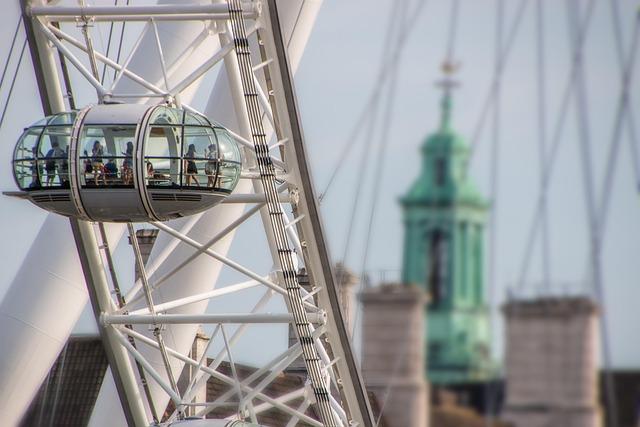
London is bracing for another spell of sweltering temperatures as the current heatwave shows no sign of easing, with forecasters predicting little to no rainfall in the days ahead. The prolonged dry conditions are beginning to bite across the capital, raising concerns for businesses, commuters and public services already stretched by rising energy costs and strained infrastructure. As thermometers edge higher and the prospect of meaningful relief diminishes, the economic and operational implications for London’s commercial heartland are moving sharply into focus.
Rising temperatures strain London infrastructure and local businesses
From buckling rail tracks to overheating data centres, the latest hot spell is exposing how poorly the capital’s systems are built for prolonged extremes. Commuters face speed restrictions on key lines, while older Underground tunnels become stifling during peak hours, driving some passengers back onto already congested roads. Meanwhile, office towers and retail units scramble to retrofit cooling solutions, straining electricity demand in districts where the grid was never designed for sustained high-temperature loads. Facilities managers report that many buildings still rely on outdated ventilation,leaving staff to improvise with portable fans and ad‑hoc cooling breaks that cut into productivity.
On the high street, operators say the heat is reshaping trading patterns rather than simply boosting sales of cold drinks and ice cream. Lunchtime footfall in central areas is slipping as workers stay indoors, while outer-borough retail parks and air-conditioned malls pick up business. SMEs are absorbing extra costs as they adapt in real time:
- Hospitality invests in misting fans, shaded seating and extended evening hours.
- Food retailers battle higher refrigeration bills and faster spoilage of fresh stock.
- Construction firms reschedule heavy work to cooler early mornings.
- Co-working spaces market themselves as climate-controlled refuges for freelancers.
| Sector | Main Challenge | Typical Response |
|---|---|---|
| Transport | Overheated rails & delays | Speed limits, service cuts |
| Retail | Lower daytime footfall | Shift to evening promotions |
| Offices | Rising cooling costs | Flexible hours, remote work |
Economic implications of prolonged heat for high street retailers and offices
For shopfronts and office blocks across the capital, the relentless heat is quietly rewriting balance sheets. Footfall in uncovered high streets is slipping as customers retreat to air-conditioned malls and online carts,pushing independents to shorten opening hours or pivot to click-and-collect. At the same time, cooling costs are climbing sharply: small retailers and co-working hubs are running air conditioning all day, investing in temporary shading and upgrading fridges and servers to prevent heat-related failures. The squeeze is most acute for businesses on fixed rents with thin margins, where utility bills and staff discomfort translate directly into lost sales and productivity.
- Reduced street footfall in peak afternoon hours
- Higher energy spend on cooling and refrigeration
- Staff fatigue affecting customer service and output
- Shifts in trading hours towards cooler mornings and late evenings
| Impact Area | High Street Retail | Offices |
|---|---|---|
| Costs | +12-18% energy bills | +10-15% cooling & maintenance |
| Productivity | Shorter shifts; rota changes | More remote work; slower pace on site |
| Revenue | Weaker midday sales; stronger e-commerce | Limited direct loss; rising demand for flexible space |
For office-based employers, the heatwave is accelerating existing trends rather than creating new ones. Firms are leaning harder on hybrid work to keep staff away from overheated commutes and crowded lifts, while landlords face mounting pressure to retrofit older stock with better insulation, smart sensors and more efficient HVAC systems. This is beginning to shape leasing decisions: occupiers are weighing not only rent and location but also a building’s resilience to temperature spikes, with “cool, efficient and reliable” quietly joining the checklist of must-have amenities for London’s next generation of workspaces.
Public health concerns as vulnerable communities face extended heatwave conditions
As temperatures remain stubbornly high across the capital,doctors and local councils are reporting a steady rise in heat-related admissions,particularly among the elderly,rough sleepers and those living in poorly insulated,overcrowded housing. NHS data analysts warn that prolonged exposure to high overnight temperatures is compounding existing health inequalities, with dehydration, respiratory distress and exacerbated heart conditions now a daily reality for frontline staff.Charities are scrambling to plug gaps in provision, deploying volunteers with basic supplies while urging businesses to open up air-conditioned spaces as informal “cool rooms” for at‑risk residents.
Public health officials are focusing on simple but critical interventions that can be scaled quickly in dense urban areas:
- Targeted alerts sent via GP practices and local community hubs to chronically ill patients.
- Pop-up cooling centres in libraries, shopping centres and unused office floors.
- Hydration stations near transport hubs, markets and construction sites.
- Welfare checks by community groups on isolated or housebound residents.
| Group | Main Risk | Key Support |
|---|---|---|
| Older adults | Heat stroke | Home visits, fan distribution |
| Rough sleepers | Severe dehydration | Water, shaded rest areas |
| Low-income families | Overheated homes | Cooling grants, community centres |
| Outdoor workers | Heat exhaustion | Shift changes, mandatory breaks |
Practical strategies for London businesses to protect staff operations and revenue during extreme heat
From air-conditioned office towers in the City to compact retail units in Peckham, keeping teams safe and productive now depends on revisiting everyday routines. Employers are reconfiguring rotas to prioritise cooler hours, encouraging flexible starts for commuting staff, and moving heat-sensitive tasks – from kitchen prep to warehouse loading – into early mornings or late evenings. Simple measures such as providing cold drinking water, shaded break areas and lightweight uniforms can dramatically reduce heat stress, while clear signage and short, mandatory cool-down breaks remind staff that wellbeing is non‑negotiable.Many firms are also updating their risk assessments and integrating heat alerts into internal communications, so managers can react quickly when temperatures spike.
- Adapt schedules: Stagger shifts, compress hours and move strenuous work away from peak heat.
- Upgrade workplaces: Install portable cooling units, fans, reflective blinds and window film.
- Protect field teams: Issue hats, SPF, reusable water bottles and mobile shade solutions.
- Support remote work: Allow homeworking where possible and equip staff with clear heat-health guidance.
- Secure revenue streams: Promote cooler in-store experiences, ramp up e‑commerce and offer delivery incentives during hot spells.
| Risk | Low-Cost Action | Business Benefit |
|---|---|---|
| Staff fatigue | Extra water points & shaded breaks | Fewer errors, steadier output |
| Store footfall drop | “Cool space” promotions | Longer visits, higher spend |
| Supply delays | Reschedule deliveries to night | Improved reliability |
| Tech overheating | Spot-cooling for server corners | Reduced downtime |
Key Takeaways
As London endures yet another week of high temperatures and scant rainfall, the pressure on businesses, infrastructure and public services is only set to intensify. Firms that can adapt quickly – by revising working practices, investing in cooling solutions and rethinking resource use – are likely to be better placed to weather both the immediate disruption and the longer-term shift in climate patterns.
With no meaningful relief on the horizon, the heatwave is becoming both a test of operational resilience and a glimpse of the conditions London’s economy may increasingly face. For now, the capital’s business community must plan for sustained heat, factor climate volatility into their risk models and treat this latest spell not as an anomaly, but as a warning of what could soon be the new normal.