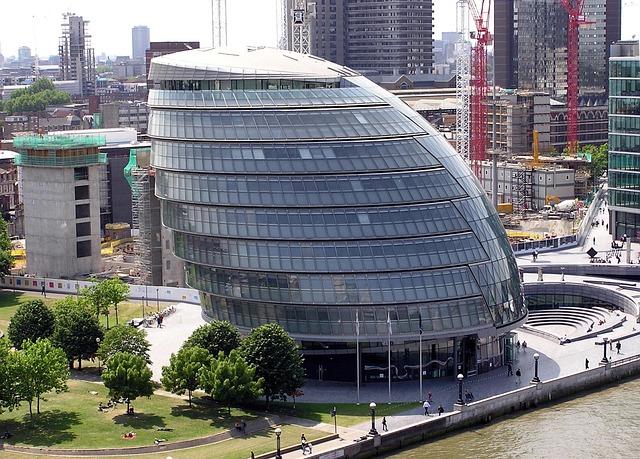
Inside the glass walls of London’s City Hall,democracy is not just debated – it’s taught. Through a program of free education sessions, the Greater London Authority is opening up the workings of the Mayor and the London Assembly to students, teachers and community groups across the capital.Hosted in the heart of London’s political headquarters, these sessions aim to demystify how decisions are made, how public money is spent and how ordinary Londoners can influence the future of their city. As calls grow for greater civic engagement and political literacy, london.gov.uk’s City Hall education offer is emerging as a key tool in helping the next generation understand – and shape – the democracy on their doorstep.
Expanding access to City Hall education sessions for schools and community groups across London
From primary classrooms to neighbourhood youth centres, we are opening up learning opportunities by bringing City Hall directly to young Londoners and local organisers.Schools and community groups can now book tailored sessions that fit their timetable, curriculum focus and age range, whether that means a civic engagement workshop, a debate on London’s future, or a behind-the-scenes look at how decisions are made. Our team also collaborates with teachers, youth leaders and community organisers to co-design activities that reflect the realities of different boroughs, helping learners connect city-wide policy to what they see on their own streets.
To make participation as inclusive as possible, we are expanding both in-person and virtual options, ensuring that distance, cost or accessibility needs are not barriers to taking part. We prioritise bookings from underrepresented communities and provide clear guidance so organisers know what to expect before they arrive or log in. Typical opportunities include:
- Interactive briefings on topics such as climate action, transport, policing and housing
- Role-play decision-making sessions that simulate how policies are debated and agreed
- Careers spotlights with City Hall staff, showcasing routes into public service roles
- Teacher and facilitator packs with ready-to-use activities and follow-up resources
| Group type | Format | Ideal group size |
|---|---|---|
| Primary schools | Story-led workshop or virtual tour | 20-30 learners |
| Secondary & colleges | Policy debate or Q&A session | 25-60 learners |
| Youth & community groups | Evening or weekend workshop | 10-40 participants |
Inside the curriculum how City Hall workshops bring democracy and civic participation to life
In these sessions, London’s political heart turns into a hands-on classroom where students move beyond textbooks to experience how decisions are actually made.Guided by trained facilitators, young people step into the roles of Assembly Members, community activists and residents, debating live issues such as air quality, transport fares and policing priorities. Through role-play debates, mock committee hearings and media-style press briefings, they learn to scrutinise arguments, test evidence and understand why compromise sits at the center of democratic life. The Chamber, public galleries and committee rooms become active learning spaces, demystifying the architecture of power and encouraging students to see themselves as participants rather than spectators.
Workshops are designed to mirror real civic processes, showing how a single idea can travel from community concern to policy change. Sessions typically include:
- Interactive policy labs where students map local problems and design practical solutions.
- Lobbying simulations that teach how to write impactful emails and petitions to elected representatives.
- Voting and coalition exercises that reveal how alliances shape outcomes.
- Media literacy tasks analysing headlines and social posts around City Hall decisions.
| Activity | Skill Focus | Real-World Link |
|---|---|---|
| Mock Assembly debate | Public speaking | Mayor’s Question Time |
| Budget game | Critical choices | City spending plans |
| Community campaign plan | Collective action | Local neighbourhood issues |
Measuring impact what London students really gain from visits to City Hall
Teachers often tell us that the real value of a City Hall visit appears weeks later,when political vocabulary and concepts suddenly feel familiar to their students. Young people who once saw local government as distant report feeling more confident asking questions about decisions that affect their bus routes, housing and climate action. Many pupils also gain a first glimpse of careers in public service, discovering roles they did not know existed, from policy advisers to data analysts. Back in the classroom, this shift is reflected in livelier debates, stronger citizenship coursework and a willingness to challenge details sources rather of passively accepting them.
Feedback collected from schools across London highlights recurring benefits that go beyond a memorable day out:
- Greater political literacy – pupils better understand how the Mayor, Assembly and boroughs share powers.
- Improved confidence – students are more willing to speak publicly and question decision-makers.
- Stronger curriculum links – teachers use real City Hall examples in GCSE and A‑level lessons.
- Higher civic participation – older students express increased interest in voting and local campaigns.
| Outcome | Typical student response |
|---|---|
| Understanding how London is run | “Now I know who decides what happens in my area.” |
| Seeing politics as relevant | “This actually connects to my rent, my travel and my air.” |
| Career inspiration | “I didn’t realize you could work on climate policy in London.” |
Strengthening engagement recommendations to make City Hall education sessions more inclusive and hands on
To ensure that every visit feels active rather than observational, our learning team is reshaping how we suggest follow‑up actions to schools, youth groups and community organisations.Instead of generic handouts,participants now receive tailored engagement pathways that reflect their age group,interests and level of familiarity with local democracy. These pathways include simple prompts such as “who speaks for you in your borough?” alongside more hands‑on ideas that can be continued back in the classroom or community centre. By embedding interactive exercises into our guidance – from mock debates to mapping local issues – we encourage groups to test out new skills instantly, rather than waiting until they return home.
New resources also highlight small, practical steps that make civic participation feel accessible, not intimidating. Session leaders are encouraged to co‑design next steps with participants, using quick feedback tools and live polling to understand what support is needed.Recommendations now signpost a broader mix of opportunities, including:
- Co-creation workshops with Assembly members and policy officers
- Hands-on role-play of committee hearings and public questioning
- Neighbourhood audits where young people document local challenges
- Creative reporting via podcasts, posters or short video explainers
| Age group | Suggested activity | Outcome |
|---|---|---|
| 11-14 | Design a “My London” issue wall | Identify local priorities |
| 15-18 | Stage a mock scrutiny panel | Practice questioning skills |
| Adults & community groups | Draft a joint community statement | Shape input for consultations |
In Summary
As City Hall continues to open its doors to pupils from every corner of the capital, these education sessions are becoming more than just a school trip. They are a way of demystifying local democracy, giving young Londoners the tools to question, challenge and participate in the decisions that shape their daily lives.In a city where policy can feel distant and complex, the simple act of sitting in the public gallery, hearing real debates and speaking directly to decision-makers offers a rare kind of clarity.For teachers, it’s a curriculum resource with a live feed; for students, it’s often a first encounter with the idea that “the government” is not an abstract force, but a set of people they can see, hear and address.
London’s future will be defined by those who understand how power works and how it can be changed. City Hall’s education programme is betting that if you give young people that understanding early, they will not only pay attention to politics – they will take part in it.