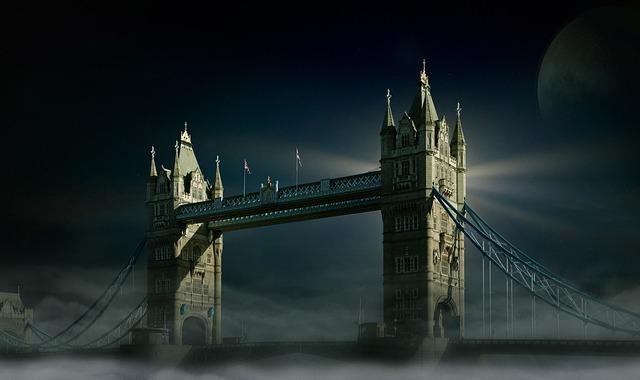
When a salvo of colourful rockets split the night sky over a quiet Hampshire suburb, one reader of the Daily Echo had seen enough. In a sharply worded letter titled “Fireworks? Get back to London”, they condemned the growing trend for loud, late-night displays far from the capital’s customary spectacles. Their complaint, aimed as much at modern manners as at exploding pyrotechnics, has ignited a familiar debate: who really owns the night sky, and where should the line be drawn between festivity and nuisance? This article examines the concerns behind the letter, the changing culture of fireworks, and what it reveals about life in today’s towns and cities.
Council accountability over London centric celebrations
Local authorities must decide whether they are champions of their communities or mere regional event managers for the capital.When town budgets are stretched, yet funds are mysteriously found for satellite screenings of London’s pyrotechnic showpiece, residents are entitled to ask who the celebrations are really for. Instead of investing in neighbourhood-based events that reflect local heritage and identity, some councils appear content to beam in a ready-made spectacle from the Thames, leaving seaside promenades and market squares as little more than passive viewing galleries. This raises questions about representation, priorities and value for money, particularly when smaller, locally organised displays are quietly shelved.
Accountability begins with clarity.Residents deserve clear answers to basic questions such as:
- How much public money is spent on London-linked festivities versus home-grown events?
- Who decides which displays go ahead and which are cut?
- What consultation, if any, takes place with local communities and businesses?
| Spending Focus | Local Impact | Public Scrutiny |
|---|---|---|
| London simulcasts | Minimal local identity | Often unclear |
| Community displays | High civic engagement | Easier to track |
Without detailed, published breakdowns of event spending and open forums for challenge, council leaders risk reinforcing the perception that regional towns are expected to clap politely while London puts on the show. Real accountability would mean publishing itemised budgets, justifying London-centric partnerships, and ring-fencing funds for events that originate from, and speak to, the communities footing the bill.
Impact of limited local fireworks on community spirit and safety
When neighbourhood displays are reduced to a handful of tightly controlled bursts, something subtler than noise disappears from the streets. Doorstep gatherings shrink, the casual chats over garden fences fade and the shared gasp of wonder becomes a private, screen-lit experience. Residents who once pooled pocket money for a box of rockets now stand back as spectators to a sanitised spectacle,if there is one at all. The shift from communal spontaneity to regulated rarity may calm tempers,but it also thins out those small,serendipitous moments that knit neighbours together: the borrowed lighter,the tray of hastily offered hot chocolate,the chance to meet the new family at number 14.
Yet tighter limits can also sharpen a town’s sense of responsibility. With fewer bangs and brighter rules,people are more alert to what really matters on the night:
- Shared vigilance around pets,young children and older residents.
- Clearer planning by organisers, stewards and local volunteers.
- Smarter timing that respects shift-workers and those needing quiet.
- Collective accountability when things go wrong.
| Aspect | Fewer Local Fireworks | Community Effect |
|---|---|---|
| Noise & disruption | Lower | Less stress, calmer evenings |
| Chance encounters | Reduced | Fewer new connections |
| Informal street life | Thinner | Quieter public spaces |
| Safety oversight | Stronger | More organised, fewer risks |
Economic and cultural costs of directing major events away from regional cities
When councils and organisers quietly funnel headline spectacles back to the capital, the impact on regional economies is anything but quiet. Local businesses lose a lifeline of seasonal trade, and town centres that might have brimmed with visitors are left with empty tables and unbooked rooms. The knock-on effects are wide-ranging: fewer overtime shifts for bar staff, leaner takings for taxi drivers and corner shops, and less justification for year‑round investment in infrastructure. In practical terms, removing one flagship event can drain millions from local circulation and sap confidence in future growth.
- Hotels miss out on peak‑season occupancy.
- Autonomous traders lose rare high‑footfall days.
- Transport services see reduced ticket sales and routes frozen.
- Local councils collect less in fees, rents and ancillary revenues.
| City | Event Hosted | Est. Visitor Spend (per day) |
|---|---|---|
| Southampton | Summer Fireworks | £1.2m |
| Bournemouth | Seafront Festival | £900k |
| Winchester | Winter Lights | £650k |
The less visible loss is cultural. These gatherings stitch together community identity, giving people reasons to stay put, take pride in their surroundings and invite friends from elsewhere. When marquee events are siphoned off to London, regional cities are relegated to spectators rather than storytellers of their own civic life.Traditions with local flavor are diluted into generic, centrally branded spectacles, and younger generations grow up with the message that the most exciting moments happen somewhere else. Over time, this feeds a subtle brain drain: talent, ambition and investment follow the fireworks out of town.
Practical steps for councils to prioritise inclusive local festivities
Councils can start by swapping one-size-fits-all spectacles for layered, low-impact celebrations that welcome those frequently enough pushed to the margins by noisy late-night revelry. That can mean scheduling quieter, sensory-friendly events earlier in the evening, offering designated calm zones away from crowds, and signing up venues to clear accessibility pledges covering ramps, seating and toilets. Working with disability groups, youth forums and faith leaders helps shape programmes that are culturally sensitive and responsive to real needs, rather than assumptions.Even simple moves-like clear signage,live captioning for announcements,or multi-lingual flyers-can transform who feels invited to take part.
- Replace loud fireworks with drone, laser or projection shows where feasible.
- Ringfence budget for BSL interpreters, quiet rooms and accessible transport info.
- Partner with local schools and care homes to co-create daytime mini-festivals.
- Offer stall subsidies to community groups, not just commercial traders.
- Publish inclusion plans in advance so residents can plan attendance safely.
| Action | Who Benefits |
|---|---|
| Quiet light show instead of fireworks | Pet owners, autistic residents |
| Early family events | Parents, shift workers |
| Step-free main route | Wheelchair users, older people |
| Community-run food stalls | Local traders, diverse cultures |
In Summary
the debate over fireworks is about more than noise and spectacle; it is a question of identity, responsibility, and who claims the right to define a community’s character. Whether the answer lies in tighter controls, quieter displays, or confining large-scale pyrotechnics to major cities like London, remains unresolved. But if the strength of the responses to this letter is any indication, one thing is clear: residents are no longer content to let the issue simply fizzle out once the smoke clears.