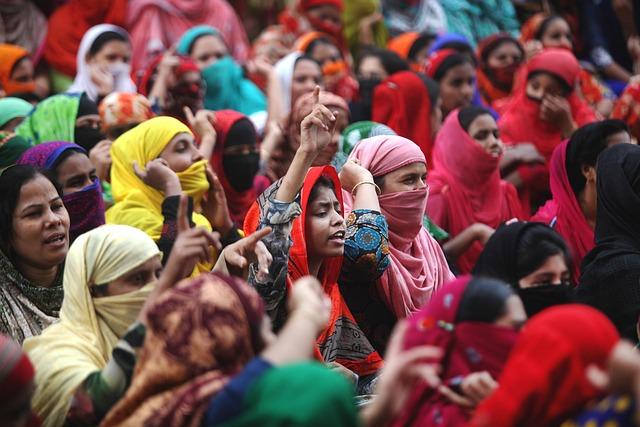
In the corner of south-east London often dubbed the capital’s “last town,” a bitter row is brewing over plans for a major Islamic center. Residents in Orpington say they have been sidelined in the decision-making process and fear the development will impose a “dramatic shift in character” on their community.The proposal, which has sparked packed public meetings, petitions and heated local debate, is being held up by campaigners as a test case for how London balances rapid change, religious provision and the preservation of long-standing neighbourhood identities. As planning consultations continue, locals insist their concerns about scale, traffic, infrastructure and cultural impact are being brushed aside-raising broader questions about who really gets a say in shaping the future of Britain’s changing towns.
Residents voice fears over consultation gaps and changing identity in Londons last town
Long-standing neighbours in this corner of outer London say they are being spoken about, not spoken to.Many claim key decisions on the proposed complex have moved ahead through dense planning papers, technical briefings and tightly timed meetings that feel more like box-ticking than genuine dialog.Residents describe letters arriving late, online portals that are hard to navigate and public notices that give little sense of the scheme’s true scale. At the heart of their frustration is a sense that everyday concerns – from parking and school places to late-night noise – are being brushed aside in favour of headline promises about “regeneration” and “inclusion”. As one local put it,”we’re not against change,we’re against being shut out of it.”
- Key worries: congestion, building height, and pressure on public services
- Communication issues: short consultation windows and jargon-heavy planning language
- Cultural tensions: fears of longstanding traditions being diluted or overshadowed
| Local View | How It’s Described Officially |
|---|---|
| “Town feel is slipping away” | “Modernising the urban fabric” |
| “Too big, too fast” | “Flagship community hub” |
| “We weren’t really asked” | “Extensive stakeholder engagement” |
Behind the statistics and artist’s impressions lies a deeper anxiety: that a quiet, small-town rhythm of life is being rapidly recast without the people who built it being fully heard. Locals say that decades-old networks – church groups, traders’ associations, youth clubs and volunteer initiatives – feel peripheral to the vision now driving the area’s future.They argue that genuine consultation would mean early workshops, translated materials, door-to-door outreach and visible changes to the plans in response to feedback. Rather, the process is seen as reactive and fragmented, sharpening a perception that a profound shift in identity is being shaped elsewhere and simply unveiled here as a near-finished deal.
Planning process under scrutiny as locals question transparency and traffic impact assessments
Residents claim the consultation process has been rushed and opaque, with key documents released late, meetings held at inconvenient times, and technical reports buried in lengthy planning files.Many say they only became aware of the full scale of the scheme once outline approval was already moving through the system, fuelling a sense that decisions were effectively pre‑cooked behind closed doors. Locals point to a lack of clear, accessible summaries of the project’s footprint and capacity, arguing that only those with time and expertise could realistically interrogate the data.In a town that prides itself on neighbourly familiarity and incremental change,the perception that a development of this scale is being pushed through without open debate has sharpened mistrust of both the council and developers.
Concerns are particularly acute over how traffic and parking pressures have been modelled, with critics saying the studies rely too heavily on outdated baseline data and optimistic assumptions about public transport use. Parents,shopkeepers and long‑time residents warn that peak‑time congestion,school run bottlenecks and emergency vehicle access have not been realistically factored in. Among the most frequently cited worries are:
- Rush‑hour gridlock on already narrow residential roads
- Overspill parking into surrounding streets during major events
- Inadequate modelling of weekend and evening traffic flows
- Limited enforcement of new parking and access restrictions
| Issue | Official View | Local Response |
|---|---|---|
| Traffic volume | “Manageable with mitigation” | “Seriously underestimated” |
| Parking demand | “Within on-site capacity” | “Spillover inevitable” |
| Public engagement | “Extensive consultation” | “Box‑ticking exercise” |
Community cohesion at stake amid concerns over scale,design and pressure on local services
For many long-term residents,the proposed complex risks feeling less like an organic addition and more like a sudden imposition on a tight-knit town that has prided itself on incremental,community-led change. Locals say the sheer bulk of the buildings, combined with a modern architectural style that jars with surrounding streets, could overshadow existing landmarks and subtly reorder how people move, gather and interact. Concerns are not directed at worship itself, but at what residents describe as a planning process that appears top-down, with limited weight given to local feedback. Neighbours point to the town’s historic high street, low-rise streetscape and familiar meeting spots as elements that bind people together – and fear these could be diluted if thousands of new visitors arrive each week without a clear plan for integration.
Alongside questions over design, people are bracing for added strain on already stretched services. Locals highlight:
- Traffic and parking pressures around residential roads and school runs
- GP and NHS capacity where getting an appointment is already arduous
- Public transport crowding, especially at peak commuting times and weekends
- Pressure on green spaces used for sports, dog walking and family outings
| Local Concern | Current Situation | Projected Impact |
|---|---|---|
| Parking | Streets frequently enough full by evening | Overspill into side roads, blocked driveways |
| Health services | Long waits for GP slots | Further delays, more patients per doctor |
| Public realm | Busy but manageable weekends | Event-style surges, crowding at pinch points |
Residents insist that, without robust mitigation and meaningful dialogue, the scheme risks creating parallel lives rather than shared streets – a shift they say would undermine the everyday encounters that have long defined what many still call “London’s last town”.
Experts urge inclusive dialogue clear impact studies and phased development to rebuild trust
Urban planners and community leaders are increasingly calling for a shift from top‑down decision‑making to a model that brings every stakeholder to the table before a single brick is laid. They argue that only through structured public forums, transparent publication of planning documents, and independent impact assessments can residents begin to believe that their voices matter in shaping the future of their neighbourhood. Local campaigners are demanding that consultations go beyond perfunctory leaflets and box-ticking exercises, pushing for meaningful engagement that recognises long-term residents, faith groups, small businesses and younger generations as equal partners in the process.
Policy experts have outlined practical steps they say could cool tensions and restore confidence in the project’s intentions:
- Structured town-hall meetings at key stages, with translators and accessible times for working families.
- Independent traffic, noise and environmental studies published in full, alongside easy‑to‑read summaries.
- Phased construction milestones tied to clear community feedback checkpoints and planning reviews.
- Legally binding community benefit agreements, covering local jobs, public space use and support for nearby traders.
| Step | Main Aim | Who’s Involved |
|---|---|---|
| Open Forums | Surface concerns early | Residents, council, developers |
| Impact Studies | Test claims with data | Independent consultants |
| Phased Rollout | Adjust plans in real time | Planners, community panels |
The Way Forward
As plans for the Islamic centre move forward, the questions raised in “London’s last town” stretch far beyond this one corner of the capital.They touch on who gets a say in shaping local identity, how planning decisions are communicated, and whether growth can be balanced with preserving a community’s character.
For now, residents who feel side-lined are still pressing for answers: demanding clearer consultation, fuller impact assessments, and a genuine conversation about what kind of future they are being asked to accept.Supporters of the development, meanwhile, argue that much-needed community facilities and places of worship are part of that same future.
How those competing visions are reconciled – and whether locals feel listened to in the process – may determine not just the fate of this single project, but the trust people place in the institutions reshaping their streets. In a town that has long prided itself on its distinctiveness at the edge of London, the outcome will help define what “local character” really means in a city under constant change.