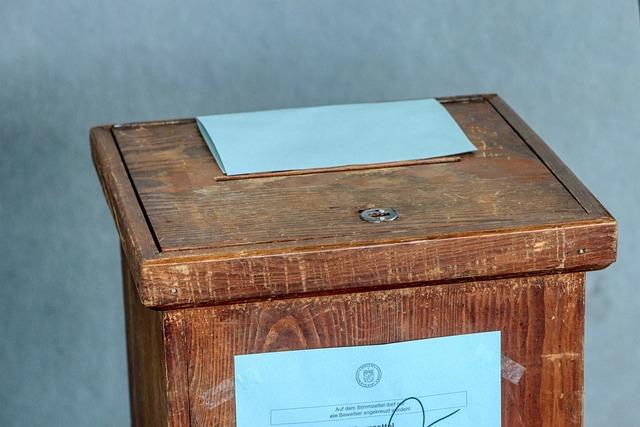
Muslim communities in Britain are being urged to move beyond street protests and social media campaigns by actively seeking elected office, in a bid to counter what many see as deepening political polarisation and marginalisation. A recent Religion Media Center discussion brought together Muslim leaders, activists and academics who argued that the most effective response to rising discrimination, toxic culture wars and misrepresentation in public life is greater democratic participation. Their message was clear: organising locally, standing as candidates and shaping policy from within the system is now essential if Muslims are to challenge divisive politics and secure a fairer, more inclusive national conversation.
Grassroots organising and voter registration campaigns reshape Muslim political engagement in Britain
Across Britain, neighbourhood groups, youth circles and mosque committees are quietly building a new civic infrastructure, turning Friday sermons and community events into hubs for democratic participation. Volunteers are training worshippers on how to register to vote, running stalls outside prayer venues, and pairing first-time voters with experienced mentors who can explain everything from postal ballots to local council powers. These initiatives typically stress non-partisan engagement, focusing on issues such as housing, civil liberties and fair foreign policy, while insisting that party loyalty must be earned, not inherited. Underpinning this shift is a growing belief that visible, accountable Muslim representation in council chambers and parliaments is the most effective answer to the polarising rhetoric that has long cast the community as a problem to be managed rather than a partner in national life.
- Doorstep drives after prayers to help people check and update their electoral registration.
- Women-led networks mobilising childcare support so mothers can attend hustings and local meetings.
- Student coalitions linking campus societies with nearby mosques to coordinate voter turnout.
- Policy listening circles where imams, activists and councillors debate concrete solutions, not slogans.
| Initiative | Main Aim | Key Participants |
|---|---|---|
| Mosque Voter Clinics | Boost registration | Imams & youth volunteers |
| Neighbourhood Democracy Hubs | Local issue mapping | Residents & councillors |
| Next-Gen Candidate Labs | Train future councillors | Young professionals |
From community advocate to councillor practical steps for Muslims seeking elected office
Turning grassroots energy into electoral influence begins long before ballot papers are printed. Aspiring candidates must first become fixtures in local life: visible at school gates, food banks, residents’ meetings and interfaith forums, not just at mosque events.Building trust across communities means listening to housing concerns, transport issues and youth safety as attentively as to foreign policy debates. From there, the next step is to join – or re-energise – a local party branch, where selections are actually decided. This is where Muslims with a track record of community work can translate moral authority into political capital by showing they understand ward boundaries, turnout data and the unglamorous grind of door-knocking.
- Embed locally: volunteer in non-religious spaces and civic groups.
- Master the rules: learn party constitutions, selection timetables and compliance.
- Grow a team: recruit volunteers to manage canvassing, data and communications.
- Craft a message: focus on shared local priorities, not only identity-based grievances.
- Show reliability: respond to casework quickly, even before holding office.
| Step | Goal |
|---|---|
| Join a party branch | Secure a path to selection |
| Attend council meetings | Understand how decisions are made |
| Build cross-faith links | Show you can represent everyone |
| Train as an agent | Learn campaigns from the inside |
Once inside these structures,the task is to professionalise what many activists already do instinctively. That means treating every door knock like a miniature citizens’ assembly: collecting concerns systematically, feeding them into policy discussions and reporting back with concrete outcomes. Fundraising must move beyond last-minute donation drives to planned, transparent campaigns that reassure sceptical voters and party officials alike. Media skills are increasingly non-negotiable; prospective councillors who can speak calmly about contentious issues on local radio or community podcasts are better placed to defuse tensions rather than inflame them. In this way, Muslim candidates can demonstrate that their faith-informed values – fairness, accountability, stewardship – are assets for all residents, and a route away from the culture wars that have poisoned local debate.
Confronting divisive politics how Muslim leaders navigate Islamophobia and polarised public debate
Imams, community organisers and young activists are increasingly stepping into the glare of national debate, resolute to challenge the narratives that cast Muslims as a perpetual “problem”. They do so by reframing public conversations around shared concerns – housing, wages, education, civil liberties – rather than reactive defense against every media storm. In Friday sermons, WhatsApp groups and local hustings, leaders are quietly training congregations to recognize coded dog-whistles, document hate incidents and push back with facts instead of fury. Many stress a disciplined approach to engagement, treating every TV studio, council chamber and school governors’ meeting as a space where Muslims can be visible, competent and unapologetically political, without being reduced to a single-issue faith bloc.
Behind the scenes,new grassroots networks are teaching practical skills for surviving and reshaping a hostile climate. Workshops in community centres now blend Qur’anic ethics with media literacy, equipping attendees to spot misinformation and respond constructively.Common themes include:
- Message discipline – staying on core issues rather than chasing culture-war traps.
- Coalition building – partnering with churches,synagogues and unions on shared campaigns.
- Digital resilience – documenting abuse, using reporting tools and countering online hate.
- Leadership pipelines – mentoring women and young people to stand as candidates and spokespeople.
| Challenge | Response from Muslim leaders |
|---|---|
| Media scapegoating | Rapid-reaction press teams and trained spokespeople |
| Online hate | Reporting hubs and legal support partnerships |
| Policy exclusion | Targeted voter registration and candidate training |
Building cross community alliances policy priorities that unite British Muslims with wider society
As Muslim candidates step forward, the most powerful agenda they can champion is one that binds communities together rather than hardens identity lines. Policy platforms rooted in shared everyday concerns – from affordable housing to safer streets – can cut across faith,ethnicity and class. This means foregrounding commitments to equal access to public services,robust protections against all forms of hate crime,and investment in youth services that keep young people from every background engaged,confident and hopeful.By framing these goals as a joint project with neighbours, trade unionists, faith leaders and secular activists, aspiring Muslim politicians can turn local campaigns into coalitions of the common good, not just expressions of communal grievance.
- Fair work and prospect – tackling insecure jobs and discrimination in hiring
- Decent homes for all – pushing for social housing and action on rogue landlords
- Safer, inclusive neighbourhoods – working with police and residents on trust-based policing
- Protecting civil liberties – resisting heavy-handed surveillance that chills democratic participation
- Climate and cost of living – linking green policies to lower bills and cleaner local air
| Priority Area | Shared Outcome |
|---|---|
| Education | Better schools serving all families |
| Health | GP access without postcode lottery |
| Housing | Secure, affordable homes, not overcrowding |
| Public Safety | Policing by consent, free from prejudice |
Framing these goals as mutual guarantees, rather than special pleading, matters in an era of polarisation. When Muslim campaigners argue for stronger anti-discrimination laws, they can point to the rise in antisemitism, anti-Black racism and hostility towards refugees, demonstrating that these protections shield multiple communities at once. When they challenge foreign policy decisions, they can do so by invoking British traditions of human rights and international law that resonate far beyond mosque congregations. By insisting that public policy be measured by how well it serves the most vulnerable – regardless of who they are – Muslims in public life can definitely help re-orient British politics away from culture wars and towards practical solidarity, where justice for one group is understood as a gain for all.
The Conclusion
As calls to “organise and mobilise” grow louder,the question now is whether British Muslims will convert frustration into formal power at the ballot box and in the corridors of local and national government.
What is clear is that the old pattern of passive support and taken‑for‑granted votes is under strain. Community leaders, activists and policy experts are sketching out a new phase in Muslim civic life: one that prizes representation over rhetoric, and long-term engagement over short-term protest.
Whether that shift can reset the tone of Britain’s increasingly fractured politics – or simply redraw its dividing lines – will depend on what happens next: who chooses to stand, who turns out to vote, and how far the political class is prepared to respond to a community no longer willing to remain on the margins.