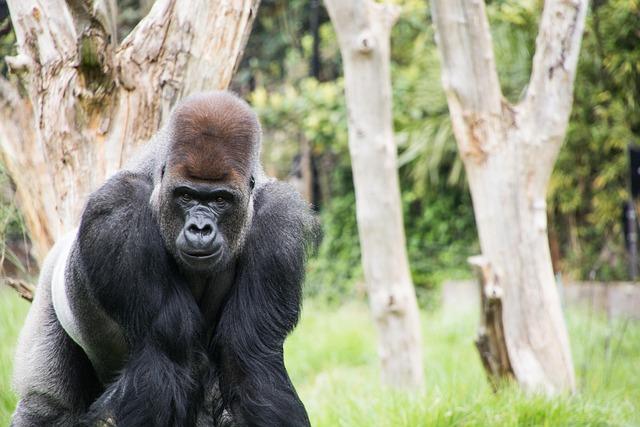
On a gray weekday morning,as most of London hurries past on its commute,a very different kind of classroom is taking shape behind the gates of Regent’s Park. Clipboards in hand, children cluster around enclosures, quizzing keepers about penguin diets and gorilla social structures. In a quiet corner, A‑level students study conservation genetics; nearby, toddlers learn to mimic the calls of rainforest birds. This is London Zoo as more than a tourist attraction: it is a living laboratory, an outdoor lecture theater and one of the capital’s most unusual education hubs.
Run by the Zoological Society of London (ZSL), the zoo has spent decades turning encounters with animals into lessons in science, geography and environmental responsibility.From curriculum-linked workshops to hands-on sessions with skulls, skins and specimens, its education programmes draw in tens of thousands of learners each year. As schools grapple with how to teach climate change, biodiversity loss and the realities of extinction, London Zoo is positioning itself at the frontline of that challenge, using the power of close-up animal experiences to make complex global issues both tangible and urgent.
Classrooms Among the Creatures How London Zoo Brings the Curriculum to Life
In the heart of the zoo, lessons unfold not on whiteboards but beside meerkat mounds and tropical aviaries, where national curriculum objectives are woven seamlessly into real-world encounters. A maths session might see pupils estimating penguin dives and charting feeding times, while English classes turn the rustle of the rainforest into sensory descriptions and persuasive writing about conservation. Science topics leap off the page as students observe adaptation, life cycles, and food chains in motion, guided by education officers who translate complex ecology into stories children can touch, see and hear.
Each school visit is structured like a newsroom assignment, with pupils gathering “field notes” and visual evidence to take back to the classroom, extending learning long after the coach has left Regent’s Park. Tailor-made workshops align with key stages and exam specifications, ensuring teachers can tick off learning goals while pupils revel in the novelty of learning among living specimens. Across the site, dedicated learning hubs, quiet corners and species-themed trails support a variety of teaching styles, from inquiry-based projects to cross-curricular challenges.
- Key Stages covered: 1-5 with differentiated activities
- Focus areas: science, geography, English, art and citizenship
- Formats: workshops, self-guided trails, live talks and Q&A sessions
- Resources: downloadable worksheets and post-visit classroom packs
| Subject | Zoo Experience | Learning Outcome |
|---|---|---|
| Biology | Reptile House observations | Understand cold-blooded adaptations |
| Geography | Habitat-themed zones | Compare global biomes and climates |
| English | Storytelling by the lion enclosure | Develop descriptive and narrative writing |
| Citizenship | Conservation talks | Explore human impact and responsibility |
Inside the Learning Hubs Tailored Programs for Schools Teachers and Special Needs Groups
Across the Learning Hubs, every session is designed with a specific audience in mind, transforming a zoo visit into a purposeful learning journey. School groups dive into curriculum-linked workshops where pupils might classify invertebrates, investigate animal adaptations or debate the ethics of conservation. Teachers are offered behind-the-scenes briefings and ready-to-use classroom resources that connect what happens in the animal enclosures to science, geography and citizenship lessons back at school. Dedicated programmes for special educational needs and disabilities (SEND)
Long after the coach pulls away from Regent’s Park, the impact of a visit is meant to echo in everyday choices at home and in the classroom. Through follow-up digital packs, seasonal challenges and class-based research projects, students are encouraged to turn fleeting captivation into lasting stewardship. Teachers receive ready-to-use resources that link zoo experiences to national curricula, while families gain access to home-amiable activities such as wildlife surveys in local parks, citizen science apps and simple eco-habit trackers. Together, these tools shift the experience from a single outing to an ongoing story, with young visitors cast as the main protagonists in a real-world conservation narrative. To sustain this momentum, the zoo curates age-appropriate pathways that blend inspiration with responsibility. Young people are invited to join youth advisory panels, take part in online talks with keepers and scientists, and contribute to creative campaigns that spotlight endangered species. This continuum of engagement helps them move from curiosity to advocacy, nurturing informed voices who understand both the wonder and the urgency of protecting wildlife. Planning a school trip to London Zoo starts long before the coach doors open.Build your visit around clear curriculum links and realistic time blocks: factor in travel, security, lunch, gift shop stops and at least one quiet reflection slot for note-taking or sketching. Many educators find it effective to split classes into smaller groups, rotating between self-guided trails, scheduled talks and hands-on workshops. To keep the day focused, agree simple learning goals with students in advance-such as identifying three conservation challenges or comparing two different habitats-then revisit these on the journey home. On-site, use digital tools sparingly: a few well-timed photos or recordings can later anchor classroom discussions, but keep most of the time devoted to direct observation and questioning. Budgets are tight, but a little foresight can stretch every pound. Take advantage of off-peak rates, free adult places and advance booking discounts, and consider combining your visit with a follow-up virtual session to deepen learning without extra travel costs. Below is a sample breakdown that many schools use when planning: As London Zoo navigates the pressures of a changing climate, shifting curricula and tightening school budgets, its educational role appears more vital than ever.What happens in these enclosures-through structured lessons, hands-on workshops and informal encounters with wildlife-extends far beyond a single school trip. It shapes how young people understand biodiversity, conservation and humanity’s place in the natural world. Whether it is a primary class meeting a penguin for the first time, or A-level students analysing real conservation data, the zoo is positioning itself as both a living laboratory and a bridge between science and society.In an era defined by environmental uncertainty, London Zoo’s classrooms, path-side talks and digital resources are not just supplementary to education; for many, they are the spark that turns abstract concepts into urgent, lived realities. How effectively that spark is nurtured-through sustained partnerships with schools, rigorous evaluation of impact and continued investment in educational design-will determine whether London Zoo remains a nostalgic day out, or a critical player in preparing the next generation to understand and protect the natural world.
Group
Focus
Format
Primary Schools
Habitats & life cycles
Hands-on workshops
Secondary Schools
Ecology & ethics
Seminars & debates
Teachers
Curriculum & resources
CPD and planning support
SEND Groups
Sensory exploration
Small-group experiences
Beyond the Day Trip Building Long Term Conservation Awareness in Young Visitors
Age Group
Key Activity
Conservation Skill
7-11
Backyard animal logbook
Observation & empathy
11-14
School biodiversity survey
Data collection
14-16
Mini awareness campaign
Communication
16-18
Virtual conservation internship
Critical thinking
Practical Planning for Educators Timetables Costs and Tips to Maximise a Learning Visit
Item
Approx. Cost per Pupil
Admission (educational rate)
£9-£12
Curriculum workshop
£2-£4
Travel (coach / train)
£5-£8
Resources & printouts
£1-£2
Key Takeaways