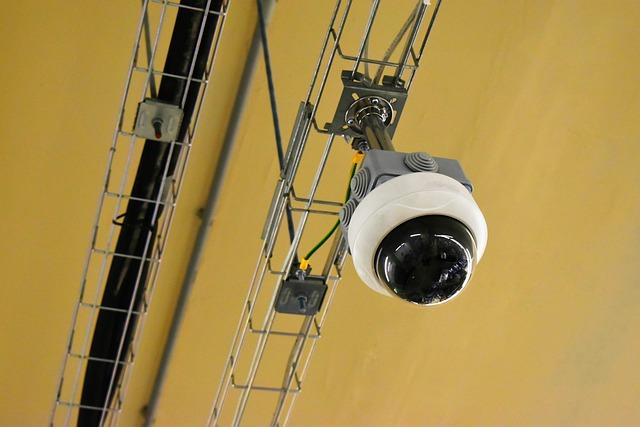
Hammersmith & Fulham is rolling out a new generation of CCTV technology in a bid to give the Met Police a sharper edge in the fight against crime. Backed by significant investment and cutting‑edge digital tools,the upgraded camera network is designed to improve response times,bolster investigations and make streets safer for residents and businesses alike. From higher‑definition imagery to smarter, more integrated systems, the borough’s latest surveillance overhaul marks a decisive shift in how public spaces are monitored and how key evidence is gathered across west London.
Enhancing surveillance capabilities in Hammersmith and Fulham to support Met Police investigations
The council is rolling out a new generation of CCTV systems that give Met Police officers clearer, faster access to vital evidence within minutes of an incident. High-definition cameras, intelligent video analytics and secure, real-time feeds to the Met’s control rooms are being deployed at transport hubs, high streets and known crime hotspots, helping officers to trace suspects, track stolen vehicles and corroborate witness statements. Footage is retained in line with strict privacy rules, yet can be searched more efficiently, allowing detectives to quickly isolate key moments and build stronger cases for court.
Working closely with local Safer Neighbourhood Teams, the new network is being configured to respond to emerging crime patterns, with cameras able to be re‑tasked or prioritised as investigations develop. This includes:
- Targeted coverage of burglary and robbery hotspots
- Enhanced night-time visibility in areas with busy nightlife
- Integrated alerts for suspicious activity detected by analytics
- Rapid footage sharing with investigating officers and specialist units
| Area | Focus | Benefit to Met Police |
|---|---|---|
| Transport hubs | Robbery & pickpocketing | Faster suspect identification |
| High streets | Shoplifting & ASB | Stronger evidential footage |
| Residential zones | Burglary & car crime | Improved offender profiling |
Balancing public safety with privacy safeguards in the rollout of advanced CCTV systems
The borough’s new network of high-definition cameras and smart analytics is being introduced alongside a firm commitment to civil liberties. Footage is encrypted, access is tightly controlled, and every use of advanced features such as facial or pattern recognition is logged and auditable. Data is retained only for clearly defined periods, and only for legitimate policing or community safety purposes. To reinforce public oversight, the council and the Met are exploring regular publication of anonymised performance data, so residents can see how frequently enough the system is used, for what types of incidents and with what results.
Officials say the technology will be governed by a framework built on transparency, necessity and proportionality, developed in line with UK data protection law and human rights standards. Practical safeguards include:
- Autonomous scrutiny by ethics and residents’ panels
- Clear signage wherever cameras operate in public spaces
- Strict role-based access to live feeds and archived footage
- Routine audits to detect misuse or unauthorised viewing
- Public reporting routes for complaints and subject access requests
| Public Priority | How the CCTV upgrade responds |
|---|---|
| Safer streets | Faster identification of crime hotspots |
| Privacy | Minimised data collection and shorter retention |
| Accountability | Published oversight reports and clear appeal routes |
Targeted deployment of cameras in crime hotspots and transport hubs across the borough
The latest generation of CCTV will be strategically placed where it can make the biggest difference to public safety, using crime data, community feedback and transport usage patterns to guide each installation. This means more eyes on late-night high streets, entrances to busy estates, riverwalks and around schools, and also critical transport interchanges such as bus stations and Tube entrances. By focusing investment in these locations, the Met and the council aim to deter violence, robbery and antisocial behavior, while providing sharper, court-ready evidence when offences do occur.
Local residents, transport operators and businesses are being invited to help shape where cameras go and how they are monitored, so that civil liberties and privacy are protected while offending is disrupted. Priority locations include:
- Night-time economy zones – bars, clubs and takeaway hotspots
- Major bus corridors – stops with persistent reports of harassment and theft
- Rail and Tube gateways – key points where commuters arrive and disperse
- Estate entrances and cut-throughs – areas used for drug dealing or fly-tipping
| Location Type | Primary Focus | Expected Benefit |
|---|---|---|
| High streets | Street robbery & shoplifting | Faster suspect identification |
| Bus & Tube hubs | Pickpocketing & harassment | Safer daily journeys |
| Housing estates | ASB & vandalism | Quicker response to repeat incidents |
Ensuring transparency community engagement and robust oversight of new CCTV technology
Residents will be able to see not only where cameras are positioned, but also how they are managed, audited and tested. A publicly accessible online camera map, regular performance updates to council committees and clear signage at key locations will give people the data they need to understand how footage is captured and used. Community drop-in sessions, led jointly by council officers and Met Police representatives, will invite questions on data retention, facial recognition safeguards and how evidence is shared with other agencies. To keep everyone informed in real time,the council will make use of its website and social media channels to publish concise updates on major deployments and any changes to how the system operates.
Local people, businesses and civil liberties groups will be encouraged to shape policy through structured engagement, including targeted consultations, youth forums and residents’ panels.An independent oversight group, including legal experts and digital rights advocates, will review compliance with privacy law and ethical standards, reporting its findings in plain language. To make scrutiny easier, key governance measures will be summarised in a simple format, such as the table below:
| Area | What residents can expect |
|---|---|
| Data protection | Strict retention limits and encrypted storage |
| Public oversight | Annual reports and independent audits published online |
| Community input | Open consultations before major technology changes |
- Clear rules: Published policies explaining how and why footage is used.
- Regular review: Scheduled checks to ensure technology stays proportionate and lawful.
- Accessible complaints process: Simple routes for residents to raise concerns or request information.
To Wrap It Up
As the Met and the council place increasing faith in digital tools to keep streets safe, residents will be watching closely to see whether the technology delivers on its promise. For now, the upgraded CCTV network marks a significant step in Hammersmith & Fulham’s strategy to deter offenders, support investigations and reassure the public. Whether it becomes a model for the rest of London may ultimately depend not just on how many crimes it helps solve, but on how effectively it balances security with civil liberties in the years ahead.