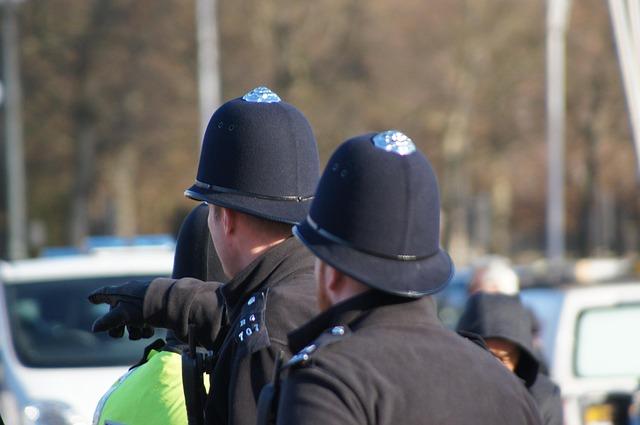
On a damp weekday evening in east London, the city’s underbelly hums just out of sight: the quiet tension of housing estates, the glow of chicken shops, the coded chatter of rival groups on social media. This is where the Metropolitan Police’s serious violence squads now spend much of their time-away from the public glare of Oxford Circus or Westminster, and deep inside the neighbourhoods where knife crime, drug disputes and tit-for-tat attacks have become grimly routine.
Channel 4’s “On the ground with London police serious violence squad” takes viewers inside this often-closed world, following specialist officers as they chase intelligence leads, respond to volatile incidents and navigate the fraught relationship between law enforcement and communities who feel both over-policed and under-protected. Against a backdrop of political pressure over crime statistics, racial disparities in stop and search, and repeated promises to “get tough” on offenders, the film offers a rare, unvarnished look at the frontline of Britain’s battle with serious violence-and the uncomfortable questions it raises about power, trust and what safety really means in the capital.
Inside the daily operations of Londons serious violence squad
They start before dawn in a low-lit briefing room, coffee cooling beside radios and case files. Detectives, data analysts and uniformed officers huddle around projected maps where red pins mark overnight stabbings, firearms sightings and gang flare-ups. A sergeant talks through overnight intelligence: a social media dispute brewing between rival postcodes; a handgun believed to be circulating between teenage runners; a victim too afraid to press charges, but whose name keeps surfacing. From there, the day fractures into simultaneous strands of work: covert officers track high‑risk suspects, frontline teams conduct weapon sweeps in estates and parks, and specialist staff comb CCTV and phone records in search of patterns.
Much of the work is quiet and methodical rather than dramatic blue-light chases. Officers sift through seized phones, cross‑reference names in gang matrices, and make discreet visits to schools, hospitals and youth clubs. Their routine tools include:
- Targeted patrols in knife‑crime hotspots, guided by live data
- Rapid weapon sweeps of stairwells, bins and playgrounds
- Unannounced home visits to those on bail or license for violent offences
- Digital intelligence work tracking threats traded on closed messaging apps
- Partnership meetings with youth workers and probation officers
| Daily Focus | Example Task | Primary Aim |
|---|---|---|
| Disruption | Arrest high‑risk knife carrier | Remove immediate threat |
| Prevention | School visit after local stabbing | Deter retaliatory attacks |
| Intelligence | Analyze encrypted chat logs | Map gang networks |
| Reassurance | Patrol estate after shooting | Calm community tensions |
Community relations and the impact of high visibility policing
On estates where word travels faster than any patrol car, the sight of extra uniforms, marked vans and flashing blue lights is both reassurance and warning.Residents in the film talk about feeling “safer, but watched,” revealing the delicate balance between deterrence and distrust. High-visibility patrols bring officers out of cars and into stairwells, shopfronts and youth clubs, forcing face‑to‑face encounters that can either build fragile alliances or deepen long-standing tensions. The squad’s presence acts as a moving spotlight: illuminating knife hotspots, school routes and bus stops, but also exposing the fractures between young people who feel targeted and older neighbours who quietly welcome the clampdown.
- Reassurance: visible patrols calm immediate fears of stabbings and reprisals.
- Suspicion: repeated stop and search fuels perceptions of profiling.
- Dialog: on-the-street conversations open channels beyond emergency calls.
- Reputation: every interaction becomes word-of-mouth PR for the Met.
| What Locals See | What Officers Aim For | Likely Community Effect |
|---|---|---|
| Vans on corners | Claiming risky spaces | Short-term calm, long memories |
| Frequent stops | Seizing weapons early | Trust traded for safety |
| Names learned | Humanising the badge | Doors open, intel shared |
As cameras follow the squad, each encounter is magnified: the officer who explains a search and listens, versus the one who appears rushed or dismissive. These micro-moments shape whether residents see the surge as a temporary occupation or the start of a more accountable, long-term presence. The broadcast captures a city negotiating with itself in real time-between the urgency to stop the next stabbing tonight and the slower, less telegenic work of rebuilding confidence in a badge that, for many, has only ever appeared under flashing lights.
Data led tactics how intelligence shapes frontline decisions
Inside the unmarked cars and briefing rooms, laptops glow brighter than the blue lights. Officers scroll through live dashboards that map knife incidents,flag repeat victims and highlight streets where grudges simmer. It’s not guesswork; it’s a rolling calculation of risk. Analysts push updates to the squad’s mobiles, narrowing vast boroughs down to a handful of stairwells, bus stops and chicken shops where a stop at the right moment can derail a planned attack. The numbers don’t replace instinct, but they recalibrate it, turning vague “gut feeling” into traceable patterns of behavior and movement.
The squad’s nightly routine now starts with the data,not the car keys. Briefings are built around:
- Heat maps showing fresh spikes in stabbings or weapons sightings.
- Network diagrams linking known offenders, associates and vehicles.
- Time-of-day profiles revealing when tensions typically ignite.
- Location risk scores guiding where to patrol, wait or intervene.
| Intel Source | How It’s Used |
|---|---|
| 999 calls | Spot emerging hotspots within hours |
| Stop & search data | Track weapon routes and repeat carriers |
| CCTV reviews | Identify movement patterns before clashes |
| Hospital admissions | Reveal unreported attacks and hidden feuds |
Policy lessons and practical recommendations for tackling urban violence
Footage from the squad’s long nights on estates and high streets makes one thing unmistakably clear: enforcement alone cannot carry the whole burden. Effective strategies blend targeted policing with prevention,community trust-building and smarter use of data. That means prioritising the most harmful individuals and locations, while ring‑fencing investment for youth services, mental health outreach and employment pathways. It also means reshaping accountability: public bodies,schools,housing providers and health services must share obligation for what happens on the streets,instead of offloading the consequences onto officers who arrive only after tensions explode.
- Invest early in youth work,trauma-informed counselling and mentoring linked to local schools and colleges.
- Share data lawfully across agencies to spot brewing hotspots and individuals at risk, not just those already in custody.
- Embed community voices in decision-making boards, giving residents real power over local safety budgets.
- Support place-based policing so the same officers stay on the same patches long enough to build credibility.
- Measure outcomes beyond arrest figures, focusing on reduced harm, fewer hospital admissions and safer public spaces.
| Focus Area | Key Action | Expected Impact |
|---|---|---|
| Policing | Target small, high‑risk networks | Fewer retaliatory attacks |
| Community | Co-design patrol routes | Higher trust and cooperation |
| Public Health | Hospital-based intervention teams | Reduced repeat stabbings |
| Youth | Fund evening safe spaces | Less street exposure to gangs |
Wrapping Up
As the cameras stop rolling and the patrol cars pull back into the depot, what remains is a picture of a city grappling with violence that is both visible on the streets and deeply rooted in its social fabric. The officers of the serious violence squad move on to the next call, the next briefing, the next operation; for them, the long nights and split-second decisions are routine, even as each encounter carries the weight of public scrutiny and personal risk.
Channel 4’s time on the ground with the unit offers only a snapshot of an evolving battle against knives, guns and organised crime. It reveals the tensions between enforcement and trust, between the urgent need to stem bloodshed and the longer, harder work of tackling why young people pick up weapons in the first place.
the squad’s efforts are just one part of that wider story. What happens in London’s estates, alleyways and high streets will depend not only on how effectively the police pursue offenders, but also on the choices made in classrooms, youth centres, courts and council chambers. The serious violence squad can confront the symptoms; the question that lingers is who will ultimately cure the cause.