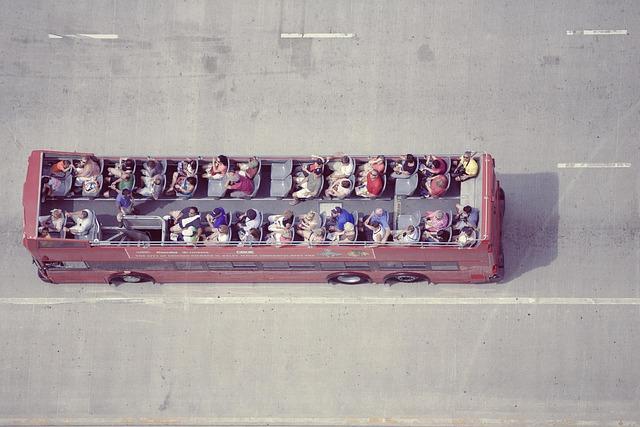
Bus services across East London face potential disruption as hundreds of drivers prepare to vote on strike action in a dispute over fatigue and working conditions. Unite the Union, which represents the drivers, says members are being pushed to the limit by long shifts, insufficient rest breaks and what they describe as “relentless” scheduling pressures. Operators insist services are being run safely and within legal limits, but commuters could soon find themselves caught in the middle of an escalating row over how far the capital’s bus network can be stretched. The ballot, which could lead to walkouts in the coming weeks, raises fresh questions about passenger safety, staff welfare and the resilience of London’s already strained public transport system.
Escalating fatigue concerns among East London bus drivers and the roots of the dispute
Drivers on some of East London’s busiest routes say that the working day has become a “relay of exhaustion”, with back‑to‑back shifts, inadequate recovery time and mounting pressure to meet punctuality targets. Unite reps report that members are regularly asked to work extended duties and split shifts that stretch from early morning into late evening, disrupting sleep patterns and family life.Behind the wheel, this translates into slower reaction times, rising stress levels and a growing fear that a serious incident is only a matter of time. Drivers argue that, while they carry legal responsibility for passenger safety, the scheduling decisions are driven by cost-cutting and contract competition rather than by safe staffing and realistic timetables.
Union officials say the ballot is the culmination of months of ignored grievances and stalled negotiations. Frontline staff describe a culture where raising concerns about tiredness is treated as a performance issue rather than a safety warning, with some alleging subtle pressure to decline rest days and overtime refusals. Key flashpoints include:
- Rostering practices that bunch demanding routes together with minimal breaks.
- Unpredictable shift patterns that make consistent rest and family planning almost impossible.
- Insufficient welfare facilities at termini, from lack of seating to limited access to hot food and clean toilets.
- Disciplinary procedures that focus on lateness, not the fatigue risks behind it.
| Issue | Impact on Drivers | Impact on Passengers |
|---|---|---|
| Long shifts | Accumulated tiredness | Higher safety concerns |
| Irregular rest | Disrupted sleep | Service unreliability |
| Route pressure | Increased stress | Rushed driving |
How potential strike action could disrupt key routes and vulnerable passengers in East London
East London’s bus network is a lifeline for workers on early shifts, school pupils, hospital staff and patients, yet looming industrial action threatens to choke off some of its most heavily used routes. Services linking residential areas in Barking, Dagenham, Newham and Tower Hamlets with major transport interchanges and hospitals are expected to be hit hardest, especially during peak hours when timetables are already tight. Transport planners fear that any withdrawal of labour, even for a short period, could trigger a chain reaction of delays and overcrowding across connecting Tube and rail services, while also pushing more cars onto roads that are already congested and polluted.
For many of the most at-risk passengers, there is no easy fallback. Older residents who rely on low-floor buses for step-free access, shift workers travelling at unsociable hours when other public transport is sparse, and parents with young children could see journey times lengthen dramatically or become impossible without costly alternatives. Charities in the area have already raised alarms about how missed medical appointments and disrupted school runs may deepen existing inequalities. The table below highlights some of the passenger groups most exposed to service cuts and the potential impact on their daily lives:
| Passenger group | Main reliance on buses | Risk if services disrupted |
|---|---|---|
| Shift workers | Early/late travel to industrial estates and hospitals | Missed shifts, loss of income |
| Older and disabled people | Step-free access to clinics and local shops | Cancelled appointments, increased isolation |
| Low-income families | School runs and essential errands | Interrupted schooling, higher travel costs |
| Young people | College and training routes | Late arrivals, course disruption |
- Vital hospital links in Newham, Whitechapel and Homerton particularly exposed.
- Feeder routes to Tube and rail could see severe knock-on congestion.
- Night and early-morning services leave shift workers with few alternatives.
- Already overburdened roads may experience spikes in traffic and pollution.
What Unite the Union demands and how operators and Transport for London are responding
Union representatives argue that driver fatigue has reached a tipping point and are pressing for a package of reforms they say will make East London’s bus network safer for staff and passengers alike. Their key demands include:
- Guaranteed longer recovery breaks between trips and at end‑of‑line stands.
- Limits on excessive split shifts and tightly packed rosters that leave little time for rest.
- No loss of earnings where schedules are adjusted to improve safety and reduce fatigue.
- Autonomous fatigue risk assessments for all busy corridors and night routes.
- Formal consultation rights for Unite safety reps on timetable changes and route tenders.
Bus operators and Transport for London have adopted a mixed stance,combining public reassurances with behind‑the‑scenes contingency planning. While companies insist existing duty schedules meet regulatory standards, several have opened talks on revising rotas and adding “fatigue‑safe” controls to scheduling software. TfL, for its part, points to its existing bus safety program but has confirmed that it is reviewing performance data on near‑misses and driver hours across East London depots. Early proposals on the table include trialling additional stand time on the most congested routes and a joint monitoring panel with union representation, as reflected in the outline below:
| Issue | Unite’s Position | Operator/TfL Response |
|---|---|---|
| Break Lengths | Extend & protect paid breaks | Trial longer stand times on key routes |
| Rostering | Cap split shifts, predictable patterns | Review scheduling algorithms |
| Pay Protection | No loss of earnings from safer duties | “Cost‑neutral where possible” |
| Safety Oversight | Union seat on fatigue panels | Considering joint monitoring forum |
Practical steps for passengers to plan journeys and stay informed amid possible bus strikes
With ballots underway and potential industrial action looming, passengers across East London can minimise disruption by lining up alternative routes and information sources now rather than waiting for walkouts to be confirmed. Check your regular services on Transport for London (TfL) and operator websites, and save the pages as bookmarks on your phone. Build a shortlist of options such as nearby Tube or Overground stations, cycling routes, or walking links between key hubs. For essential journeys, identify the earliest and latest services that typically run, and consider adjusting working hours or medical and childcare appointments. Commuters can also speak to employers in advance about flexible working or remote options on days when services may be severely reduced.
- Follow: TfL status updates, local news outlets, and Unite announcements
- Prepare: extra travel time and backup routes via rail, Tube, or walking
- Store: offline maps and key apps on fully charged devices
- Coordinate: car shares or community lifts for vulnerable travellers
- Monitor: late-night and early-morning services, which are often hit hardest
| Tool | Use |
|---|---|
| TfL Journey Planner | Check live diversions and alternative routes |
| Operator apps | Service alerts for specific bus lines |
| News & alerts | Strike dates, ballots and negotiation updates |
| Maps apps | Walking and cycling options between key hubs |
Key Takeaways
As Unite’s ballot unfolds, passengers in East London face the prospect of meaningful disruption to their daily journeys, with the dispute shining a wider spotlight on working conditions across the bus network. Whether the vote leads to strike action or a negotiated settlement, the outcome will test the resolve of both the union and operators over how far the system can be pushed before fatigue, safety and service reliability collide. For now, commuters, drivers and transport planners alike are left waiting to see if this latest flashpoint becomes another chapter in London’s long-running battle over the real cost of keeping the capital moving.