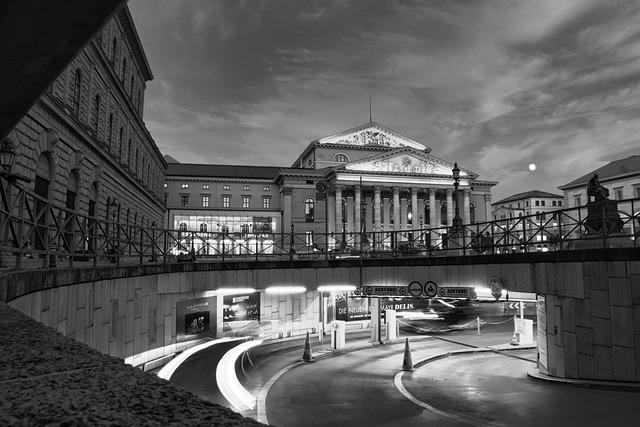
Few West End shows can rival the sheer staying power of Les Misérables. Since first opening in London in 1985, the musical has become a theatrical landmark, drawing generations of theatregoers to its barricades at the Sondheim Theater. Based on Victor Hugo’s 19th-century novel of revolution, redemption and unrequited love, the production has weathered changing trends, critical debate and countless cast changes to remain a box office phenomenon.
Today, Les Mis is not just a long-running hit; it’s a key part of London’s cultural identity. Tourists build trips around it, locals return again and again, and new audiences discover its anthems every night. But what makes this show endure? How has it evolved? And what should you know before booking a ticket?
This guide unpacks everything you need to know about Les Misérables in London – from its history and production to casting, staging, ticket tips and what to expect when those famous opening chords begin.
History and legacy of Les Misérables in London’s West End
When the barricades first rose at the Barbican in 1985, few expected this sung-through adaptation of Victor Hugo’s epic to redefine musical theatre in the capital. Transferring to the Palace Theatre in 1986 and later to its purpose-refitted home at the Sondheim Theatre, the show weathered lukewarm early reviews to become a phenomenon, powered by word-of-mouth audiences who kept coming back for more. Over the decades, it has survived changing trends, economic downturns and even a temporary closure during theatre refurbishments, returning each time with renewed force. Its familiar revolving stage, rain-slicked barricades and tricolour-strewn finales have become part of the visual vocabulary of the West End, as recognisable to London theatregoers as the illuminated billboards of Piccadilly Circus.
Across generations, this production has become a rite of passage for performers and audiences alike, shaping careers and cementing London’s reputation as a global hub for mega-musicals.Its influence radiates far beyond Shaftesbury Avenue:
- Industry benchmark: A template for long-running commercial musicals balancing artistry and scale.
- Star-maker: Launchpad for major talents who cut their teeth as Éponine, Javert or Jean Valjean.
- Cultural touchstone: Songs such as “I Dreamed a Dream” and “One Day More” now function as modern standards.
- Global export: The London staging has inspired international productions and the hit film adaptation.
| Milestone | Year |
|---|---|
| London premiere at the Barbican | 1985 |
| Move to the Palace Theatre | 1986 |
| Becomes West End’s longest-running musical | 2006 |
| Reopens at the Sondheim Theatre | 2019 |
What to expect from the current London production cast staging and design
The Sondheim Theatre hosts a refreshed staging that trades the old rotating barricade for a more cinematic approach, using digital backdrops and sculpted lighting to evoke Parisian streets, sewers and battlefields with remarkable clarity. Expect a darker, moodier palette, where shafts of light cut through haze to spotlight intimate character moments, while the ensemble moves with almost choreographed precision around minimal yet richly textured set pieces. The barricade itself feels raw and improvised, built from battered furniture and splintered wood, giving the student uprising a visceral sense of urgency. Costume design remains satisfyingly period-authentic, but with bolder contrasts in color and texture that help distinguish the sprawling company at a glance.
The current cast leans into character-driven storytelling, with performances that favour emotional nuance over sheer vocal power, though you’ll still get the goosebump-inducing high notes in “I Dreamed a Dream”, “Bring Him Home” and “One Day More.” Direction keeps the pace taut, ensuring the three-hour running time feels lean and propulsive, while subtle choreographic choices bring new life to familiar scenes. Look out for:
- Sharper character arcs for Valjean, Javert and Éponine, underscored by intimate lighting cues.
- Heightened ensemble work that turns crowd scenes into living murals of 19th-century Paris.
- Refined sound design that balances full-orchestra power with crystal-clear vocals.
- Carefully judged comic relief from the Thénardiers, breaking the tension without derailing the tone.
| Visual Style | Cinematic, atmospheric, digitally enhanced backdrops |
| Key Set Piece | Gritty, improvised barricade dominating the stage |
| Performance Focus | Nuanced acting with powerhouse vocals |
| Ideal For | First-timers and returning fans seeking a fresh take |
How to choose the best seats and ticket options for Les Misérables in London
With a show as visually evocative as Les Misérables, where you sit at the Sondheim Theatre can subtly reshape the story you experience. Fans of sweeping barricade tableaux and intricate lighting cues should lean toward the front of the Dress Circle, where you gain a cinematic frame of the stage without losing facial detail. Those who want to feel the orchestra in their chest and lock eyes with the performers might prefer the front Stalls (especially central blocks), accepting that some larger set pieces will feel more enveloping than panoramic. Budget-conscious theatregoers can still win big: seats with minor restrictions (like overhangs or safety rails) are often substantially cheaper yet offer memorable views. When browsing, keep an eye out for seat-view photos and maps on ticketing pages, and compare sections using simple rules of thumb:
- Stalls (front-mid): best for immersion and vocal power.
- Dress Circle (front): best for balanced, “West End postcard” views.
- Upper Circle: best for value and an overview of the staging.
- Aisle seats: extra legroom, easy exit, sometimes side-on views.
| Ticket Type | Best For | What to Know |
|---|---|---|
| Premium | Special occasions | Central, close, highest prices |
| Standard | First-time visitors | Balanced view and comfort |
| Restricted View | Smaller budgets | Partial obstructions, big savings |
| Day Seats/Rush | Last-minute planners | Limited allocation, check apps early |
| Group & Off-peak | Families and groups | Cheaper midweek and matinees |
To sharpen your search further, look for midweek evening or mid-afternoon matinee performances, which frequently enough undercut peak Friday and Saturday nights.Dynamic pricing means popular dates-school holidays, bank holiday weekends, and press nights-can push even standard seats into premium territory, so versatility is your strongest bargaining chip.Always compare official theatre box office prices with reputable theatre ticket agents before committing; small differences in booking fees or seat selection can translate to significant savings across multiple tickets. consider your personal priorities-whether that’s legroom, proximity to the orchestra pit, or a child’s clear view over the row in front-and let that guide your choice. A smart pairing of seat and ticket type ensures you step into the world of Victor Hugo’s Paris at exactly the angle you want.
Insider tips for planning your Les Misérables theatre trip and nearby attractions
For the smoothest experience, aim to arrive at the Sondheim Theatre at least 30-40 minutes before curtain up to clear security, pick up drinks, and find your seat without rushing through Shaftesbury Avenue crowds. Matinees are frequently enough kinder on both budgets and queues, while midweek performances can have better availability in the coveted front stalls and dress circle. To keep costs down, look out for day seats, limited-time online flash sales, and reputable TKTS deals on the day. If you’re bringing younger theatregoers, consider matinees and seats a little farther back – the view is still strong, and the intense barricade scenes feel less overwhelming. Nearby, you’ll find plenty of pre-theatre menus designed to get you fed and seated on time; plan to finish your meal 45-60 minutes before showtime.
- Nearest Tube: Piccadilly Circus (Bakerloo, Piccadilly lines)
- Speedy bites: Soho side streets for ramen, pizza, and small plates
- Classic pubs: Customary boozers tucked behind Shaftesbury Avenue
- Late-night options: Chinatown restaurants serving after the final curtain
| Time of Day | Pre-Show Suggestion | Nearby Attraction |
|---|---|---|
| Morning matinee | Coffee and pastries in Soho | National Gallery on Trafalgar Square |
| Afternoon matinee | Light lunch on Carnaby Street | Liberty London & Regent Street shopping |
| Evening performance | Pre-theatre set menu in Chinatown | Piccadilly Circus & Leicester Square lights |
Between curtain calls, you can turn the day into a mini cultural tour. Start with a stroll through Covent Garden to catch street performers and independent boutiques, then wander towards the Royal Opera House for a look at London’s wider performance heritage. For Victor Hugo fans, pair the musical with a visit to the House of Illustration style galleries or independent bookshops around Charing Cross Road to pick up a fresh copy of the novel. After the show, step into Soho’s jazz bars, wine spots, or dessert cafés to dissect favorite numbers and standout performances. With everything within walking distance,the real secret is to build in time – before and after the performance – so the city,as much as the production,becomes part of your theatre story.
The Way Forward
As “Les Misérables” continues its unusual run in the West End, it remains more than just a musical: it is a landmark of London theatre. From its sweeping score and enduring characters to the evolving ways it is staged and experienced, the production has become part of the city’s cultural fabric.
Whether you’re planning your first visit to the barricades or returning to rediscover the show with fresh eyes, understanding its history, its creative legacy, and the practicalities of seeing it in London will help you get the most out of the experience. In a theatre landscape that is constantly changing, “Les Misérables” endures as proof that a powerful story, told with conviction, can resonate across generations – and still bring audiences to their feet night after night.