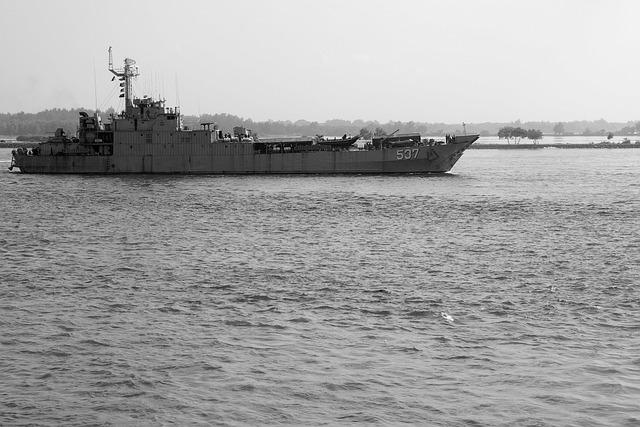
The United Kingdom, long considered a cornerstone of Western naval power, is facing mounting criticism after being branded a “national embarrassment” for reportedly running out of deployable warships. The stark warning, highlighted by London Business News, has reignited debate over the state of the Royal Navy, defense spending, and Britain’s capacity to project military strength on the global stage. As geopolitical tensions rise and maritime security grows more complex, concerns are intensifying that years of budget constraints, ageing vessels, and competing strategic priorities have left the UK dangerously exposed at sea.This article examines how the situation has unfolded, what it reveals about the country’s defence posture, and the implications for Britain’s role on the world stage.
Causes behind the shrinking Royal Navy fleet and what it means for UK defence credibility
The erosion of Britain’s surface fleet is rooted in a mix of political short-termism,spiralling program costs and an overreliance on future technologies that are forever “just around the corner.” Successive governments have treated defence budgets as a convenient cashpoint for peacetime savings, leading to delayed procurement and early retirement of still-capable vessels.Flagship projects such as the Type 26 and Type 31 frigates, while technologically impressive on paper, have been dogged by budget squeezes and redesigns, slowing delivery and leaving gaps in capability. At the same time, rising personnel costs and recruitment challenges have pushed the Navy to consolidate crews onto fewer hulls, creating a vicious cycle in which:
- Older ships are withdrawn before replacements arrive
- Maintenance backlogs grow as vessels are worked harder
- Training pipelines struggle to keep pace with complex new platforms
- Industrial capacity is stretched by stop-start ordering
| Year | Major Warships in Service* | Key Pressure |
|---|---|---|
| 2000 | ~35 | Post-Cold War cuts |
| 2010 | ~23 | Austerity & SDSR 2010 |
| 2024 | ~18 | Delays to new frigates |
*Estimated destroyers and frigates
This shrinking order of battle has direct implications for the UK’s strategic credibility. A state that aspires to be a framework nation in NATO and a visible power in the Indo-Pacific now struggles to sustain multiple long-term deployments without robbing Peter to pay Paul. In practical terms, fewer hulls mean fewer options: less presence in contested shipping lanes, reduced escort capacity for carriers and vital merchant shipping, and limited surge ability in a crisis. Allies notice when Britain cannot consistently provide a frigate for a standing NATO group or has to rotate ships early for lack of relief. The perception risks hardening that the UK is “big on rhetoric, thin on steel,” undermining its leverage in alliance diplomacy and raising uncomfortable questions about whether London can still match its global ambitions with hard maritime power.
Impact on NATO obligations and global maritime security as UK warship numbers fall
As frigates and destroyers quietly slip below the minimum numbers long assumed in Whitehall, diplomatic communiqués are having to work harder to mask a stark reality: the UK can no longer guarantee the same level of naval presence across critical NATO chokepoints and sea lanes. Fewer hulls mean thinner patrol patterns in the North Atlantic, less frequent contributions to Standing NATO Maritime Groups, and reduced capacity to escort allied vessels through contested waters. Behind closed doors, alliance planners are recalibrating assumptions about Britain’s role as the dependable “framework nation” at sea, while partners such as the US, France and Norway are being asked to shoulder more of the daily burden of deterrence and surveillance. The message to Moscow, Beijing and other opportunistic actors is unambiguous: gaps are opening in the Western maritime shield.
This contraction also reverberates across global trade routes where Royal Navy task groups once provided a visible backstop against piracy, state harassment and grey-zone interference. With less steel in the water, key missions are being ruthlessly prioritised, leaving secondary theatres exposed and heightening the risk that a single crisis could overwhelm available assets. Analysts warn that the UK’s shrinking fleet undercuts its own rhetoric on “Global Britain” and complicates NATO’s efforts to project credible power from the High North to the Indo-Pacific. Among defence insiders, three concerns dominate:
- Alliance credibility: Difficulty meeting pledged readiness levels and rotational commitments.
- Strategic overstretch: Fewer ships chasing more tasks in the Baltic, Black Sea and Red Sea corridors.
- Deterrence risk: Adversaries testing response times in under‑patrolled waters.
| Area | Past UK Presence | Current Reality |
|---|---|---|
| North Atlantic | Regular ASW patrols | Fewer, longer gaps |
| Baltic Sea | Routine NATO escorts | Shared cover with allies |
| Indo-Pacific | Symbolic carrier deployments | Ad hoc, limited presence |
How procurement failures and budget choices left Britain exposed at sea
For more than a decade, a pattern of stop-start shipbuilding, delayed contracts and shifting political priorities has hollowed out the Royal Navy’s surface fleet. Successive governments chose short-term savings over long-term capability, pushing back orders for Type 26 and Type 31 frigates, while ageing Type 23s were kept in service beyond their intended lifespan. The result is a shrinking pool of seaworthy vessels, yards that struggle to retain skilled labor, and a defence industrial base caught in a cycle of feast and famine. Behind closed doors, officials warned that cutting “non-essential” maintenance, raiding contingency funds and trimming training budgets would have compounding effects at sea; those warnings are now playing out in full view.
The squeeze was not just about how much money was spent, but where it was directed. Big-ticket prestige projects and headline-grabbing announcements often won out over the nuts-and-bolts investments that keep ships deployable and crews ready. Analysts point to a series of trade-offs that quietly undermined readiness:
- Delays in new-build frigates that left capability gaps as older hulls retired.
- Underfunded maintenance leading to extended periods in dock and reduced availability.
- Training and recruitment cuts that stretched crews and limited specialist skills.
- Fragmented procurement that drove up costs and discouraged long-term planning.
| Decision Area | Short-Term Gain | Long-Term Impact |
|---|---|---|
| Frigate orders delayed | Lower annual spend | Fewer ships on station |
| Maintenance trimmed | Budget undershoot | More unplanned refits |
| Training reduced | Immediate savings | Reduced readiness |
| Industrial gaps | Short-term flexibility | Loss of skills, higher costs |
Strategies to rebuild naval strength through smarter investment industry reform and alliances
The path back from “national embarrassment” status will not be paved simply by buying more ships; it demands a reshaping of how the UK spends, innovates and partners. That starts with smarter capital allocation: prioritising multi-role platforms, modular designs and open-architecture systems that can be upgraded cheaply and quickly rather than retired early. London can leverage the City’s financial firepower through defence-focused infrastructure bonds and blended public-private funds to de-risk investment in new yards, green ship propulsion and digital shipyards. This approach, underpinned by rigorous performance metrics, would reduce wasteful overruns and align incentives across Whitehall, industry and investors.
- Modular warship designs that cut build times and enable rapid refits
- Stronger export pipelines to keep UK shipyards busy between Royal Navy orders
- Joint procurement with allies to lower unit costs and harmonise standards
- Technology-sharing pacts in AI, cyber and underwater systems
| Focus Area | Key Partner | Benefit |
|---|---|---|
| Frigate co-design | Australia & Canada | Shared R&D cost |
| Subsurface tech | US & AUKUS allies | Advanced deterrence |
| Arctic patrols | NATO Nordics | Enhanced presence |
Reform of the defence-industrial base is equally crucial. Streamlining procurement rules, enforcing long-term build pipelines, and tying contracts to export performance would stabilise order books and justify investment in skills and automation. Simultaneously occurring, deeper alliances-whether under NATO, AUKUS or bespoke bilateral deals-can definitely help the UK plug temporary capability gaps with shared task groups and rotational basing, while British yards focus on catching up. If executed coherently, this blend of targeted spending, industry overhaul and purposeful diplomacy would turn a moment of humiliation into a catalyst for a leaner, more resilient naval force.
The Conclusion
As questions mount over the UK’s shrinking surface fleet, the charge of “national embarrassment” is highly likely to echo far beyond Westminster. With new frigates and support vessels years away from full operational readiness, ministers now face a stark choice: accelerate investment and procurement reform, or accept a diminished role for Britain on the world’s seas.For defence chiefs, the concern is not just reputational but strategic. At a time of rising global tension, the Royal Navy’s ability to sustain deployments, protect shipping lanes and meet NATO commitments is under unprecedented pressure. Business and industry leaders, too, are watching closely, warning that gaps in maritime capability could weaken the UK’s appeal as a reliable security and trading partner.
Whether this crisis becomes a turning point will depend on how quickly Whitehall can translate political rhetoric into ships in the water. Until then, the debate over Britain’s naval shortfall will remain a litmus test of the country’s broader ambitions on the world stage-and of its willingness to pay for them.