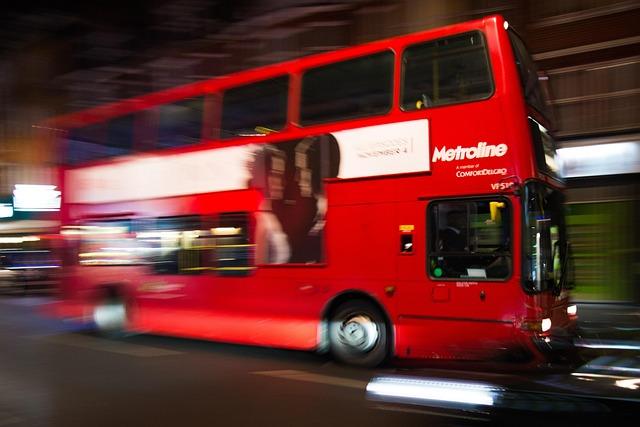
FirstGroup has strengthened its presence in the capital’s booming visitor economy with the £17 million acquisition of a leading sightseeing bus operator, in a deal that underscores growing confidence in London’s tourism and transport markets. The purchase, announced today, will see the FTSE 250 transport giant expand its footprint beyond commuter and regional services into the highly competitive open-top tour segment, as international visitor numbers continue to recover. Industry analysts say the move highlights a strategic shift by major transport firms toward higher-margin leisure services, while raising fresh questions about consolidation, competition and the future shape of London’s iconic sightseeing bus industry.
Strategic implications of FirstGroup’s £17m sightseeing acquisition for the London tourism market
The £17m move signals a shift from fragmented hop-on, hop-off operations to a more integrated visitor mobility ecosystem, perhaps blurring the lines between daily commuting and leisure travel. With FirstGroup’s existing transport footprint,London could see bundled offerings that link airport coaches,rail connections and open-top tours into a single,app-driven experience. This raises competitive pressure on smaller operators, who may struggle to match scale in areas such as digital booking, dynamic pricing and multilingual customer support, while sharpening the focus on data-driven route optimisation and seasonality planning.
At a market level, the acquisition is highly likely to accelerate consolidation and professionalisation in a sector that has historically leaned on low-friction tourism flows rather than refined yield management. Key strategic levers include:
- Product diversification – themed routes, night tours and cross-promotions with attractions and theatres.
- Revenue stacking – packaging tickets with museums, restaurants and river cruises to lift per-visitor spend.
- Tech-enabled operations – contactless boarding, live capacity tracking and real-time language selection.
- Brand repositioning – shifting sightseeing buses from “tourist-only” to a flexible option for short-stay business visitors.
| Strategic Area | Market Impact |
|---|---|
| Pricing Power | Greater ability to set premium fares in peak months |
| Partnerships | Stronger bargaining position with major attractions |
| Innovation | Faster rollout of green fleets and audio-tech upgrades |
| Competition | Heightened pressure on independents to merge or specialise |
Operational integration challenges and opportunities across urban transport and visitor services
As FirstGroup folds open-top sightseeing routes into its existing urban network, the immediate test will be whether conventional commuter operations can synchronise with highly seasonal, experience-led services. Aligning timetables, depot capacity and driver rostering across peak commuter hours and midday tourist surges demands new planning tools and cross-functional control rooms. There are also brand and ticketing frictions to resolve: day-trippers expect flexible, hop-on, hop-off access, while local passengers prioritise reliability and price certainty. To avoid cannibalising either market, executives are weighing differentiated service tiers, dynamic pricing and data-led demand forecasting that can pivot resources quickly between school runs, office commutes and landmark loops.
Yet the same complexities open the door to richer, city-wide mobility offerings that link residents and visitors into a single, smarter ecosystem. By integrating visitor passes with everyday transport products, FirstGroup can turn a single journey into a multi-stop itinerary across buses, trams and attractions. Potential innovations include:
- Unified ticketing that covers local routes and sightseeing services in one purchase.
- Real-time wayfinding via apps that blend commute data with attraction wait times.
- Partner bundles with museums, theatres and retail districts to stimulate off-peak travel.
- Shared analytics with city authorities to smooth congestion around tourism hotspots.
| Area | Challenge | Opportunity |
|---|---|---|
| Scheduling | Clashing peaks | Flexible, data-led timetables |
| Ticketing | Fragmented products | City-wide integrated passes |
| Brand | Mixed expectations | Tiered service experiences |
| Partnerships | Disconnected offers | Joint promotions with key attractions |
Financial outlook how the deal reshapes revenue streams and investor expectations for FirstGroup
Analysts see the £17m acquisition as a intentional pivot towards higher-margin, tourist-driven operations that are less exposed to daily commuter volatility.By folding the sightseeing business into its portfolio, FirstGroup gains access to new, experience-led revenue streams that complement its core bus and rail contracts. The move is expected to:
- Boost seasonal income through peak visitor periods in London and other key cities
- Diversify cash flow away from regulated fare structures
- Unlock cross-selling opportunities with existing transport and ticketing platforms
- Support pricing power via premium, add-on services such as guided tours and bundled attractions
Investors are likely to scrutinise how quickly the acquisition can be integrated and scaled, but early projections suggest the deal could modestly lift group operating margins once synergies in marketing, fleet maintenance and ticket distribution are realised.
| Metric | Pre-deal | Post-deal (Year 2 est.) |
|---|---|---|
| Tourism-related revenue share | 3% | 8% |
| Group operating margin | 7.1% | 7.8% |
| Net debt impact | Stable | Mildly higher, but within guidance |
From a market perspective, the acquisition feeds into a wider narrative of transport operators repositioning themselves as mobility and experiences platforms rather than pure carriers. This strategic shift could support a re-rating of FirstGroup’s equity story if management delivers on promised returns. Key investor expectations now center on:
- Disciplined capital allocation around further bolt-on deals in the tourism and leisure space
- Transparent reporting of the new segment’s performance,including occupancy and yield per seat
- Resilient dividends underpinned by diversified earnings
- Clear ESG narrative on how low-emission sightseeing fleets align with the group’s sustainability targets
In the near term,sentiment will hinge on trading updates from the crucial summer season,but the deal signals a bolder appetite for growth that could reshape how the City values FirstGroup over the medium term.
Policy considerations and recommendations for city planners regulators and competing operators
As consolidation reshapes London’s sightseeing market, policymakers face a delicate balancing act between encouraging investment and preventing an overly dominant player from squeezing out smaller rivals. Regulators may need to revisit existing competition, licensing and route allocation frameworks to ensure that large transport groups cannot simply mirror their public transport dominance in the tourism arena. Tools could include clear caps on market share by route cluster,transparent criteria for the award and renewal of sightseeing permits,and mandatory data-sharing on passenger volumes and pricing. Integrating these operators into wider city objectives-such as emissions reduction and congestion management-will also be crucial, as an example by making the most attractive sightseeing stops conditional on the use of low- or zero-emission fleets and coordinated ticketing with other public transport modes.
For competing operators,survival will depend on agility: niche positioning,differentiated experiences and strategic alliances with hospitality and cultural institutions. City planners can support this diversity by prioritising open access to premium stopping points, guaranteeing fair allocation of kerb space, and ringfencing some routes or time slots for independent and community-based operators. Regulators could also experiment with innovation sandboxes that let smaller firms trial dynamic pricing, app-only services or multilingual, accessibility-focused tours without prohibitive red tape. In practice, this means aligning commercial freedom with public-interest safeguards, as illustrated below:
| Stakeholder | Key Priority | Suggested Measure |
|---|---|---|
| City planners | Street management | Smart kerbside allocation |
| Regulators | Fair competition | Route and permit caps |
| Operators | Service innovation | Partnerships and digital tools |
- Protect diversity: design licensing rules that prevent a single operator from dominating key tourist corridors.
- Link access to standards: tie prime routes and stops to stricter environmental and safety benchmarks.
- Foster collaboration: encourage data-sharing and interoperable ticketing between major groups and independents.
- Monitor consumer impact: track fares, service frequency and accessibility to ensure visitors genuinely benefit from consolidation.
The Way Forward
As FirstGroup moves to fold the sightseeing specialist into its broader transport portfolio, the deal underlines how legacy operators are repositioning themselves for a more experience-driven, post-pandemic travel economy.
Regulatory approvals and integration plans will now determine the pace at which the £17m acquisition translates into tangible gains on the ground. But for London’s tourism and transport sectors, the transaction signals renewed confidence in the capital’s visitor market – and a reminder that the battle for passengers increasingly extends beyond commuting, into how people choose to explore the city itself.