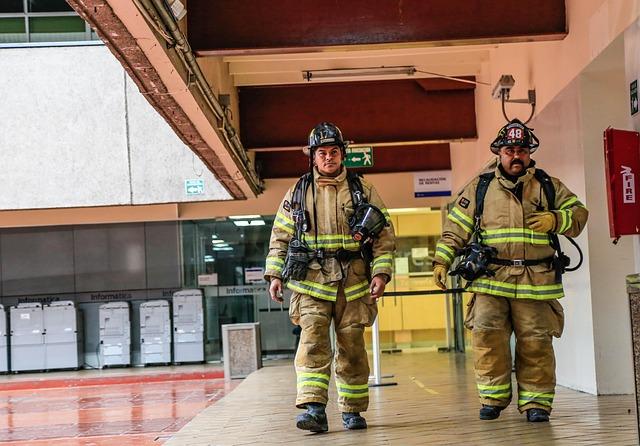
As London’s population ages and more families grapple with the realities of dementia, the London Fire Brigade is sounding the alarm on a hidden but growing risk: fire safety in the home. Dementia can affect memory, judgment and perception, turning everyday tasks such as cooking, heating and smoking into potential hazards.In response, firefighters across the capital are stepping up efforts to support some of the city’s most vulnerable residents – and the carers who look after them – with targeted advice, free home fire safety visits and practical guidance designed to prevent tragedy before it strikes. This article explores the key safety tips they are urging dementia patients and their carers to follow, and why small changes in the home can make a life-saving difference.
Recognising unique fire risks faced by people living with dementia
As memory, judgement and spatial awareness decline, everyday tasks can quietly turn hazardous. London firefighters are increasingly called to incidents where a forgotten pan on the hob, a misplaced cigarette or confusion over how to use an electric heater has escalated into a serious blaze. Disorientation can make it arduous to recognize smoke, react to a sounding alarm or find a safe way out. Sensory changes, such as reduced sense of smell, may mean smoke goes unnoticed, while anxiety or agitation can lead to impulsive actions around open flames or hot appliances. For many, long-held routines involving cooking, candles or smoking continue, even when the ability to manage them safely has changed.
Carers and family members also face complex challenges as they try to balance independence with protection. A home that once felt safe can become a maze of potential ignition sources and escape obstacles, especially when mobility issues and clutter are added to the mix. Firefighters report that certain patterns repeatedly increase risk:
- Unattended cooking due to distraction or confusion
- Unsafe smoking, including smoking in bed or near oxygen equipment
- Misuse of heaters and electric blankets, sometimes covered by clothing or bedding
- Blocked exits from hoarding, moved furniture or locked doors
- Disabled or removed alarms after residents are startled by frequent beeping
| Common Risk | How It Often Appears |
|---|---|
| Kitchen incidents | Burnt pans, scorched worktops, frequent smoke alarms |
| Night-time confusion | Wandering, turning appliances on instead of off |
| Electrical overload | Multiple adaptors, tangled leads, old appliances |
| Difficulty escaping | Not recognising exits, fear of leaving the property |
Practical home safety adjustments recommended by London firefighters
Fire crews across the capital say that small, inexpensive tweaks inside the home can dramatically reduce the risk of a 999 call. They urge families to prioritise working smoke alarms in every bedroom and hallway, to fit clearly labelled isolation switches for cookers and heaters, and to keep doorways and stairs completely clear for a swift escape.Firefighters also recommend replacing open-flame candles with battery-powered versions, securing matches and lighters out of sight, and simplifying electrical setups so that vulnerable residents are not faced with confusing arrays of switches and trailing wires.
To help carers plan calmly rather than react in crisis, London firefighters suggest creating a visible, easy-to-follow safety layout and routine. This can include using large-print reminder notes on doors,color-coded plugs for key appliances,and automatic shut-off devices on kettles,cookers and irons. They also advise removing unnecessary furniture that could trip someone during an evacuation, and using night lights in corridors to reduce disorientation after dark. Below is a quick reference guide based on common household risk areas:
- Kitchen: Fit cooker guards, keep tea towels away from hobs, and favour microwaves over chip pans.
- Living room: Replace portable gas heaters where possible, and keep heaters at least one meter from furniture.
- Bedroom: Keep phones and emergency numbers by the bed, and avoid charging devices on soft furnishings.
- Hallways and exits: Remove clutter, secure loose rugs, and keep keys in a consistent, visible place.
| Room | Risk | Firefighter Tip |
|---|---|---|
| Kitchen | Unattended cooking | Use timers & auto cut-off hobs |
| Lounge | Overloaded sockets | Limit to one plug per outlet |
| Bedroom | Night-time confusion | Install bedside smoke alarm & night light |
| Hallway | Blocked escape route | Keep a clear, well-lit path to the door |
Supporting carers with fire safety planning and emergency responses
For many families, day-to-day care already feels like a full-time emergency plan. Firefighters stress that a few simple steps can ease the pressure on carers and buy precious seconds if a fire breaks out. Carers are encouraged to keep a clear,well-lit route from the bedroom to the front door,ensure that keys are always kept in the same visible place and carry a charged mobile phone when providing care in the home. Creating a calm, rehearsed exit routine that reflects the person’s abilities – such as, placing a familiar coat and shoes by the door – can reduce confusion if alarms sound at night. London firefighters also urge carers to talk to neighbours where appropriate, so that trusted people nearby understand the individual’s needs and can support in an emergency.
Professionals recommend that carers build a simple written plan and review it regularly as dementia progresses. This might include a list of essential medication to grab if it is indeed safe to do so, who to call if the home has to be evacuated, and adaptations such as key safes or automatic shut-off devices for cookers. Fire crews highlight the importance of never re-entering a burning building and instead focusing on getting outside, closing doors behind you and calling 999 immediately. To help carers visualise what good preparation looks like, firefighters suggest the following quick checklist:
- Practice a night-time escape route when the house is quiet.
- Label doors and exits clearly to support memory and orientation.
- Store oxygen equipment and mobility aids safely, away from open flames.
- Share the plan with visiting professionals and family members.
| Carer action | Why it matters |
|---|---|
| Keep smoke alarms tested | Early warning for slower responses |
| Prepare grab bag by the door | Reduces delay during evacuation |
| Note behavior triggers | Helps calm distress during alarms |
| Book a home fire safety visit | Tailored advice from firefighters |
Working with local services to create dementia friendly fire safe communities
Across the capital, crews are teaming up with GP surgeries, memory clinics, social workers and housing providers to identify residents who may be at higher risk and to offer tailored fire safety support before an emergency occurs. Station-based firefighters are joining local dementia cafes and carer support groups, using these familiar community hubs to deliver short, practical sessions on recognising fire hazards at home, safe use of appliances and planning night-time routines. By sharing facts with consent and in line with safeguarding policies, partners help ensure that people living with dementia receive timely home fire safety visits, smoke alarm installations and, where appropriate, specialist equipment such as vibrating pads or flashing beacons.
These partnerships also encourage neighbours, volunteers and frontline care staff to act as early eyes and ears, spotting issues such as burnt pans, overloaded sockets or blocked escape routes during their day-to-day visits. To support this, local services are given simple checklists, leaflets and visual prompts that can be used during home calls or support sessions:
- Home carers reminded to test smoke alarms and note any burn marks or near-misses.
- Pharmacists including fire safety prompts in medication review discussions.
- Dementia coordinators helping families map out clear escape plans and safe rooms.
- Housing officers reporting clutter, hoarding or unsafe heating to fire safety teams.
| Local partner | Key fire safety action |
|---|---|
| Memory clinic | Flag at-risk patients for home fire safety visits |
| GP practice | Share leaflets with carers at annual reviews |
| Community center | Host talks and demonstrations with firefighters |
| Supported housing | Coordinate evacuation drills and alarm checks |
Closing Remarks
As London’s population ages and more families shoulder the responsibility of caring for loved ones with dementia, the London Fire Brigade’s message is clear: fire safety must become part of everyday care. Simple steps – from tailored escape plans to adapted home environments – can make the difference between a close call and a tragedy.
For firefighters, this is no longer a peripheral issue but a growing reality on the frontline. For carers and health professionals, it is indeed a reminder that safeguarding someone’s independence also means safeguarding them from preventable harm.
The Brigade is urging anyone affected by dementia to seek advice early, take advantage of free home fire safety visits where available, and treat fire safety as a core element of care planning rather than an afterthought. As in homes where memory is fragile and routine is everything, the right preparation today could save lives tomorrow.