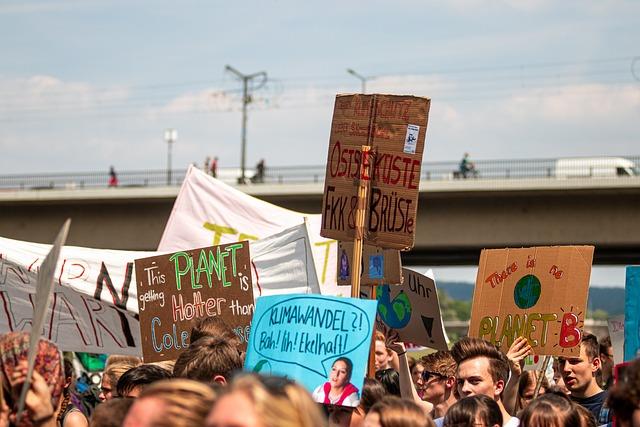
As climate diplomacy increasingly moves from rhetoric to implementation,London Climate Action Week has emerged as one of the world’s key moments for turning ideas into actionable policy. Against this backdrop,International IDEA is putting a spotlight on a question that cuts to the heart of democratic governance in a warming world: how can today’s institutions protect the rights and interests of people who are not yet born?
The event “Institutions for Future Generations,” held under the banner of London Climate Action Week,brings together policymakers,legal experts,academics and civil society actors to explore how constitutions,parliaments,courts and oversight bodies can be redesigned-or newly created-to safeguard the long-term public interest. From climate litigation and youth councils to ombudspersons for future generations,the discussion reflects a growing recognition that short electoral cycles and political incentives are poorly aligned with the timescales of the climate crisis.
By examining emerging models from around the world, International IDEA aims to move the debate beyond abstract commitments to intergenerational equity and towards concrete institutional reforms.In doing so, it situates climate action firmly within the evolution of democracy itself: a test of whether political systems can adapt fast enough to meet the demands of a hotter, more uncertain century.
Putting future generations at the heart of climate governance
As climate breakdown accelerates, a growing number of cities and states are beginning to hard‑wire the interests of children and those yet unborn into the rules that shape public decisions. In London and beyond, this shift is visible in emerging legal safeguards, new independent watchdogs and innovative democratic forums. Instead of treating long‑term thinking as an optional extra, these approaches embed it in how budgets are drafted, infrastructure is approved and natural resources are managed. Around the world, forward‑looking institutions are experimenting with tools such as intergenerational impact assessments, youth climate assemblies and well‑being budgets to ensure that short electoral cycles no longer trump planetary limits.
- Independent guardians mandated to challenge policies that lock in high emissions.
- Constitutional clauses that protect environmental rights of people not yet born.
- Long‑term scorecards attached to legislation, highlighting climate and equity trade‑offs.
- Participatory mechanisms giving young people structured influence over climate plans.
| Tool | Main Purpose | Time Horizon |
|---|---|---|
| Future Generations Commissioner | Scrutinise policy for long‑term risks | 25+ years |
| Climate Citizens’ Assembly | Deliberate and advise on tough trade‑offs | 5-15 years |
| Well‑being Budget | Align spending with social and ecological goals | 10-30 years |
How democratic institutions can safeguard long term climate commitments
Constitutions, parliaments and independent oversight bodies can hard-wire climate ambition beyond the rise and fall of electoral cycles. By embedding net-zero targets, carbon budgets and adaptation duties in constitutional or framework legislation, governments transform political promises into binding obligations that survive cabinet reshuffles and shifting public moods.Dedicated climate committees and future generations’ commissioners,when endowed with investigative powers and access to data,can publicly scrutinise whether current policies are compatible with temperature goals,forcing leaders to justify delays or backsliding. In many countries, administrative courts now serve as arenas where citizens and civil society challenge inadequate climate action, turning long-term commitments into enforceable rights rather than aspirational slogans.
Resilient democracies also diversify who gets a say over the long horizon, expanding participation beyond the usual electoral calendar. Institutional innovations such as citizens’ assemblies and youth advisory councils help anchor climate pathways in broad-based consent, which in turn makes abrupt policy reversals more costly.Key design features include:
- Multi-party climate pacts that lock in cross-ideological support for transition milestones.
- Independent fiscal councils assessing the long-term budgetary impact of climate inaction.
- Mandatory impact assessments that measure how new laws affect both emissions and intergenerational equity.
| Institution | Main Role | Long-term Effect |
|---|---|---|
| Parliamentary Climate Committee | Oversight of targets and budgets | Reduces policy U-turns |
| Future Generations Ombudsperson | Reviews laws for intergenerational impact | Elevates youth and unborn interests |
| Constitutional Court | Judges climate rights cases | Enforces enterprising precedents |
Lessons from London Climate Action Week for strengthening global accountability
Discussions in London underscored that accountability for climate promises can no longer rely solely on voluntary reporting or sporadic diplomatic pressure. Participants called for harder links between climate goals and democratic oversight, from parliamentary scrutiny of national contributions to citizen assemblies that can question inconsistencies between pledges and budgets. The most compelling interventions stressed that accountability must be multi-level and inclusive, ensuring that younger and marginalized voices can interrogate both government and corporate claims.Concrete ideas ranged from future-focused impact assessments on every major public investment to embedding youth review mechanisms in national climate councils.
- Independent watchdogs tracking gaps between targets and delivery
- Future generations commissioners empowered to challenge short-term policies
- Open climate data portals enabling media and citizens to verify claims
- Cross-border peer reviews of national climate policies
| Tool | Who It Serves | Accountability Gain |
|---|---|---|
| Climate scorecards | Parliaments | Faster oversight of lagging sectors |
| Youth climate panels | Future voters | Direct input into long-term strategies |
| Global disclosure standards | Investors | Clearer signals on transition risks |
Another key message was that transnational coordination is now part of domestic accountability. As climate risks cascade across borders, so must mechanisms to track who is delivering on finance, adaptation and loss-and-damage commitments. London conversations highlighted how aligning national accountability systems with international review processes could reduce duplication and close escape routes for inaction. This includes synchronizing parliamentary review cycles with UNFCCC stocktakes, embedding shared benchmarks into regional climate clubs and using cross-country investigative journalism networks to follow the money behind climate finance pledges.
Policy recommendations to embed intergenerational justice in climate decision making
To ensure that today’s choices do not silently mortgage tomorrow, governments can hardwire long-term thinking into everyday climate governance. This means giving independent “future councils” the mandate to review major climate-related laws, requiring parliaments to publish intergenerational impact statements alongside budget and infrastructure bills, and building in legal triggers that automatically tighten emissions caps when science-based thresholds are approached. Embedding youth and marginalized communities in these processes is crucial: minimum quotas for under‑35s on advisory bodies, permanent youth climate panels linked to city councils, and citizen assemblies that reflect generational diversity help keep policy grounded in lived experience rather than short political cycles.
- Constitutional and legal safeguards that recognize the rights of future generations to a stable climate.
- Independent oversight bodies with access to data, budget and the power to issue binding recommendations.
- Mandatory long-term climate tests for major investments, including stress tests up to 2100.
- Participatory mechanisms such as youth assemblies, digital consultations and school-to-parliament dialogues.
- Clear monitoring dashboards that track whether current trajectories protect those yet unborn.
| Tool | Main Purpose | Time Horizon |
|---|---|---|
| Future Generations Ombudsperson | Review and challenge harmful climate policies | 20-50 years |
| Climate Budget Tagging | Align public spending with net-zero pathways | 10-30 years |
| Intergenerational Impact Statement | Reveal long-term winners and losers | 30-80 years |
| Citizens’ Climate Assembly | Co-design fair transition policies | Immediate to long term |
Wrapping Up
As London Climate Action Week draws to a close, the conversation around institutions for future generations is only just beginning. The International IDEA-led discussions have made one point unmistakably clear: safeguarding the long term is no longer a peripheral concern, but a democratic imperative.
From proposals for future generations commissioners to climate-proof constitutions and more participatory policymaking, the ideas shared this week underscore a shift from ad hoc climate pledges to structural guarantees. Yet the gap between ambition and action remains wide. Translating these frameworks into binding commitments, funded mandates and enforceable oversight will determine whether they amount to more than well-crafted blueprints.
What emerges from this year’s debate is a growing recognition that climate policy is, at its core, about how we share power and duty across time. As governments prepare for the next round of global climate negotiations,the question is no longer whether institutions must adapt,but how fast,and how far,they are willing to go to represent those who are not yet at the table.
London Climate Action Week has offered a glimpse of what that future could look like. The test will be whether the momentum generated here pushes parliaments, courts and electoral systems to redesign themselves not just for today’s voters, but for generations who cannot yet cast a ballot-and who will live longest with the consequences of decisions made now.