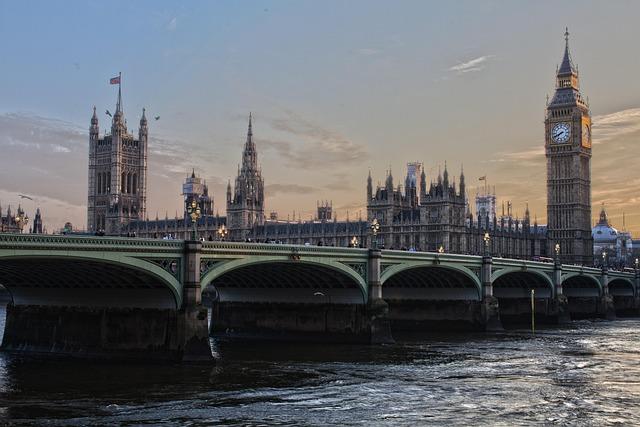
As voters across England’s major cities head to the polls in 2026, the stakes will be far higher than the usual mid-cycle test of national mood.These local elections have the potential to redraw the political map of urban England, reshaping who runs its largest city halls, how power is distributed between Westminster and the regions, and what priorities dominate the agenda in the decade ahead. From housing and transport to skills, policing and productivity, decisions taken in council chambers and mayoral offices will play a critical role in determining whether England’s cities can drive national growth and tackle deep-rooted inequalities. This article, drawing on new analysis from Center for Cities, explores how shifting political allegiances, newly empowered mayors and evolving urban economies are converging to make the 2026 local elections a pivotal moment for the future of England’s city regions.
Urban battlegrounds and shifting loyalties in Englands core cities
From Birmingham’s ring road estates to the Victorian terraces of Leeds and Liverpool, England’s largest urban centres are no longer the safe strongholds they once appeared to be.An electorate shaped by soaring rents, stagnant wages and fragmented local identities is forcing parties to compete street by street rather than ward by ward.Traditional class-based voting is giving way to a more granular politics of place, in which a graduate renter in a converted mill loft and a long‑term social tenant around the corner can now choose different parties for sharply different reasons. This intensifying competition is visible in the rise of localist blocs, independent slates and targeted campaigns that speak directly to neighbourhood concerns over planning, public transport and policing.
Parties that succeed in these cities are those able to build flexible coalitions across demographic fault lines while responding to hyper-local grievances. In practice, this means stitching together support from:
- Young private renters demanding stability, better standards and a pipeline of new homes.
- Established working-class communities anxious about crime, service cuts and being priced out.
- Ethnically diverse neighbourhoods where turnout is highly sensitive to national and international issues.
- Inner‑city professionals prioritising climate action,active travel and cultural amenities.
| Core City | Key Contest | Volatile Voters |
|---|---|---|
| Manchester | Inner‑ring wards | Young renters, students |
| Birmingham | Suburban estates | Multi‑ethnic working class |
| Leeds | City‑centre fringe | Graduates, new arrivals |
| Liverpool | Regenerating docks | Low‑turnout locals |
Why some city economies deliver votes and others drive discontent
Across urban England, similar skylines mask very different economic realities, and voters are responding to those contrasts at the ballot box. In places where growth has translated into visible improvements in daily life – better buses, bustling high streets, new apprenticeships and cleaner public spaces – incumbents tend to benefit from a sense of shared progress. But in cities where prosperity feels concentrated in a few postcodes, residents are more likely to see cranes and coffee shops as symbols of exclusion rather than renewal, amplifying distrust in local leaders. The politics of 2026 will hinge on whether people feel they are participants in, or spectators of, the economic story unfolding around them.
Several local ingredients shape whether economic change soothes or inflames public mood:
- Quality of work: Growth built on insecure,low-paid jobs rarely wins lasting loyalty.
- Cost of living: Rising wages mean little if rents, transport and childcare run ahead.
- Connectivity: Reliable buses, trams and trains knit labor markets together and spread opportunity.
- Visible fairness: Investment that only appears in city centres sharpens the sense of being left behind.
| City type | Economic signal | Likely political effect |
|---|---|---|
| High-growth, high-cost core | Plenty of jobs, rising housing stress | Pressure for change on planning and rents |
| Stagnating post-industrial | Weak job creation, hollowed-out centre | Anti-incumbent mood, protest voting |
| Balanced mid-sized | Moderate growth, visible upgrades | Reward for steady, competent stewardship |
Targeted policy priorities for parties seeking to win and retain urban seats
Parties that want to dominate England’s city wards in 2026 will need a laser focus on the everyday frictions of urban life, backed by credible delivery plans rather than abstract promises. Voters in dense urban areas are increasingly transactional: they expect reliable transport, safe and clean streets, and visible investment in local centres. This means putting forward costed proposals for integrated bus and tram services, repairing the urban road network, and reclaiming high streets from long-term vacancy. It also means owning tough choices on planning reform so that new housing, workspace and infrastructure can be approved faster, in return for clear guarantees on design quality, green space and community amenities.
- Unlock brownfield land with streamlined planning decisions and clear design codes.
- Guarantee frequent, affordable public transport linking outer estates to job-rich cores.
- Rebalance policing and prevention to tackle anti-social behavior and visible crime.
- Back city-centre business with targeted rates relief and late-night economy strategies.
- Invest in skills through partnerships with colleges, universities and major employers.
| Urban Priority | Winning Message |
|---|---|
| Transport | “Four buses an hour you can actually rely on.” |
| Housing | “New homes in your city, not on your green belt.” |
| High streets | “No dark shopfronts: fill empty units within 12 months.” |
| Safety | “More visible officers on your route home.” |
| Cleanliness | “Litter-free main roads within one electoral term.” |
From town halls to Westminster recalibrating national strategy around city votes
City results in 2026 will not just color in the electoral map; they will reset the assumptions guiding national campaigns. Parties that once treated urban contests as a sideshow to the general election are now building strategies that start with the metro mayor, the city council chamber and the neighbourhood forum. This means more resources for local data teams, more tailored messaging for inner-city renters and urban graduates, and more influence for city leaders in national policy discussions. In effect, the route to Downing Street is being recalculated to run through marginal wards in Manchester, outer-borough estates in London and commuter belts around Birmingham.
- Campaign resources are being shifted from safe shire seats to volatile urban wards.
- Policy pledges on housing, transport and crime are being stress-tested against city voter priorities first.
- Candidate selection is tilting towards figures with visible records in local government and civic activism.
- Party messaging is fragmenting, with separate scripts for core cities, suburbs and satellite towns.
| City bloc | Voter priority | National pivot |
|---|---|---|
| Core cities | Affordable homes | Planning and rental reform |
| Urban suburbs | Transport & congestion | Infrastructure and devolution deals |
| Post-industrial towns | Good jobs | Green industry and skills policy |
This rebalancing is already reshaping how Westminster talks about the economy and public services. Senior frontbenchers now time key announcements around metro mayoral summits; fiscal statements are evaluated on what they deliver for city-region growth as much as for national aggregates. More quietly,party HQs are revising their ground game playbooks to embed permanent urban operations rather than short election spikes. As the 2026 local contests crystallise new urban coalitions, national leaders will be pressed to hardwire them into their long-term strategies on taxation, investment and constitutional reform, turning city votes from a barometer into the main lever of political change.
Key Takeaways
Taken together, these results do more than shuffle seats on councils; they hint at a deeper reordering of political loyalties in England’s cities. As urban voters respond to the pressures of high housing costs, creaking transport systems and stagnant local economies, the traditional party map is being redrawn ward by ward.
What happens next will depend on whether national and local leaders can convert this electoral volatility into a mandate for serious urban reform. If they do, the 2026 local elections may come to be seen not just as a protest vote or a mid‑term barometer, but as the moment when England’s cities forced their way to the centre of the political agenda. If they do not, the gap between what urban areas need and what politics delivers will only widen – and the map will continue to shift beneath their feet.