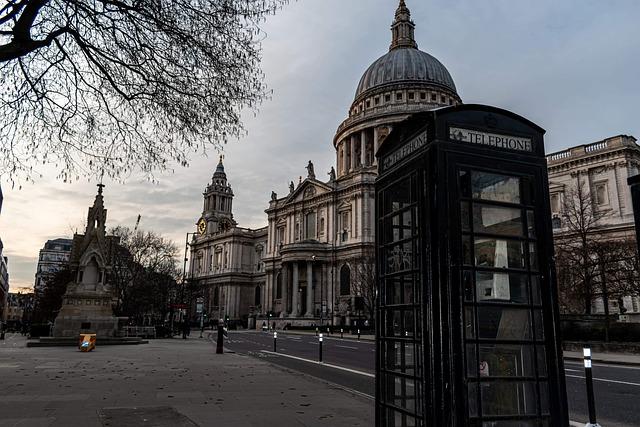
As London braces for another season of rising temperatures, City Hall is racing to prepare a capital not built for heat. The “Heat Ready London” initiative, led by the Mayor’s office, aims to confront a growing climate reality: dangerous heatwaves are no longer rare anomalies, but predictable features of the city’s summer. From stifling Underground journeys to overheated homes and strained hospitals, the 2022 and 2023 heat spikes exposed how vulnerable London’s people and infrastructure have become.Now, London’s leaders are seeking to move from crisis response to long-term resilience.Heat Ready London brings together public health experts, urban planners, local councils and community groups to rethink how the city cools itself-physically, socially and economically. At its core lies a simple but urgent question: in an era of escalating climate risk, can one of Europe’s oldest and densest cities adapt fast enough to protect its most exposed residents?
London’s plan to keep residents safe as summers get hotter
City Hall is expanding a network of cool refuges across boroughs, from shaded pocket parks to air‑conditioned community hubs that open during heat alerts. Working with the NHS, Transport for London and housing providers, the city is rolling out targeted alerts to the most at‑risk residents, including older Londoners, people with long‑term illnesses and those living in overcrowded homes. Bus stops, schools and estate courtyards are being retrofitted with tree cover, reflective surfaces and drinking water points to counter the urban heat island effect, while building regulations encourage cooler homes through better insulation and ventilation rather than energy‑hungry air conditioning.
- Targeted heat-health alerts sent via GPs, councils and community groups
- Cooling infrastructure in streets, estates and public transport interchanges
- Support for vulnerable households with welfare checks and access to cool spaces
- Guidance for employers on safe working conditions during heatwaves
| Measure | Who it Helps |
|---|---|
| Shaded school playgrounds | Children and staff |
| Extended library hours | Residents without cool homes |
| Heat‑safe travel plans | Commuters and key workers |
How Heat Ready London will protect vulnerable communities and essential services
As summer temperatures rise, the program prioritises those most at risk, ensuring the city’s support reaches them before the heat does. Local authorities, the NHS and community organisations will coordinate targeted interventions for older residents, people with chronic health conditions, rough sleepers and low-income households living in poorly insulated homes. This will include door-to-door welfare checks,early health alerts via GPs and pharmacies,and cool spaces in libraries,community centres and faith venues where residents can rest,rehydrate and access advice. Londoners will also see tailored public information campaigns in multiple languages, delivered through trusted neighbourhood networks so that vital guidance reaches those who are often digitally excluded.
- Proactive health monitoring in high‑risk neighbourhoods
- Heat-safe housing guidance for renters and landlords
- Street-level cooling through shade,fountains and tree cover
- 24/7 helplines for urgent heat-related assistance
| Service Type | Heat Resilience Measures |
|---|---|
| Hospitals & Clinics | Backup cooling,surge plans,staff heat training |
| Transport Network | Shaded stops,water points,timetable adjustments |
| Care Homes | Cooling rooms,hydration schedules,emergency drills |
| Schools & Nurseries | Revised playtimes,indoor spaces,parent alerts |
Behind the scenes,critical infrastructure operators are integrating heatwave scenarios into their resilience planning. Energy providers are reinforcing grids to handle air-conditioning surges, water companies are preparing for higher demand, and emergency services are aligning response protocols to avoid being overwhelmed on the hottest days. City Hall is also mapping where essential services intersect with at‑risk populations, so that cooling investments, backup power and staff support are directed where failures would be most damaging. By combining neighbourhood-level care with system-wide planning, the initiative aims to keep London running safely-even when the temperature does not.
Designing cooler streets and greener neighbourhoods through urban planning
As summers grow hotter, the city’s blueprint becomes a frontline defence against heat. Planners are rethinking how streets are shaped, surfaced and shaded to create cool corridors that protect the most vulnerable residents. Narrowed carriageways, slower traffic and reclaimed kerbside space allow room for trees, rain gardens and pocket parks that interrupt heat-trapping asphalt. Where new developments rise,planning conditions increasingly require high-albedo materials,green roofs and shaded courtyards,transforming once-bleak blocks into breathable,climate-aware neighbourhoods. These interventions are no longer considered aesthetic extras but critical infrastructure for public health.
- Street trees and green verges to shade pavements and bus stops
- Permeable surfaces that cool through evaporation rather of storing heat
- Pocket parks and parklets in former parking bays for local respite
- Cool roofs and facades specified in planning guidance for new builds
- Water features and misters in busy civic spaces during extreme heat
| Urban Feature | Main Cooling Benefit | Typical Location |
|---|---|---|
| Tree-lined boulevards | Shades pedestrians and road surface | High streets, main roads |
| Green roofs | Reduces building heat gain | New housing, civic buildings |
| Rain gardens | Cools air and manages runoff | Junctions, school fronts |
| Cooling courtyards | Quiet refuge in heatwaves | Housing estates, offices |
Practical steps Londoners can take now to prepare for extreme heat
As London’s summers trend hotter, preparation starts at home. Begin by creating a cool room – ideally a north-facing space where you can retreat during peak heat. Use blackout curtains, reflective window film or even emergency solutions like foil-backed insulation to stop solar gain, and position fans to blow air out of the window in the evening and early morning, then close windows and blinds once the outdoor temperature rises. Simple changes to daily routines also help: shift exercise to cooler hours, unplug unnecessary appliances that generate heat, and store jugs of tap water in the fridge so cool hydration is always within reach. For those in shared or rented housing, agree on a heat plan with flatmates or neighbours so vulnerable residents are checked on during heat alerts.
- Stay informed via Met Office heat‑health alerts and local authority updates.
- Dress for the heat in light-coloured, loose clothing and a brimmed hat outdoors.
- Carry water and refill at London’s public fountains or participating cafés.
- Use green routes-parks, tree‑lined streets and riverside paths-to stay cooler when travelling.
- Prepare medicines by storing them correctly and renewing prescriptions early before heatwaves.
| Time of Day | Smart Move | Why It Matters |
|---|---|---|
| Early Morning | Open windows, ventilate | Traps cool air for later |
| Midday | Close blinds, slow down | Reduces indoor heat build‑up |
| Evening | Check on neighbours | Protects isolated Londoners |
In Summary
As London braces for more frequent and intense heatwaves, City Hall’s Heat Ready London programme is emerging as a test of how quickly a global city can adapt to a changing climate. Its success will not be measured only in policy documents or pilot projects, but in cooler homes, safer streets and reduced pressure on hospitals during the hottest days of the year.
What happens next will depend on sustained political will, stable funding and the ability of local authorities, health services, developers and communities to work together at pace. The tools are beginning to take shape: clearer guidance for planners, targeted support for vulnerable residents and data-driven early warning systems.
Whether London can turn these foundations into a complete shield against extreme heat remains an open question. But as the city grows warmer, the cost of inaction is increasingly clear – and Heat Ready London is, for now, one of the capital’s most concrete attempts to stay ahead of the rising temperature curve.