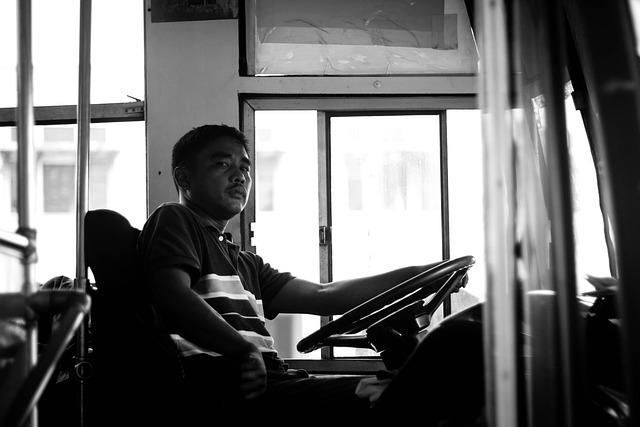
Passengers across North London face the prospect of major disruption as hundreds of Arriva bus drivers prepare to vote on strike action over what they describe as “intolerable” heat in their cabs. Unite the Union has launched a formal ballot among its members, arguing that drivers are being forced to work in unsafe temperatures during hot weather, with insufficient ventilation and ineffective cooling systems on many vehicles. If approved, the strikes could hit some of the capital’s busiest routes, raising fresh questions over working conditions in London’s public transport network and the responsibilities of private operators to protect staff welfare in extreme weather.
Escalating tensions as North London Arriva bus drivers ballot for strike action over unsafe heat
Unite representatives say frustration has been building for months as drivers report sweltering temperatures in cabs, broken or ineffective air conditioning, and management’s alleged failure to act on repeated health and safety complaints. Many describe being forced to operate services in “greenhouse conditions”, with heat radiating through large glass windscreens and minimal ventilation, increasing the risk of fatigue, loss of concentration and, ultimately, accidents. The ballot is seen as a last resort after internal grievance procedures, safety reports and informal approaches to Arriva management were, according to workers, met with delays, denials or short-term fixes that did little to address the underlying issues.
The dispute has crystallised around a series of core demands aimed at reducing what drivers call “unsafe heat exposure” and improving basic welfare on the job. Among the key concerns are:
- Cab temperatures: Guaranteed maximum heat thresholds with automatic removal of vehicles from service when limits are breached.
- Maintenance failures: Rapid repair protocols for air conditioning and window mechanisms, with clear timelines.
- Break facilities: Access to shaded rest areas,cold drinking water and proper welfare rooms at termini.
- Protective equipment: Provision of breathable uniforms and sun visors as standard.
| Issue | Driver Impact | Union Demand |
|---|---|---|
| Overheated cabs | Fatigue, reduced alertness | Enforceable temperature limits |
| Faulty A/C | Prolonged heat exposure | Priority repair schedules |
| Poor rest areas | Inadequate recovery time | Upgraded welfare facilities |
Health and safety in the spotlight examining extreme cabin temperatures and legal obligations for employers
Drivers describe buses turning into “mobile ovens”, with cabs routinely exceeding safe temperature thresholds during peak summer weeks. While UK law does not currently set a specific maximum workplace temperature, employers are still bound by the Health and Safety at Work etc. Act 1974 and associated regulations to ensure conditions are not harmful or intolerable. For bus operators, this means more than simply opening a window; it requires a systematic assessment of thermal risks, especially when drivers are trapped in sealed cabs surrounded by glass and engine heat. Failing to act where heat is clearly impacting concentration, reaction times and overall wellbeing can expose companies to regulatory scrutiny, enforcement notices and reputational damage, particularly when unions begin to collect evidence of prolonged exposure.
For many drivers, the dispute is about enforceable safeguards rather than comfort. Unite representatives argue that the operator must adopt a transparent heat-management plan that recognises extreme temperatures as a serious safety risk for both staff and passengers. That typically involves:
- Regular temperature monitoring inside cabs and passenger areas
- Engineering controls such as effective ventilation, reflective film and reliable air-cooling systems
- Clear protocols for removing vehicles from service when thresholds are exceeded
- Worker consultation so drivers can report breaches without fear of reprisal
| Cab Temp | Risk Level | Suggested Employer Action |
|---|---|---|
| Up to 24°C | Low | Routine monitoring |
| 25-30°C | Moderate | Extra breaks, improved airflow |
| Above 30°C | High | Remove bus from service, investigate controls |
Impact on commuters and local services assessing potential disruption to North London transport networks
Bus users across Enfield, Tottenham, Wood Green and surrounding areas face the prospect of longer waits, crowded vehicles and more frequent changes to their usual journeys if industrial action goes ahead. Key commuter routes linking residential suburbs to central London Underground stations and major employment hubs could see reduced frequencies or temporary suspensions during peak hours.This is likely to put extra pressure on the Piccadilly, Victoria and Northern lines, and also on Overground services from stations such as Seven Sisters, Finsbury Park and Wood Green, where passengers may be forced to switch modes at short notice. Local businesses that rely on early-morning and late-night staff,including hospitality,logistics and healthcare,may also experience increased lateness and staffing gaps.
Local councils and transport planners are already modelling contingency measures to keep essential journeys moving. These include:
- Re-routing: Diverting passengers to nearby option bus corridors and rail links.
- Service coordination: Working with TfL to synchronise bus and rail timetables where possible.
- Targeted support: Advising schools, hospitals and care facilities on staff travel options.
| Area | Likely Effect | Suggested Alternative |
|---|---|---|
| Enfield & Palmers Green | Reduced early-morning buses | Overground to Liverpool Street, car share |
| Tottenham & Wood Green | Heavier crowding on key routes | Victoria/Piccadilly lines, cycling schemes |
| Edgware & Barnet | Longer waits at interchange points | Northern line, local rail services |
Paths to resolution recommendations for urgent mitigation measures and long term standards on thermal safety
Union negotiators and safety reps are pressing for a twin‑track approach that tackles today’s soaring depot and cab temperatures while setting enforceable safeguards for the summers to come. In the immediate term, Unite is urging Arriva and Transport for London to deploy rapid mitigation: mobile cooling units at depots, shade canopies at stands, high‑grade cab fans, and mandatory “heat pause” breaks when temperatures climb above agreed trigger points. The union also wants emergency access to cool drinking water on every route, priority vehicle rotation so the hottest buses are taken out of service first, and real‑time heat alerts shared with drivers before they sign on for a duty. These measures, Unite argues, can be introduced within days, not months, if management treats thermal stress with the same urgency as any other safety-critical risk.
- Immediate actions: cooling equipment, shade, water, heat‑pause breaks
- Operational changes: route rotation, shorter stints in non‑air‑conditioned cabs
- Monitoring: onboard temperature logging linked to depot control
- Consultation: joint health and safety committees with driver depiction
| Measure | Timeline | Key Outcome |
|---|---|---|
| Cab cooling upgrades | 0-3 months | Lower heat exposure |
| Thermal safety standard | 3-12 months | Clear legal thresholds |
| Heat‑aware rostering | Ongoing | Fair distribution of hot duties |
Looking beyond this summer, Unite is pushing for a legally underpinned thermal safety code for London’s bus network, tying maximum cab temperatures to statutory rest breaks, route planning and vehicle procurement.That would mean new contracts specifying effective air‑conditioning as standard, heat‑resistant cab design, and automatic duty adjustments when heat indices breach safe levels. The union also wants transparent temperature data to be published, annual “extreme heat” risk assessments across all garages, and mandatory training so managers cannot ignore early signs of heat exhaustion. By embedding these standards into collective agreements and TfL tender documents,Unite is signalling it will judge any settlement not only on pay,but on whether drivers can do their jobs without being pushed past safe thermal limits.
Concluding Remarks
As tensions rise between Arriva and its North London workforce, the coming weeks will prove critical in determining whether commuters face major disruption across the capital’s bus network. The strike ballot is set against a backdrop of intensifying scrutiny over workplace heat and safety standards, with unions arguing that extreme temperatures can no longer be dismissed as a seasonal inconvenience.
Whatever the outcome, the dispute underscores a broader shift in the transport sector: drivers are increasingly unwilling to accept conditions they say compromise both their wellbeing and public safety. If no agreement is reached, Londoners may soon find themselves at the sharp end of a row that has been simmering behind the wheel for years.