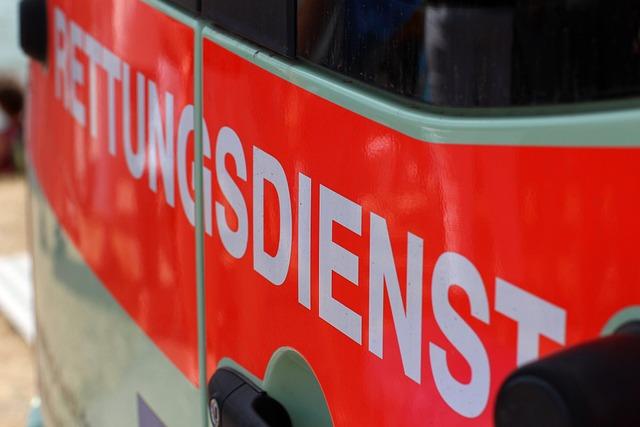
Two men have been released on bail after being arrested in connection with a suspected arson attack on a Jewish-run ambulance service in north London, an incident that has heightened tensions amid growing concern over antisemitic offences in the capital.The overnight blaze, which damaged vehicles and equipment used to provide emergency medical support to the local community, is being investigated by counter-terrorism officers and specialist hate crime units.While police have not yet confirmed a motive, Jewish leaders and community security groups say the attack has deepened fears among residents already on edge over a rise in targeted threats and vandalism. This article examines what is known so far about the incident,the police inquiry,and how the case fits into a broader pattern of community safety concerns in London.
Police investigation and community fears after suspected arson on Jewish ambulance service in London
The Metropolitan Police have confirmed that counter-terrorism officers are supporting local detectives as they examine forensic evidence,CCTV footage and witness statements linked to the blaze at the volunteer-run emergency service. Officers are working to establish whether the incident forms part of a wider pattern of hate-related offences, while patrols have been stepped up around synagogues, community centres and other visibly Jewish organisations. Investigators are also liaising with specialist hate crime units and monitoring online activity for any signs of coordination or incitement connected to the fire.
The attack has deepened anxiety among Jewish residents and volunteers, who say the destruction of a vehicle designed to save lives feels like a symbolic assault on their sense of safety and belonging. Local leaders report an increase in calls from worried families, particularly older residents and parents who rely on the service for rapid, culturally aware medical support. Community groups have outlined their immediate priorities:
- Reassurance: Regular briefings from police and council officials to address rumours and misinformation.
- Protection: Visible security at religious and medical sites, including extra patrols during key community events.
- Recovery: Rapid replacement of damaged equipment so emergency cover is not compromised.
- Solidarity: Joint statements from faith and civic leaders condemning the attack and supporting volunteers.
| Key Concern | Community Response |
|---|---|
| Safety of volunteers | Escort and buddy systems on night shifts |
| Service disruption | Temporary vehicle loans from partner charities |
| Public confidence | Open days and briefings with residents |
Examining motives hate crime concerns and the wider rise in antisemitic incidents
Community leaders and investigators are grappling with whether the alleged arson was an isolated act of vandalism or part of a pattern of ideologically driven hostility. Police are examining potential motives, weighing personal grievance against possible extremist influence, as Jewish organisations warn that even a single attack on a lifesaving service carries a powerful symbolic message. The targeting of an ambulance provider has heightened alarm: rather than focusing on a synagogue or community center, the attackers appear to have chosen an institution associated with care, urgency and vulnerability, amplifying fears that no part of Jewish civic life is off-limits.
This incident comes amid an observable uptick in reports of hostility toward Jewish individuals and institutions, reflected in both official figures and community monitoring. Advocacy groups highlight a climate in which rhetoric online and in public forums can escalate into real-world harm. They point to several worrying tendencies:
- More frequent targeting of visible Jewish sites and services,from schools to volunteer groups.
- Shifts from verbal abuse and graffiti to acts that risk serious physical danger.
- Copycat behavior driven by social media exposure and sensationalised imagery.
| Trend | Community Impact |
|---|---|
| Rising hate incidents | Heightened fear and security costs |
| Targeting of services | Disruption of vital care networks |
| Online radicalisation | Faster spread of hostile narratives |
Security gaps exposed how faith based emergency services are protecting staff and infrastructure
Behind the headlines lies an uncomfortable reality: many community-led ambulance charities, synagogues and faith-based clinics rely on a patchwork of legacy locks, volunteer-run CCTV, and ad‑hoc security drills that were never designed to withstand targeted attacks. The alleged arson attempt has laid bare how quickly a small breach-a side door left unsecured, a blind spot in camera coverage, a lack of night‑time patrols-can escalate into a direct threat to life‑saving operations. In response, Jewish and other religious emergency services are quietly overhauling their risk assessments, consulting with counter‑terror experts and insurers, and reallocating scarce funds toward hardening buildings that were once designed to be as open and welcoming as possible.
These organisations are now pairing spiritual missions with security playbooks, mapping out worst‑case scenarios and codifying how staff and volunteers should react in the first chaotic minutes of an incident.Investment is flowing into access control, resilient communications and staff welfare, with leaders increasingly treating emotional trauma and burnout as security concerns in their own right. The emerging model blends private philanthropy, government grants and community self‑protection into a hybrid safety net.
- Physical safeguards: reinforced doors, alarmed fire exits, shatter‑resistant glazing
- Digital defences: secure dispatch systems, encrypted radios, off‑site data backups
- Human resilience: scenario‑based training, trauma counselling, rapid debrief protocols
- Community links: liaison with local police, neighbouring faith groups, and councils
| Priority Area | Key Action | Impact |
|---|---|---|
| Building Security | Upgrade entry points | Slows hostile access |
| Operations Room | Secure power & comms | Keeps ambulances dispatching |
| Staff Protection | Safety briefings & escorts | Reduces frontline risk |
| Community Perimeter | Shared CCTV & alerts | Spots threats earlier |
Policy lessons and practical steps to strengthen protection for vulnerable community organisations
In the wake of the London incident, policymakers face a stark reminder that small, community-run services often carry national-level security risks without matching protection. Authorities and funders can move beyond ad-hoc responses by creating dedicated safety grants, fast-track access to counter-terror and hate-crime advice, and clear escalation routes when threats emerge. For faith-based and minority-led organisations, this means shifting from a reactive model-calling the police after an attack-to a preventive framework in which risk assessments, security upgrades and crisis protocols are normalised and subsidised, not treated as optional extras.
Community leaders, meanwhile, can act now by revisiting governance structures, documenting threats systematically and building stronger relationships with local officials and neighbouring groups. Practical steps include:
- Formal security audits with law enforcement or trusted external specialists.
- Staff and volunteer training on threat recognition, incident reporting and digital safety.
- Shared security plans with nearby institutions to coordinate CCTV coverage and emergency responses.
- Obvious communication with users and donors to maintain trust after any incident.
| Priority Area | Lead Actor | Immediate Action |
|---|---|---|
| Physical security | Local council | Offer small capital grants for alarms and lighting |
| Intelligence sharing | Police | Set up regular briefings with at-risk groups |
| Resilience planning | Charity boards | Embed security risks into risk registers |
| Public reassurance | Community leaders | Issue joint statements opposing targeted violence |
To Wrap It Up
As the investigation continues,attention now turns to how the justice system and community leaders will respond to an incident that has unsettled many in the capital’s Jewish community. For now,the men remain free on bail while officers pursue further lines of inquiry,combing through evidence to determine whether the attack was an isolated act or part of a broader pattern of hate-motivated offences.
In a city long defined by its diversity, the suspected arson has renewed calls for vigilance and solidarity. Police, politicians and community organisations alike are under pressure not only to bring any perpetrators to justice, but also to reassure those who feel newly vulnerable. The coming weeks will be crucial in clarifying what lay behind the attack-and in testing London’s ability to uphold both security and social cohesion in the face of rising tensions.