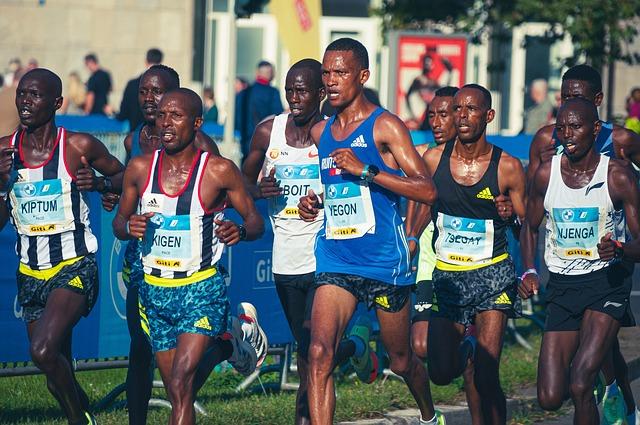
When the starting gun fires on the London Marathon, more than 26 miles of tarmac stand between thousands of runners and the finish line on The Mall. Among them this year is a remarkable crew in trainers: a diverse group of RNLI volunteers, staff and supporters swapping lifeboat kit for race bibs to raise vital funds for the charity that saves lives at sea.
Their stories are as varied as the coastline the RNLI protects. Some have pulled people from freezing water in the dead of night; others have answered the phone to desperate calls for help; a few have their own memories of being rescued. All share one conviction: every mile they run could help ensure the lifeboats launch when they’re needed most.
For many, marathon training has pushed them to their limits. Between night shifts, shout alerts and family life, finding time – and energy – to clock up the miles has been a challenge in itself. Moments of doubt have been common. “I thought we wouldn’t make it,” admits one runner, recalling long, rain-soaked training runs after a day on station.
Yet just as on a shout, they’ve kept going: drawing strength from their crewmates, from the supporters lining the route, and from the knowledge that every donation could mean another life saved.This is the story of the RNLI’s London Marathon runners – what drives them, what nearly stopped them, and why, when the going gets toughest, they refuse to turn back.
Training through tides and traffic How RNLI crews balance marathon prep with lifesaving duty
For volunteer crews, a marathon training plan is less a neat spreadsheet and more a moving tide table. Long runs are plotted around spring tides, crew exercises and pager callouts – which can strike in the middle of a tempo session or just as the alarm goes off for a dawn run. Many runners swap headphones for handheld radios, looping their routes close to the station, knowing that a steady 10K can turn into a sprint to the boathouse at any moment. It’s a dual focus that demands discipline and compromise,but also forges a rare mental toughness: if you can step from a rescue back into your trainers,hitting the pavement with salt still drying on your face,the roar of the marathon crowds feels almost calm.
To make it work, crews rely on quiet acts of coordination and support that rarely make the headlines. Shift swaps, child care, and even shared recovery meals become part of an improvised training ecosystem, with fellow volunteers picking up duties so a teammate can squeeze in crucial miles. Their weekly reality looks less like a sports advert and more like a patchwork of small, practical choices:
- Early alarms to train before day jobs and station duties
- Night runs after exercises and debriefs on the slipway
- Stair sprints in towers and on piers when time is tight
- Strength work built around launching and recovering the boat
| Time | Focus | What Can Interrupt It? |
|---|---|---|
| 05:30 | Interval run | Early-morning shout |
| 12:45 | Lunch-break miles | Equipment checks |
| 21:00 | Recovery session | Training exercise overrun |
Moments of doubt on the course What split times reveal about resilience under pressure
On paper, the RNLI runners’ split times look like cold numbers – kilometres ticked off, minutes logged, an algorithm’s view of human effort. On the ground, each dip and surge maps to a moment when resolve was tested: the sudden headwind on Embankment, the stitch that arrived out of nowhere at Canary Wharf, the crowd’s roar carrying them over Tower Bridge just as their pace threatened to slide. Coaches would later point to those jagged lines on tracking apps as evidence of something more than fitness: the ability to regroup after a bad mile, to breathe through panic, to adjust stride instead of surrendering to it.
In those stretches where the pace slowed, many RNLI runners say the life-or-death decisions they witness at sea came flooding back. Compared with standing in a rescue boat in the dark, watching a clock tick down while someone fights for breath, another weary mile in London felt survivable – and their splits began to reflect that shift in mindset. The numbers show where they drew on that experience: a late negative split after picturing flares cutting through a storm, a steadied cadence when they thought of families waiting on a shoreline.Behind every data point was a silent checklist that mirrored their rescue training:
- Pause – acknowledge the fear, don’t let it dictate the next step.
- Assess – adjust pace, breathing, and expectations in real time.
- Commit – focus on the next landmark, not the finish line.
| Race Stage | Average Pace | Resilience Trigger |
|---|---|---|
| Miles 1-10 | Comfortable | Excitement, team energy |
| Miles 11-20 | Uneven | Doubt, crowds, mental reset |
| Miles 21-26.2 | Strong finish | RNLI stories, charity purpose |
From river rescues to road miles Inside the support networks keeping volunteers running
On the Thames, teamwork is measured in seconds and shouted instructions; on marathon day, it’s counted in training logs, WhatsApp pings and carefully packed kit bags. The same people who double-check throwlines and lifejackets are the ones timing intervals,booking sports massages and making sure there’s pasta in the cupboard.Partners, crewmates and shore-based volunteers quietly build a safety net around each runner so they can focus on putting one foot in front of the other. It’s a web of support that stretches from station galley tables to crowded pavements in central London, where familiar faces stand ready with spare gels and a shouted reminder of why they’re running.
- Crew swaps to cover late-night training runs
- Family logistics to juggle childcare and shift work
- Fundraising teams crafting posts, raffles and events
- On-course spotters at key mile markers with drinks and dry layers
| Support Role | What They Do |
|---|---|
| Crew Mate | Covers calls so training isn’t cut short |
| Shore Crew | Manages fundraising pages and donations |
| Family | Plans meals and rest days around shifts |
| Station Friends | Turn up on race day with banners and RNLI flags |
What binds them all is a quiet understanding: the miles on the road are just another extension of the hours on the water. Training plans are pinned next to duty rotas, long runs start and finish at lifeboat stations, and race-day tracking apps are monitored as closely as pager alerts.In interviews after the finish line, many runners talk less about their own pain and relief, and more about the people who got them there – the colleague who sneaked energy bars into a kit bag, the mechanic who taped a good-luck message to a locker, the partner who waited in the rain at Mile 22. Behind every finisher’s medal is a whole station’s worth of unseen effort,keeping them moving long after the crowds have gone home.
Turning finish line stories into action How readers can safely enjoy the water and back the RNLI year round
Every medal earned on The Mall is a reminder that prevention is as powerful as any rescue.Away from the marathon barriers and charity vests, the simplest choices by the water can be lifesaving: float to live if you get into difficulty, keep off inflatables at the coast, and never underestimate cold water shock – even on warm days. Before your next dip, check local tides and currents, choose lifeguarded beaches where possible, and pack essentials such as a fully charged phone in a waterproof pouch. For paddleboarders and open-water swimmers, a buoyancy aid, bright swim cap and tow float are as vital as your trainers were on race day. These small, consistent habits turn spectators and supporters into an informed safety net around our coasts, rivers and reservoirs.
- Respect the water: learn local risks, rip currents and weather changes.
- Gear up: wear lifejackets or buoyancy aids for boating, kayaking and paddleboarding.
- Stay together: swim with others and tell someone your plans.
- Support year round: give, volunteer, fundraise or share safety advice.
| How to Help | Time Needed | Impact |
|---|---|---|
| Set up a monthly donation | 2 minutes | Keeps crews rescue-ready |
| Host a small fundraiser | One afternoon | Funds training and kit |
| Share safety posts online | Seconds | Reaches at-risk swimmers |
| Join a local RNLI group | Monthly meeting | Strengthens coastal communities |
Closing Remarks
As the roads of London return to their everyday rhythm, what lingers from marathon day isn’t just the miles run, but the reasons behind them. For these RNLI runners, the finish line was never simply the Mall; it was safer shores for strangers they will never meet, lifeboats kept afloat by every pledge and promise.
Their stories – of doubt, determination and deep personal connection to the charity’s work – mirror the very essence of the RNLI itself: ordinary people, doing extraordinary things when it matters most. The aches will fade, the medals will find their place on a hook or in a drawer, but the impact of their efforts will carry far beyond the streets they pounded.
“I thought we wouldn’t make it” has already given way to something far more powerful: we did – and because of that, others will too.